The rapid expansion of commercial and private drone technology has created new security challenges for airports, military bases, and critical national infrastructure. A single unauthorized drone near a runway can disrupt flight operations for hours, costing millions. In 2026, Counter-UAS (C-UAS) technology has developed into a critical safety sector, employing multi-layered detection and mitigation systems to secure sensitive airspaces.
Quick Summary & Direct Answer
Counter-UAS (C-UAS) technology in 2026 integrates RF (radio frequency) detection, radar, and optical cameras to locate rogue drones. Mitigation is achieved through targeted RF jamming, GPS spoofing, and autonomous net-shooting interceptor drones that capture unauthorized UAVs without causing ground hazards.
Advanced Detection: Combining Radar, RF, and Visual Tracking
Rogue drones are difficult to spot due to their small size and quiet electric motors. Advanced C-UAS setups combine three distinct detection layers. Passive RF sensors monitor the airspace for transmission signals matching known drone protocols, while micro-radar systems track the physical presence of low-flying objects. High-definition optical and thermal cameras then lock onto the target to confirm its size and payload.
Mitigation Tech: Jamming, Spoofing, and Net Interceptors
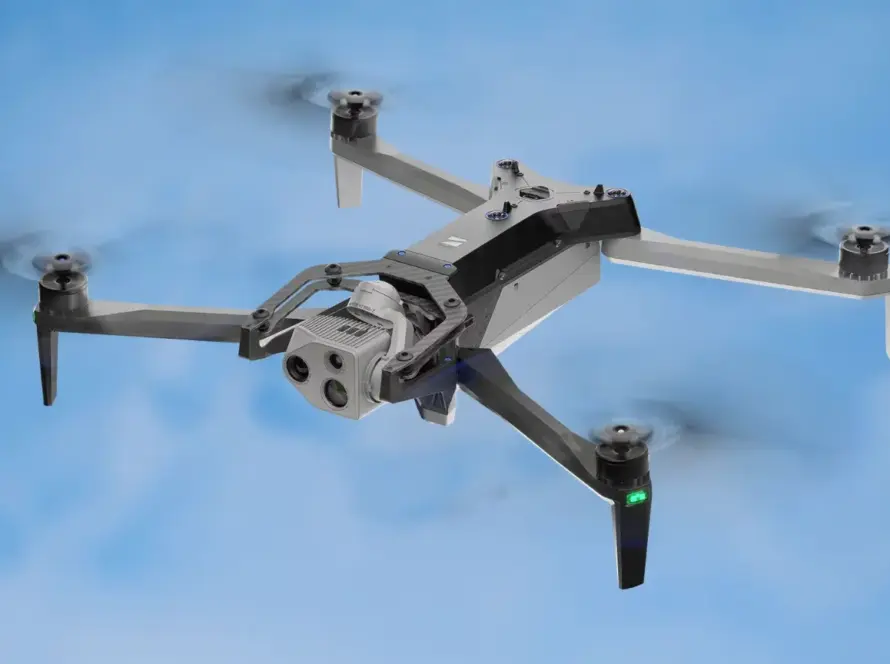
Once a rogue drone is detected, security teams must neutralize it safely. While military systems sometimes use lasers, civil airspaces (like airports) rely on non-destructive mitigation. Targeted RF jamming disrupts the drone’s connection to its controller, triggering an automatic return-to-home sequence. Alternatively, autonomous interceptor drones fly near the target and capture it using pneumatic net guns, preventing it from crashing into buildings.
C-UAS Detection and Mitigation Layer Overview
| Security Layer | Technology Deployed | Primary Protective Role |
|---|---|---|
| Passive RF Scanning | AeroScope / RF spectrum analyzers | Scan for controller signals and drone telemetry links to locate operators |
| Visual Tracking | Thermal PTZ cameras with AI tracking | Visual verification and payload analysis of detected target drones |
| Targeted RF Jamming | Directional jammer guns / dome shields | Disrupt control and GPS signals, forcing target drone to hover or land |
| Physical Capture | Autonomous net-shooting interceptor drones | Safely catch rogue drones in the air and carry them away from crowds |
Safe Operational Compliance with Loyalty Drones
Loyalty Drones operates in complete coordination with Jordan’s civil aviation and security authorities. We utilize registered, compliant UAV hardware and secure the necessary flight permits for all missions, ensuring our B2B commercial operations never interfere with sensitive airspaces or violate airport security zones.
Partner with Loyalty Drones
Execute your commercial drone mapping and filming campaigns with 100% legal compliance. Partner with Loyalty Drones.