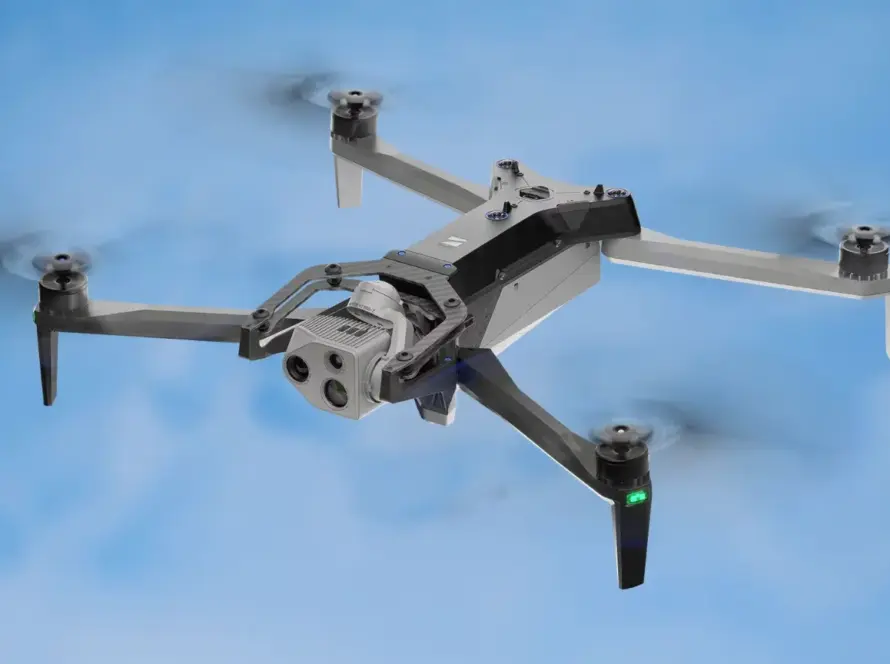
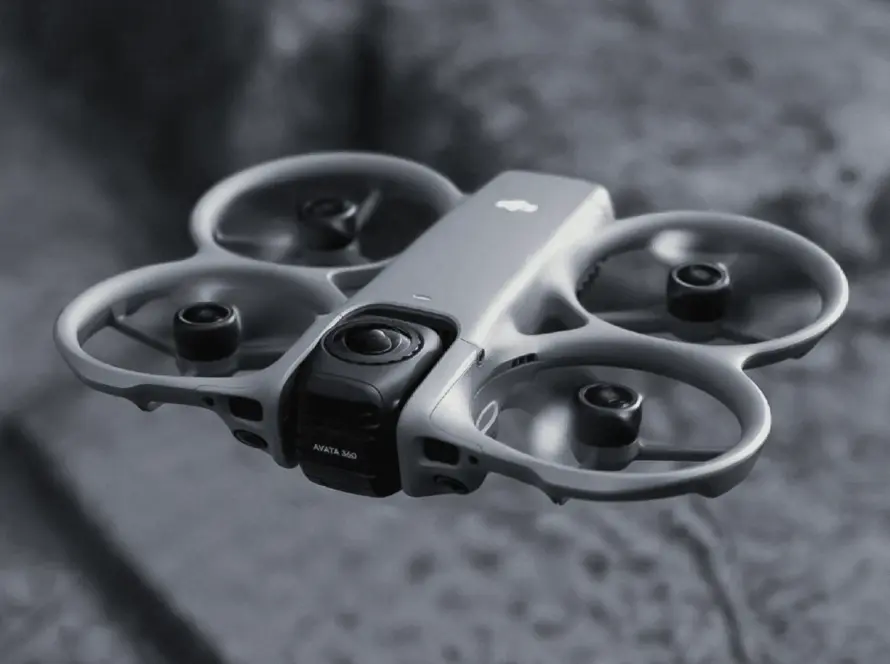
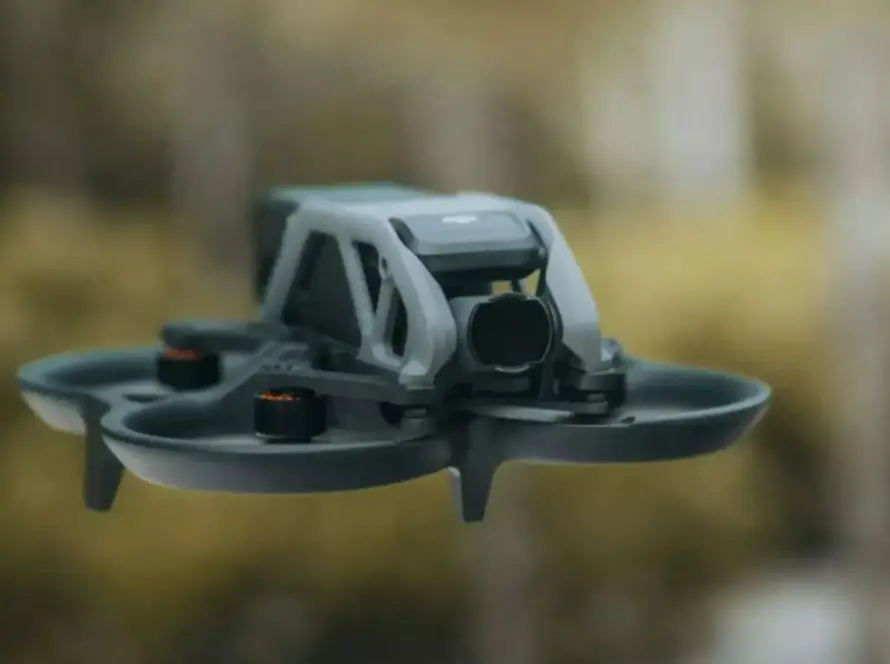
The proliferation of commercial drones has created new security challenges for airports, military bases, government facilities, and critical industrial complexes. Unauthorized drones can be used for corporate espionage, smuggling, or physical disruption. Counter-UAS (Unmanned Aircraft Systems) RF jamming has become a primary defense technology, allowing security forces to neutralize rogue drones by disrupting their control signals and GPS navigation.
Quick Summary & Direct Answer
Counter-UAS RF jamming systems emit targeted radio frequency signals at the same bands used by drones for control and data transmission (typically 2.4 GHz, 5.8 GHz, and GPS frequencies). By overwhelming the drone’s receiver, the jammer forces the drone to land or return to its takeoff point, neutralizing the threat without physical destruction.
The Technical Mechanics of RF Interference and Disruption
RF jamming systems operate by transmitting high-power radio signals that mimic and override the signals sent by the drone’s pilot controller or satellite network. When a directional jammer is pointed at an unauthorized drone, it floods the drone’s antennas with RF noise. This breaks the command-and-control link and interrupts GPS satellite tracking. Deprived of guidance, the drone’s pre-programmed safety protocols trigger, forcing it to perform a controlled vertical descent or fly backward along its GPS path away from the secure facility, mitigating risks.
Types of RF Jamming Hardware: Directional vs. Omnidirectional
Security forces configure RF jammers based on the facility type and threat level. Directional jammers are rifle-style, hand-held devices that allow operators to target a specific drone in their line of sight, preventing interference with other nearby communication networks. Omnidirectional jammers create a dome-shaped protective shield over a fixed facility, blocking all unauthorized drone entry in a 360-degree radius. This system is crucial for constant airfield protection and securing highly sensitive B2B industrial petrochemical or power grid complexes, ensuring comprehensive airspace denial.
Comparing Counter-UAS Jamming Hardware Configurations
| Jammer Type | Deployment Scenario | Signal Interference Range |
|---|---|---|
| Directional RF Gun | Mobile security patrols responding to specific sightings | 1 to 2 kilometers (targeted line-of-sight beam) |
| Fixed Omnidirectional Dome | Continuous protection for airports and power plants | 3 to 5 kilometers (360-degree protective dome) |
| GPS Spoofing Transmitter | Defending military bases against autonomous drones | Varies (replaces true GPS coordinates with false signals) |
Enhancing Drone Safety and Security Compliance in Jordan
Jordan maintains strict airspace regulations managed by the Civil Aviation Regulatory Commission (CARC) and security authorities to ensure public safety. Loyalty Drones operates in full compliance with these local standards, integrating security and counter-UAS awareness into our commercial flight workflows. We assist industrial site operators and security teams in Amman, Zarqa, and Aqaba in understanding drone risks, setting up secure airspace zones, and complying with governmental guidelines for airspace monitoring to prevent unauthorized incursions, minimize security threats, and ensure operational integrity.
Partner with Loyalty Drones
Protect your facility from unauthorized drone activity. Contact the security and aviation experts at Loyalty Drones today to discuss airspace compliance.