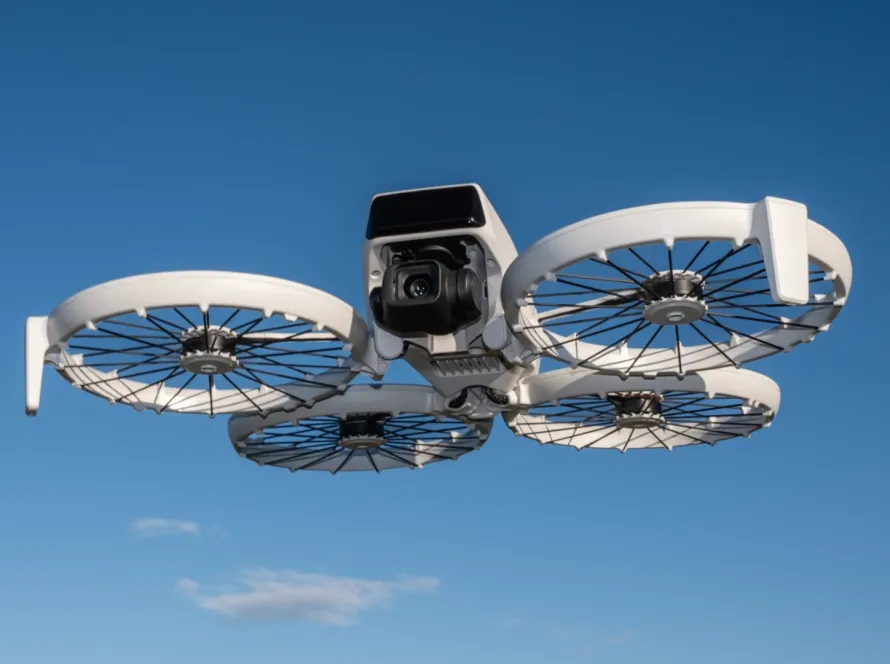
The drone community is buzzing with unprecedented excitement as the DJI Avata 3 drone is coming soon. Based on the latest rumors and leaks, we already have a fairly complete picture of the upcoming next-generation FPV/cinewhoop drone.1 Following the massive success of the DJI Avata 2, which revolutionized the FPV drone market with its immersive flight experience and 4K HDR capabilities, the Avata 3 promises to push the boundaries even further.
According to the latest information we have, the upcoming FPV drone will feature faster, smarter, and more advanced capabilities compared to its predecessor.1 As we dive deep into October 2025’s freshest leaks, exclusive rumors, and anticipated features, this comprehensive guide will reveal everything you need to know about what could be DJI’s most ambitious FPV drone yet.
Breaking News: Latest October 2025 Updates and Release Timeline
November 2025 Launch Window Confirmed
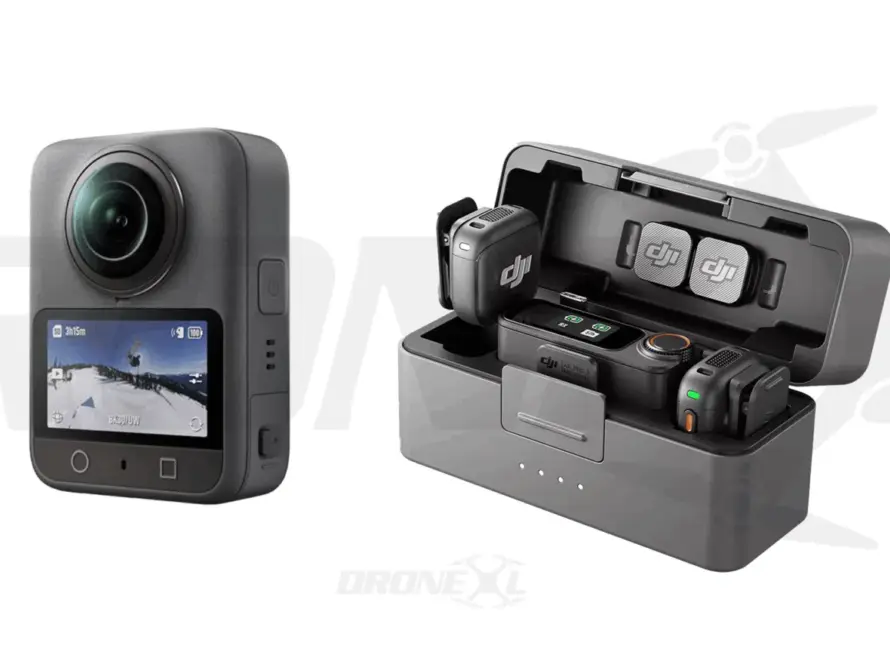
YouTube channels and drone forums like DroneXL and Reddit suggest a summer 2025 reveal was possible but delayed, with a more realistic target of November 2025 to coincide with Black Friday deals.2 This timing appears increasingly likely as Industry sources have revealed an ambitious November 2025 product lineup featuring three significant releases: the DJI Mic 3 Pro, Osmo Mobile 8, and the highly anticipated DJI Neo 2 FPV drone.3
The November timeframe makes strategic sense for several reasons:
- Perfect timing for Black Friday and holiday shopping season
- Allows DJI to capture year-end budgets from professional videographers
- Aligns with DJI’s typical product release patterns
Recent Sightings and Leaked Footage
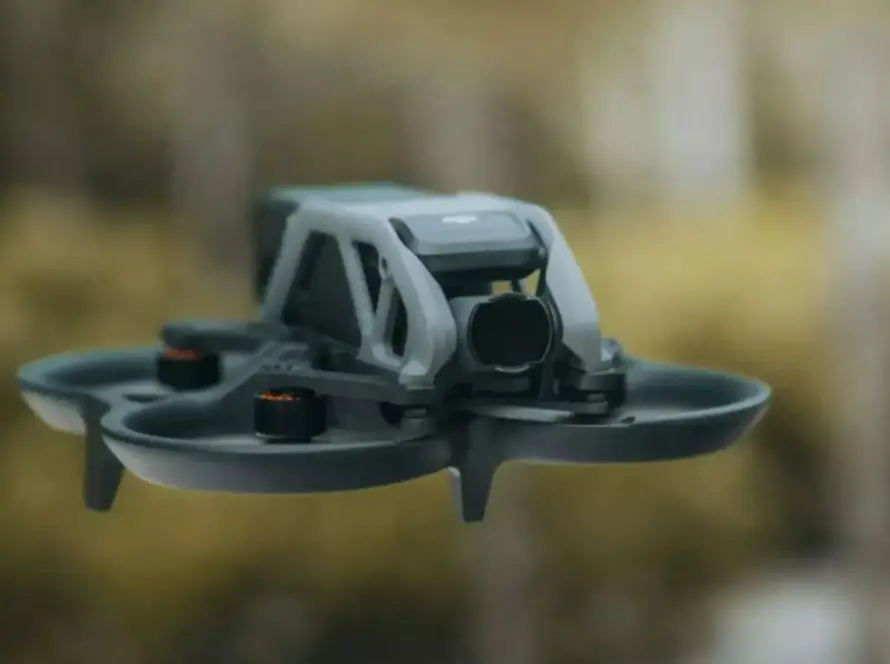
Three unreleased drones have been spotted in the wild: the DJI Mini 5 Pro, the DJI Avata 3 and (apparently overlooked by everyone) the DJI Neo 2.4 These sightings have provided crucial insights into the Avata 3’s design evolution. DJI Avata 3 seen in a video on chinese social media. Compared to the DJI Avata 2, The DJI Avata 3 will have the same form factor as the Avata 2. Camera sensor is improved and larger, gimbal can reach further up, implying the drone can also fly faster. Battery placement has been moved further back, creating more room for the nested camera, making it possible to remove the orange bumpers which the Avata 2 had. Last but not least it appears DJI has finally switched to a 4 blade propeller setup, creating a more powerful and efficient FPV experience.4
Revolutionary Specifications: What Makes the Avata 3 Special
Camera System: Professional-Grade Imaging
The most significant upgrade comes in the camera department:
- Sensor Size: Expected to feature a 1-inch CMOS sensor, capable of recording 4K video at 120 frames per second, enhancing low-light performance and dynamic range.5
- Video Capabilities: 4K at 120fps with 10-bit color, HDR support, and D-Log for professional editing.2
- Field of View: 155°+ ultra-wide angle with a 3-axis gimbal for RockSteady and HorizonSteady stabilization.2
- Low-Light Performance: Improved ISO range up to 12,800, RAW photo support, and low-latency 1080p transmission for goggles.2
Flight Performance: Speed Meets Precision
The Avata 3 takes flight performance to new heights:
- Maximum Speed: Rumored to reach speeds up to 140 km/h, with longer flight times, catering to high-speed FPV flying.5
- Flight Time: 30+ minutes per battery (a bump from the Avata 2’s 23 minutes), thanks to efficient motors and larger cells.2
- Acrobatic Mode: Up to 140 km/h in acrobatic mode, with quicker acceleration for agile maneuvers.2
Safety and Intelligence Features
DJI continues to prioritize safety with advanced features:
- Obstacle Avoidance: Includes omnidirectional obstacle avoidance and an improved Return-to-Home (RTH) function, potentially increasing safety during flights.5
- Transmission System: Enhanced O4 transmission system for higher resolution live feeds and lower latency
- Beginner-Friendly: FPV pilots are particularly excited about leaks pointing to a “beginner mode” with AI-assisted flight paths—a potential game-changer for newcomers to the adrenaline-fueled world of first-person-view drones.6
Design Evolution: Form Meets Function
The Avata 3 maintains the beloved form factor while introducing key improvements:
- Propeller System: 4-blade propeller configuration for improved efficiency and power
- Battery Placement: Repositioned further back for better weight distribution
- Camera Module: Nested design allowing for removal of the orange bumpers found on Avata 2
- Gimbal Range: Extended upward range for capturing more dynamic angles
Pricing Strategy and Market Positioning
Expected Price Range
The price is speculated to range from $1,200 to $1,500, depending on the configuration and included accessories.7 This positions the Avata 3 as a premium FPV drone that offers professional features at a competitive price point.
Bundle Options
- Standard Package: $1,200-1,300 (Drone + Basic Accessories)
- Fly More Combo: $1,400-1,500 (Including extra batteries, ND filters, and carrying case)
- Pro Bundle: Potentially including DJI Goggles 4 and enhanced controllers
Value Proposition
Compared to the Avata 2’s $999 starting price, this is a modest increase for the rumored enhancements.2 The price increase is justified by:
- Significantly improved camera sensor
- Enhanced flight performance and speed
- Advanced safety features
- Longer flight times
- Professional-grade video capabilities
Ecosystem Integration: The Complete FPV Experience
DJI Goggles 4 Compatibility
Compatibility with DJI Goggles 4 and new controller options with better ergonomics, improving user experience.5 The new goggles are expected to offer:
- Higher resolution displays
- Improved field of view
- Lower latency for real-time flying
- Enhanced comfort for extended use
Part of DJI’s 2025 Product Wave
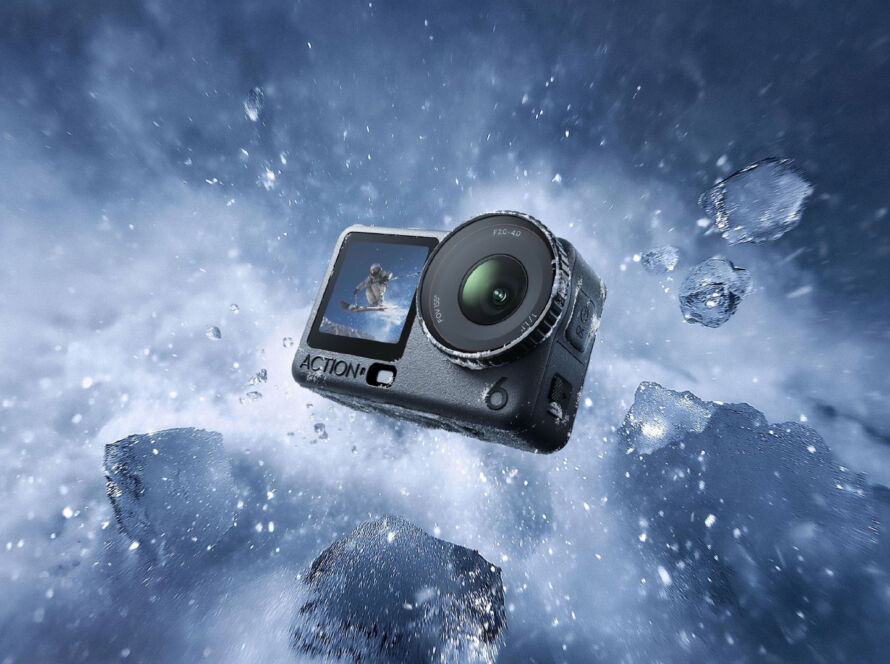
The Avata 3 isn’t coming alone. Leaks tie it to a wave of 2025 DJI releases: DJI Mini 5 Pro: Sub-250g drone with 1-inch sensor and swappable lenses, possibly launching September 2025. DJI Neo 2: Lightweight beginner drone with improved battery and range. Osmo 360 and Action 6: 8K 360° cameras, potentially rivaling Insta360’s Antigravity A1. DJI Mirrorless Camera: Long-rumored entry into pro photography. This lineup shows DJI’s push into advanced aerial and action tech, with the Avata 3 as a flagship FPV offering.2
Competition and Market Analysis
Standing Out in the FPV Market
The Avata 3 faces competition from several fronts:
- Traditional FPV Drones: Custom-built racing drones
- Consumer FPV Options: Smaller, budget-friendly alternatives
- Emerging Competitors: While exciting, the Avata 3 faces hurdles like U.S. drone regulations (e.g., remote ID requirements) and competition from Insta360’s upcoming 8K 360° drone in January 2026.2
Unique Selling Points
What sets the Avata 3 apart:
- Professional camera quality in a compact FPV form factor
- User-friendly interface suitable for beginners and pros
- Integrated safety features unmatched in traditional FPV drones
- DJI ecosystem compatibility for seamless workflow integration
Who Should Buy the DJI Avata 3?
Target Audiences
The DJI Avata 3 is perfect for anyone who loves FPV flying, from beginners to experts. It is designed to be easy to use for newcomers while offering advanced features for experienced pilots. Whether you want to create stunning videos or just fly for fun, this drone is built to handle it.7
Professional Content Creators
- Cinematographers seeking dynamic aerial footage
- Social media influencers creating viral content
- Real estate videographers capturing unique perspectives
FPV Enthusiasts
- Experienced pilots wanting professional features
- Racing drone pilots looking for a camera-focused alternative
- Freestyle flyers seeking reliability and safety
Beginners and Hobbyists
- First-time FPV users benefiting from AI-assisted modes
- Photography enthusiasts expanding into aerial content
- Tech enthusiasts wanting the latest drone technology
Social Media Buzz and Community Reaction
X (Twitter) Activity
An X post from Quadro_News on May 25, 2025, teased “Avata 3, Neo 2, M400, Mic 3, Osmo Nano and more…. The pieces are set. ♟️”, accompanied by a chess pawn image, suggesting a strategic product launch.5 The cryptic messaging has fueled speculation about DJI’s coordinated product strategy.
Another post from DroneXL1 on the same day mentioned “Three unreleased drones spotted in the wild: the DJI Mini 5 Pro, the DJI Avata 3 and DJI Neo 2”, indicating leaks are circulating.5
Reddit Community Discussions
However, skeptics on Reddit warn that some rumors are hype-driven for views, given the Avata 2’s recent release.2 The community remains divided between excitement and skepticism, with many users analyzing leaked images and speculating on features.
Potential Challenges and Considerations
Regulatory Landscape
The Avata 3 launch comes at a complex time:
- U.S. drone regulations requiring Remote ID compliance
- Ongoing scrutiny of DJI products in various markets
- Evolving FPV drone regulations globally
Supply Chain and Availability
Supply chain hiccups or last-minute tweaks could delay timelines.6 Potential buyers should be prepared for:
- Initial stock shortages
- Regional availability differences
- Possible delays in certain markets
Future-Proofing Your Investment
Long-term Value Considerations
The Avata 3 represents a significant investment in FPV technology. Consider:
- Software Support: DJI’s track record of firmware updates
- Accessory Ecosystem: Growing range of compatible accessories
- Resale Value: DJI drones typically maintain value well
- Learning Curve: Investment in skills transfers to future models
Upgrade Path from Avata 2
For current Avata 2 owners, the upgrade offers:
- 50% larger sensor for dramatically improved image quality
- 30% longer flight times
- Significantly faster speeds and acceleration
- Enhanced safety features for confident flying
Conclusion: The Dawn of Next-Generation FPV
The DJI Avata 3 will offer major upgrades in camera quality, flight performance, and ease of use. The drone’s new features are designed to make it a top choice for FPV fans. With improvements like a larger camera sensor and better flight controls, this drone will give smoother, more immersive flying experiences. It is aimed at both hobbyists and pros who want to push their drone flying skills further.7
As we approach the anticipated November 2025 launch window, the DJI Avata 3 stands poised to redefine what’s possible in consumer FPV drones. With its professional-grade camera system, enhanced flight performance, and user-friendly features, it represents not just an iteration but a evolution in DJI’s FPV lineup.
The DJI Avata 3 promises to be a significant upgrade over the Avata 2, building on its strengths while introducing cutting-edge technology and features. Although the exact release date remains uncertain, the potential improvements in camera quality, flight time, stabilization, and obstacle avoidance make it a highly anticipated release. As DJI continues to innovate, the Avata 3 could set a new standard in the FPV drone market, offering unparalleled performance for both hobbyists and professionals alike. Stay tuned for official announcements from DJI, and get ready to take your FPV flying experience to new heights with the upcoming Avata 3!8
Frequently Asked Questions (FAQs)
Q1: When will the DJI Avata 3 be released?
A: Based on the latest October 2025 reports, the DJI Avata 3 is expected to launch in November 2025, likely coinciding with Black Friday shopping season. While some sources suggested a summer 2025 release, insider information now points to a November announcement alongside other DJI products.
Q2: How much will the DJI Avata 3 cost?
A: The DJI Avata 3 is expected to be priced between $1,200 and $1,500, depending on the configuration. The standard package will likely start around $1,200, while the Fly More Combo with extra batteries and accessories could reach $1,500.
Q3: What are the main upgrades from the Avata 2 to Avata 3?
A: Key upgrades include a larger 1-inch CMOS sensor (vs 1/1.7-inch), 4K 120fps video capability, speeds up to 140 km/h, 30+ minute flight time (vs 23 minutes), omnidirectional obstacle avoidance, 4-blade propeller design, and compatibility with DJI Goggles 4.
Q4: Will the DJI Avata 3 have obstacle avoidance?
A: Yes, the Avata 3 is rumored to feature omnidirectional obstacle avoidance, a significant upgrade that will provide better situational awareness and reduce collision risks, especially in complex environments.
Q5: What is the maximum speed of the DJI Avata 3?
A: The DJI Avata 3 is expected to reach speeds up to 140 km/h in acrobatic mode, significantly faster than its predecessor, with improved acceleration for more agile maneuvers.
Q6: Will the Avata 3 be compatible with existing DJI accessories?
A: While the Avata 3 will be compatible with the new DJI Goggles 4 and enhanced controllers, compatibility with existing Avata 2 accessories hasn’t been fully confirmed. DJI typically maintains some backward compatibility, but new features may require updated accessories.
Q7: Is the DJI Avata 3 suitable for beginners?
A: Yes, despite its professional features, the Avata 3 is designed to be beginner-friendly. Leaked information suggests it will include a “beginner mode” with AI-assisted flight paths, making it accessible to newcomers while offering advanced features for experienced pilots.
Q8: What video quality can the Avata 3 record?
A: The Avata 3 is expected to record 4K video at 120fps with 10-bit color depth, HDR support, and D-Log profiles for professional color grading. The larger 1-inch sensor will significantly improve low-light performance and dynamic range.
Q9: How long is the flight time on the DJI Avata 3?
A: The Avata 3 is rumored to offer 30+ minutes of flight time per battery, representing approximately a 30% improvement over the Avata 2’s 23-minute flight time, thanks to more efficient motors and larger battery cells.
Q10: Will the DJI Avata 3 face any regulatory challenges?
A: The Avata 3 will need to comply with various regulations including Remote ID requirements in the U.S. DJI continues to face scrutiny in some markets, which could affect availability. However, consumer products like the Avata series have generally faced fewer restrictions than commercial drones.