DJI is on the verge of launching its first-ever 360‑degree FPV drone, widely expected to be called the DJI Avata 360. Thanks to FCC filings, leaked promo images, and trusted leakers like Igor Bogdanov, this drone is no longer just a rumor – it is effectively confirmed and appears to be racing toward a late 2025 “any day now” launch window.
This guide covers everything known so far: confirmed details from the FCC, leaked camera and flight specs, design changes, comparisons with Avata 2 and Insta360 Antigravity A1, the US ban deadline context, plus actionable insights for FPV pilots and creators who want to prepare content strategies around this new category‑defining drone.
What Is the DJI Avata 360?
The DJI Avata 360 is rumored to be a hybrid 360 + FPV “cinewhoop-style” drone that can:
-
Shoot full 360° 8K video with dual sensors for invisible‑drone spherical footage.
-
Switch into a traditional forward-facing FPV mode by rotating its dual‑lens camera housing by about 90°.
In other words, it aims to combine:
-
The immersive flight feel of Avata‑style FPV drones, and
-
The reframe-any-angle 360 workflow already popular with Insta360’s Antigravity A1 and DJI’s own Osmo 360 camera.
For FPV pilots, that means “fly first, frame later”: one flight can generate multiple edits and camera angles in post, without reflying the same line.
Confirmed: FCC Certification and Product Identity
While DJI has not officially announced the Avata 360, the FCC filing under model number DVN3NT confirms that:
-
DJI has a new drone platform with remote ID compliance and full RF testing approved in the US.
-
The device is explicitly described and interpreted in filings and coverage as a 360‑degree capable FPV drone.
Key FCC‑related details:
-
Model ID: DVN3NT (appears in FCC & Canadian IC records).
-
Battery: 14.32 V, 38.67 Wh, roughly 26% more capacity than Avata 2’s pack according to multiple analyses.
-
Certification date: 19 November 2025, giving DJI a narrow window to ship before a potential US ban deadline on new DJI products on 23 December 2025.
DroneXL, The New Camera and several retailers and blogs interpret this timing as evidence that DJI wants Avata 360 physically on sale in the US before the December 23 cutoff, otherwise it could be blocked despite being certified.
Social posts from DroneXL on X, plus multiple FPV and DJI Facebook groups, also amplify the FCC paperwork screenshots and confirm the DVN3NT reference as Avata 360.
Camera System: Dual 1/1.1″ Sensors, 8K 360 & 4K 120 (Rumored)
Most leaks now converge on a highly consistent camera spec sheet that mirrors or slightly adapts the imaging pipeline of DJI Osmo 360:
Rumored camera specs
-
Sensors: Dual 1/1.1‑inch CMOS sensors for 360 capture.
-
Panoramic 360 video: Up to 8K 50fps in spherical mode.
-
Standard FPV video: Up to 4K 120fps when using a single forward-facing lens.
-
Stills: Around 38 MP per frame in some leaks, and up to ~120 MP panoramic stills in others, matching Osmo 360’s 120 MP 360 photo capability.
-
Color & profiles: 10‑bit D‑Log M, with advanced stabilization (RockSteady 3.0+, HorizonBalancing/HorizonSteady).
Given DJI’s recent Osmo 360 camera launch with a 1‑inch / 1/1.1‑inch‑class dual-sensor, native 8K 360 pipeline and 4K/120 single‑lens action mode, many analysts expect Avata 360 to reuse very similar optics and processing.
For creators, this would mean:
-
True professional‑grade 360 capture directly from a cinewhoop‑style drone.
-
Strong low‑light performance relative to older 1/2.3‑inch and 1/1.7‑inch FPV cameras.
-
A natural workflow integration with DJI’s own 360 editing tools and AI stitching introduced for Osmo 360.
Rotating “Hybrid” Camera: Dual Vision FPV + 360
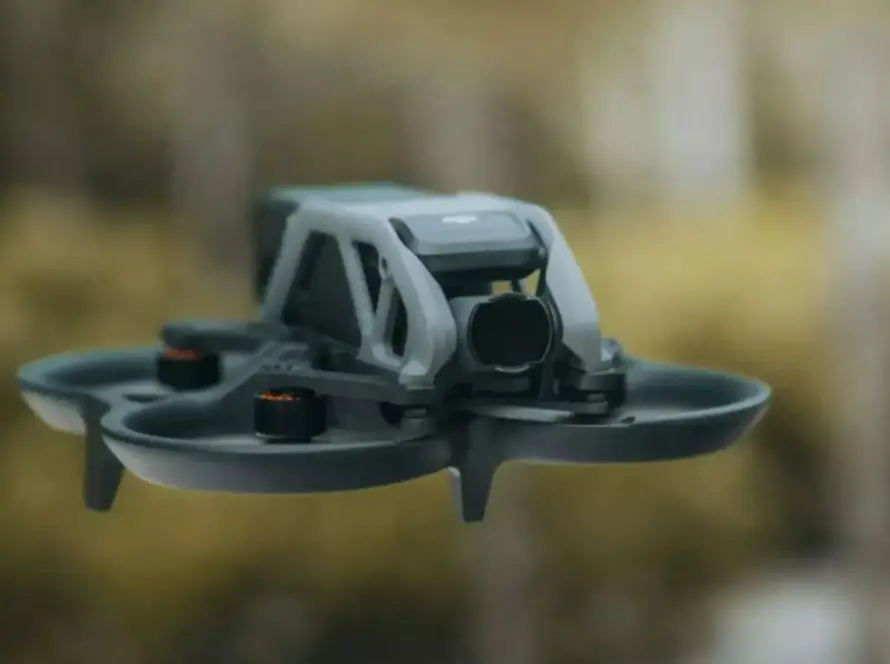
One of the most interesting and unique aspects of the Avata 360 leaks is the rotating dual‑lens housing:
-
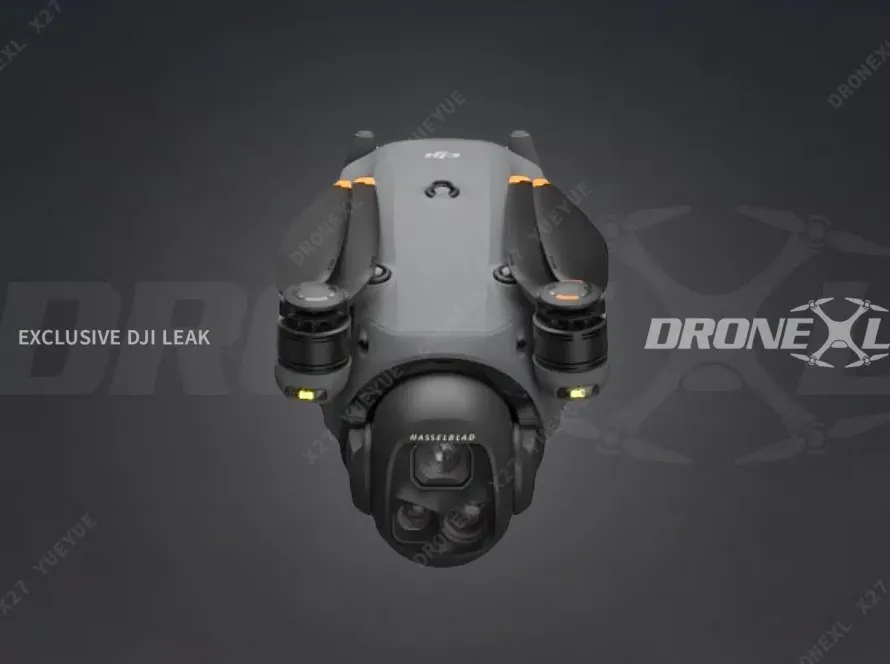
Leaked renders and enhanced prototype photos show the entire camera module enclosed and able to rotate ~90° inside a protective shroud.
-
In FPV mode, one lens points forward, while the opposite lens is hidden, functioning somewhat like a super‑wide FPV camera.
-
In 360 mode, the gimbal rotates so the two lenses point upward and downward, forming a top/bottom 360 pair similar to Osmo 360 and Antigravity A1.
YouTube breakdowns and FPV analysts are calling this concept “dual-vision hybrid FPV”, because it bridges traditional FPV and dedicated 360 drones.
Practical benefits:
-
Fly aggressively like a normal cinewhoop FPV rig.
-
Land, then reframe in post like a full 360 camera, making the drone effectively “invisible” in the shot.
-
Use a single platform for dynamic FPV lines, follow‑cam tracking, and immersive spherical shots.
Design & Form Factor: Sleeker Cinewhoop With Larger Camera
While Avata 360 retains the ducted prop / cinewhoop form factor from Avata 2, several visible design changes show up across leaked images:
-
Slimmer top profile: The top of the body appears lower and flatter so it stays out of the 360 lenses’ stitch line, making the drone nearly “invisible” in 360 footage.
-
Longer rear section: The body looks slightly elongated at the back, likely to accommodate the larger 38.67 Wh battery and the rotating camera mechanism.
-
Thinner, smoother ducts: The prop guards appear more aerodynamic, using lighter composites for better airflow and agility while still providing crash resistance.
-
Bulkier camera housing: The camera block is noticeably larger and more exposed than Avata 2’s, to integrate the dual‑lens 360 assembly.
Several leaks and breakdowns estimate a total weight around ~377 g, although some speculate DJI may aim for a sub‑250 g regional variant, which currently seems unlikely given the battery and sensor setup.
Obstacle Avoidance & Sensors: Vision + LiDAR + 360 Awareness
Avata 360 is expected to be the most sensor‑rich FPV drone DJI has ever made, blending FPV freedom with smart collision avoidance.
Leaked details suggest:
-
Front array: Four front‑facing points interpreted as dual optical cameras plus dual LiDAR or ToF modules.
-
Side sensors: Additional side‑facing visual sensors for lateral awareness during high‑speed passes and tracking.
-
360 camera as sensor: Multiple analyses propose that in full 360 mode, the dual lenses themselves will feed depth/vision data into a 360° anti‑collision logic, giving near‑omnidirectional sensing.
This should enable:
-
ActiveTrack‑style subject following (cyclists, runners, vehicles) with 360 awareness.
-
Safer low‑level, close‑proximity FPV lines in forests, urban environments, and indoor spaces.
-
A possible “ActiveTrack 360” or “Follow me in FPV” flight mode hinted in several analyses.
For FPV filmmakers, this is potentially huge: traditional FPV rigs rely purely on pilot skill; Avata 360 could introduce semi‑autonomous tracking and obstacle avoidance within an FPV‑style frame, lowering the risk profile for commercial work.
Flight Performance: Battery, Range & Transmission
Leveraging the FCC battery data plus leaks, most outlets converge around these performance expectations:
-
Battery: 14.32 V, 38.67 Wh, around 26% more capacity than Avata 2, pointing to up to ~25 minutes of ideal flight time (real FPV usage likely lower).
-
Flight time: “Up to 25 minutes” in marketing terms is widely quoted.
-
Max speed: Around 27 m/s (≈ 60 mph) in full manual mode, similar to or slightly better than Avata 2.
-
Transmission: O4 / OcuSync 4.0 with up to 20 km range in ideal conditions, used with DJI Goggles 3 / Goggles N3 and RC Motion 3.
The combination of longer battery, stronger link, and advanced sensing positions Avata 360 as a highly capable mid‑range FPV platform rather than a pure race quad.
Controllers, Goggles & Ecosystem Integration
Leaks and promo breakdowns consistently show Avata 360 integrated into DJI’s current FPV ecosystem:
Expected compatibility:
-
Goggles: DJI Goggles 3 and/or Goggles N3, with O4 transmission and AR overlays.
-
Motion controllers: RC Motion 3 for intuitive tilt‑based flying and potential gesture support.
-
Screen remotes: Promo image breakdowns show references to RC 2 and likely RC‑N3, giving a traditional drone‑style control option with built‑in screen and physical sticks.
This means Avata 360 is designed to live between FPV and camera drones: you can fly immersive with goggles, or line‑of‑sight and framed like a normal camera drone, depending on job or comfort level.
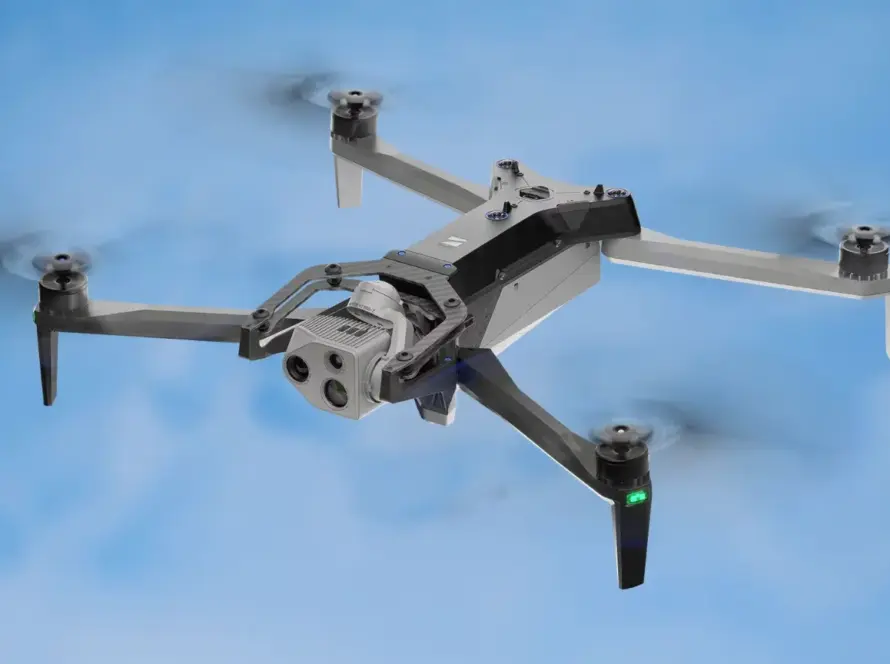
DJI Avata 360 vs DJI Avata 2 vs Insta360 Antigravity A1
| Feature | DJI Avata 2 (current) | DJI Avata 360 (rumored) | Insta360 Antigravity A1 (announced) |
|---|---|---|---|
| Camera type | Single wide FPV | Dual 1/1.1″ 360 + FPV hybrid | Integrated 360 camera top/bottom |
| Max video (360) | N/A | 8K 50fps panoramic 360 | 8K 360 30fps (marketed “world’s first” 8K) |
| Max video (FPV mode) | 4K 100/120fps (approx) | 4K 120fps single‑lens FPV | Extracted 4K views from 360 capture |
| Obstacle avoidance | Limited / basic | Multi‑direction vision + LiDAR + 360‑assisted sensing | 360 awareness via camera, no FPV‑style hybrid |
| Flight time (claimed) | ~18–23 min | Up to ~25 min | Similar mid‑range (varies by config) |
| Transmission | O4 up to ~13 km | O4 up to 20 km | Proprietary insta link |
| Design | Cinewhoop FPV | Cinewhoop FPV with rotating dual‑lens housing | 360‑dedicated, invisible drone |
| Price (launch, rumored) | ~849 USD base | ~999 USD Fly More combo | Not fully confirmed; expected ~999+ USD |
This comparison shows DJI’s strategy clearly:
-
Versus Avata 2: Avata 360 is a big generational jump: better camera, more sensors, more battery, and an entirely new 360 workflow.
-
Versus Antigravity A1: Avata 360 differentiates with a hybrid FPV mode and DJI’s ecosystem of goggles, controllers, and Osmo 360 tech.
Release Date & Launch Timing: How Close Are We?
The FCC approval on November 19, 2025 plus multiple independent reports narrow launch timing significantly:
-
FCC + NDAA deadline: DJI must get the Avata 360 on sale in the US before December 23, 2025, or risk it being blocked by a potential FCC Covered List expansion. This strongly implies an accelerated late‑2025 launch.
-
Tech media & leak consensus: Tech outlets and rumor sites now describe launch as “imminent,” “winter release,” or “any day now”.
-
Alternative global timing: Some rumor coverage still frames it as a late‑2025/early‑2026 product, especially if US sales are complicated by regulation.
At this point, Avata 360 is effectively confirmed as DJI’s next major drone release, highly likely to appear before or right around the December 23 deadline in at least some markets.
Price Rumors & Kit Options
Pricing leaks are relatively aligned across several sources:
-
Base / Fly More Combo: Around 999 USD, a modest ~8% uplift vs Avata 2’s ~849 USD pricing.
-
Some Chinese market rumors mention around 5000 CNY, which roughly aligns with a $900–$1000 global range after taxes and regional adjustments.
Given DJI’s usual playbook and The New Camera’s bundling speculation, expect:
-
A standard combo (drone + battery + charger + basic controller).
-
A Fly More / Creator combo with extra batteries, ND filters, case, and possibly bonus Osmo 360 ecosystem perks or software vouchers.
What This Means for FPV Pilots & Creators
If the leaked specs hold, Avata 360 will:
-
Redefine FPV content workflows by pairing aggressive FPV movement with 360 reframing flexibility.
-
Make “one flight → many edits” viable for commercial jobs, YouTube, and social content.
-
Lower the risk of high‑stakes FPV shots through omnidirectional sensing and LiDAR‑assisted avoidance.
-
Give DJI a strong counter to Insta360’s Antigravity A1, while keeping users inside DJI’s familiar goggles + motion controller ecosystem.
For creators focused on travel, action sports, automotive and cinematic reels, this can become a primary tool rather than a niche specialty rig.
Should You Wait for the DJI Avata 360?
If you are considering buying or upgrading an FPV/360 platform in late 2025, the decision comes down to timeline and workflow:
Wait for Avata 360 if:
-
You want one drone that can handle both FPV and 360 without external camera mounts.
-
Your work relies heavily on reframing, social‑first vertical edits, and multi‑angle exports from one flight.
-
You plan to invest deeply into DJI’s FPV ecosystem (Goggles 3/N3, RC Motion 3, Osmo 360).
Consider alternatives now if:
-
You are under time pressure for projects before the drone officially ships.
-
You prefer a pure FPV race/freestyle rig with full custom tuning and part-swapping (where DIY quads still win).
-
Regulatory uncertainty in your market (especially the US) makes you hesitant about new DJI purchases.
For most content‑driven FPV creators, it is strategically wise to wait a few weeks if possible, watch the early reviews, and then decide between Avata 2, Avata 360, or Antigravity A1 once real‑world footage and firmware behavior are known.
SEO‑Optimized FAQs About DJI Avata 360 FPV
1. Is the DJI Avata 360 officially confirmed?
DJI has not issued a formal press release yet, but FCC filings under model DVN3NT plus multiple leaked promo images and consistent specs from trusted leaker Igor Bogdanov make the Avata 360 effectively confirmed as DJI’s first 360‑capable FPV drone.
2. What are the main camera specs of the DJI Avata 360?
Leaks point to dual 1/1.1‑inch CMOS sensors capable of 8K 50fps 360 video, 4K 120fps FPV‑style video, around 38 MP stills, and up to 120 MP panoramic 360 photos, with 10‑bit D‑Log M and RockSteady/HorizonBalancing stabilization inherited from Osmo 360.
3. How is Avata 360 different from Avata 2?
Compared to Avata 2, the Avata 360 adds:
-
A dual‑lens 360 + FPV hybrid camera,
-
A bigger 38.67 Wh battery for potentially longer flight time,
-
Much more advanced LiDAR + vision obstacle avoidance,
-
Integration of 8K 360 workflows, not just wide FPV footage.
It’s a major generational leap, not a minor refresh.
4. Can the DJI Avata 360 shoot traditional FPV footage?
Yes. The rotating camera housing allows a single lens to face forward in FPV mode, while the second lens is hidden, giving classic ultra‑wide FPV footage at up to 4K 120fps with DJI’s stabilization.
5. Will the DJI Avata 360 be compatible with DJI Goggles and Motion controllers?
Leaks and promo breakdowns show DJI Goggles 3 / Goggles N3 and RC Motion 3 used with Avata 360, plus likely compatibility with RC2/RC‑N3 for screen‑based flying.
6. What is the flight time of the DJI Avata 360?
Based on a 38.67 Wh battery and leaked marketing figures, Avata 360 is expected to offer up to 25 minutes of ideal flight time, though real‑world FPV flights will be shorter, especially at high speeds.
7. How much will the DJI Avata 360 cost?
Rumors place the Fly More / main combo at around 999 USD, roughly 80 USD more than Avata 2. This positions it directly against Insta360’s Antigravity A1 pricing, which is also expected near the 999 USD mark.
8. When will the DJI Avata 360 be released?
With FCC approval dated November 19, 2025 and a looming December 23 FCC/NDAA deadline that could block new DJI launches in the US, most analysts expect a late‑2025 release window, potentially within weeks, at least in select markets.
9. Is the DJI Avata 360 good for beginners?
While final firmware and modes are unknown, the combination of:
-
Motion controller support,
-
Advanced obstacle avoidance, and
-
The option to fly in stabilized FPV or fully 360‑assisted modes
suggests the Avata 360 will be more forgiving than pure manual FPV builds, though still more complex than entry‑level GPS camera drones.
10. How will Avata 360 compete with Insta360 Antigravity A1?
Antigravity A1 is a pure 8K 360 drone focused on invisible‑drone capture, while Avata 360 offers a hybrid system that can switch between true FPV and 360. With DJI’s O4 link, goggles ecosystem, Osmo 360 image pipeline, and dual‑mode camera, Avata 360 is positioned as a more versatile all‑rounder for FPV creators.