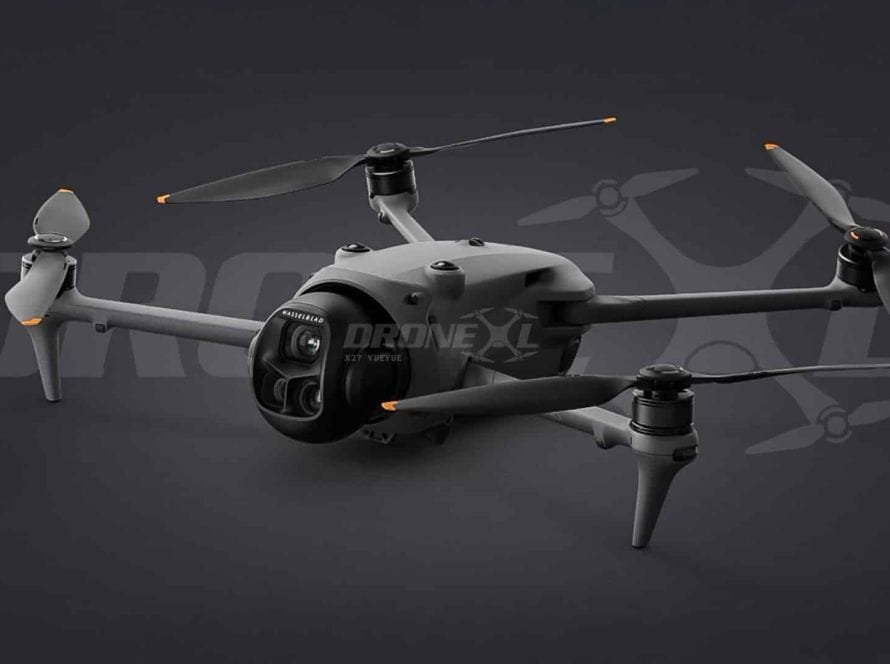
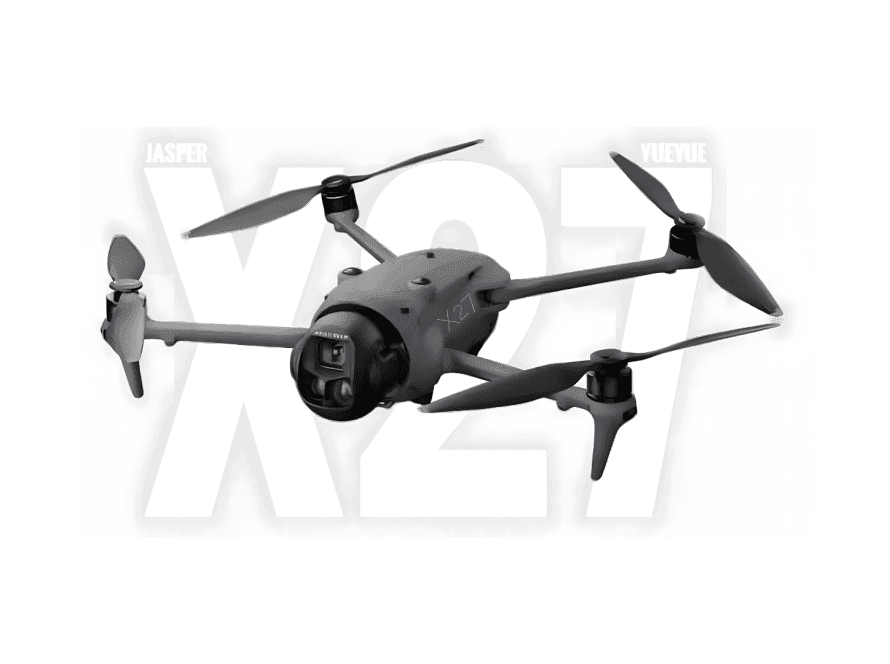
The DJI Inspire 3 remains DJI’s flagship cinema drone in 2026 — a dual-operator platform with the Zenmuse X9-8K Air sensor, ProRes RAW recording, and the rigging flexibility cinema productions actually need. It’s the drone behind much of the high-end commercial and feature aerial work shot in 2024–2026. Not for hobbyists; built for cinema rental houses and dedicated aerial DPs.
Why the Inspire 3 still wins for top-tier productions
Three reasons: the X9-8K Air sensor (CinemaDNG/ProRes RAW), the dual-operator architecture (pilot + camera op), and the swappable lens system. No Mavic-class drone matches all three. For broadcast, feature film, and premium commercial work, the Inspire 3 remains the choice.
X9-8K Air sensor — what makes it special
The X9-8K Air shoots 8K up to 75fps internally with full-frame look on dual native ISO. Dynamic range is around 14 stops; colour science matches the X9-6K and the Ronin 4D-8K, so cuts across drone, ground, and gimbal footage look unified.
Dual-operator workflow
A pilot focuses on flight; a camera operator independently controls framing, focus, exposure, and ISO via a second controller. This is the standard for serious aerial cinema and is what’s needed when you’re matching ground camera operators in a single shot.
Lens flexibility — DL mount range
The Inspire 3’s DL mount accepts a range of full-frame DJI lenses (18, 24, 35, 50 mm). For longer focal lengths, third-party adapters or PL-mount lenses extend the range. Lens flexibility is a major reason the Inspire 3 wins on serious shoots.
Pricing and rental reality
Buying an Inspire 3 outright is expensive once you add lenses, batteries, and crew kits. Most productions in Jordan rent from a cinema house and bring their own crew. We arrange Inspire 3 rentals as part of full-service productions when the brief justifies it.
Inspire 3 vs Mavic 4 Cine
The Inspire 3 wins on swappable lenses, dual-operator workflow, and CinemaDNG. The Mavic 4 Cine wins on portability, faster setup, and lower crew cost. Many productions use both: Inspire 3 for hero shots, Mavic 4 Cine for fast-moving second-camera coverage.
Inspire 3 — spec summary
| Spec | Value |
|---|---|
| Camera | Zenmuse X9-8K Air |
| Max video | 8K/75 ProRes RAW |
| Dynamic range | ~14 stops |
| Operators | Dual (pilot + camera op) |
| Lens mount | DL (DJI native) |
| Transmission | O3 Pro |
| Flight time | ~28 min |
Frequently Asked Questions
Is the Inspire 3 outdated in 2026?
No — it remains DJI’s flagship cinema drone and the standard for top-tier productions. DJI has continued firmware updates and accessory support.
Should a small studio buy or rent an Inspire 3?
Rent. The buy-in cost (drone + lenses + crew kit) is hard to justify unless you’re flying 50+ days per year. Rental houses in major cities, including the region, stock it.
What’s the dynamic range really like?
Around 14 stops in CineDNG RAW. Highlights hold well in Jordan desert conditions; shadow detail is recoverable in grading.
Does the Inspire 3 fly safely in wind?
Yes — wind tolerance is rated higher than Mavic-class drones, and the dual-operator setup means the camera op can compensate for gimbal load during gusts.
Can the Inspire 3 carry a RED or Alexa camera?
No — the Inspire 3 uses DJI’s X9 camera system only. For RED/Alexa payloads, look at heavy-lift platforms or helicopters.
Need a Drone in Jordan?
Need Inspire 3 production support in Jordan? Contact Loyalty Drones for advice on buying or for a CARC-permitted shoot. Related reading: DJI Mavic 4 Cine pro filmmaker breakdown. aerial photography services in Jordan.