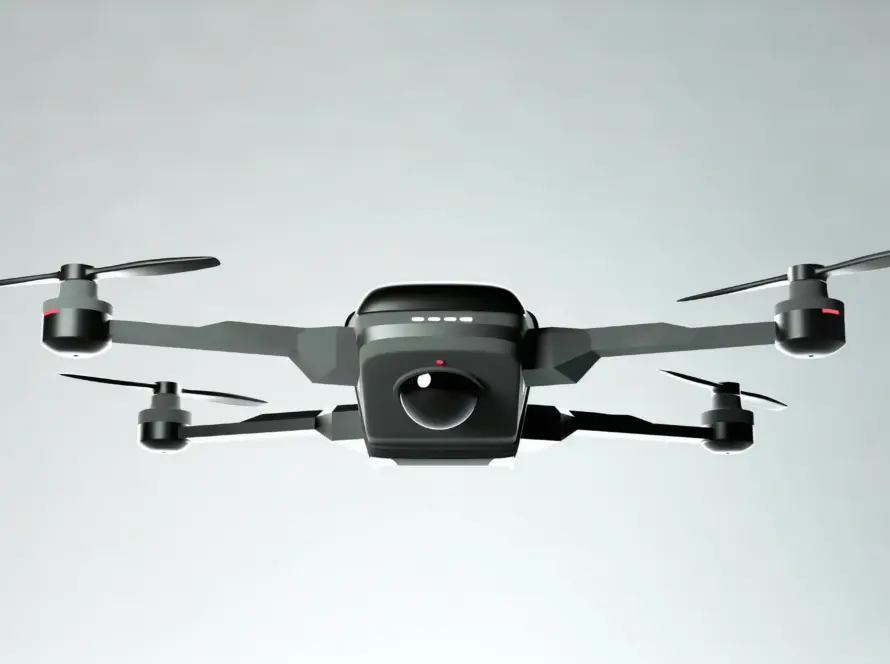
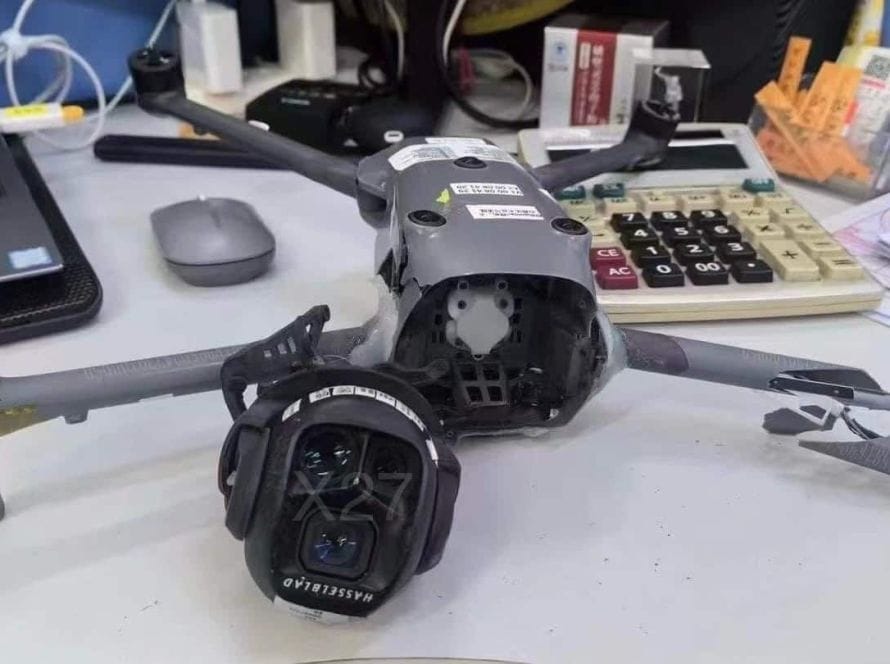
The unmanned aerial systems (UAS) industry is experiencing one of its most transformative periods, with technological innovations, regulatory shifts, and real-world applications converging to reshape the landscape. This week’s update brings crucial developments including detailed leaks about DJI’s upcoming DJI Mini 5 Pro, significant regulatory moves from the U.S. Department of Commerce that could impact the entire market, and a groundbreaking medical delivery demonstration in Kansas that showcases drones’ life-saving potential. For commercial operators, recreational flyers, and industry observers, these developments represent both exciting opportunities and substantial challenges that could define the future of drone technology in North America and beyond.
1. DJI Mini 5 Pro: Extensive Leaks Point to Imminent September Launch
Release Date and Pricing
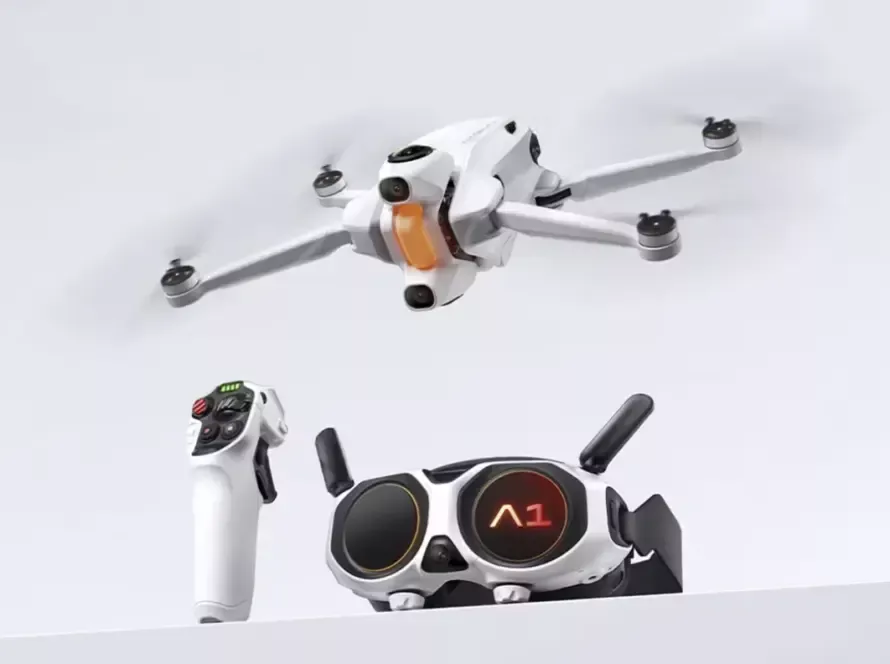
According to multiple trusted sources and leaked internal documents, DJI is poised to release its Mini 5 Pro drone around September 16-18, 2025. Retail availability is expected as early as September 17th in some markets. The marketing slogan “Pro in Mini” emphasizes the professional-grade features packed into this sub-250g drone.
European pricing has been spotted in retail listings, with the base package (featuring the screenless RC-N3 controller) starting at €799 (approximately $799 USD). The Fly More Combo with the RC2 controller is expected to be priced at €1,129 (approximately $1,129 USD), while a premium bundle including ND filters may reach €1,229.
Table: DJI Mini 5 Pro Expected Pricing
| Package | Price (Euro) | Estimated USD |
|---|---|---|
| Base Model (RC-N3) | €799 | ~$799 |
| Fly More Combo (RC2) | €1,129 | ~$1,129 |
| Premium Bundle (with ND filters) | €1,229 | ~$1,229 |
Technical Specifications and Features
The most significant upgrade is the reported inclusion of a 1-inch CMOS sensor—a substantial improvement over the Mini 4 Pro’s 1/1.3-inch sensor. This larger sensor, paired with an f/1.8 aperture 24mm equivalent lens, promises exceptional low-light performance and dynamic range, potentially rivaling larger professional drones.
Other expected features include:
-
Omnidirectional obstacle avoidance with forward-facing LiDAR for enhanced safety, particularly in low-light conditions
-
4K video recording at 120fps with HDR support
-
True vertical shooting capability with 225° gimbal rotation
-
48mm medium telephoto mode via in-camera crop
-
Extended flight time of up to 52 minutes with optional Plus battery
-
Backward compatibility with Mini 3 and Mini 4 batteries (rumored)
Table: Expected DJI Mini 5 Pro Specifications
| Feature | Specification |
|---|---|
| Weight | Under 249g |
| Sensor | 1-inch CMOS |
| Max Video Resolution | 4K/120fps |
| Obstacle Avoidance | 360° with LiDAR |
| Flight Time | Up to 52 minutes (with Plus battery) |
| Transmission Range | Up to 25km (O4 technology) |
| Special Features | Vertical shooting, 48mm telephoto mode |
Market Availability Concerns
Despite the global launch, there are strong indications that the Mini 5 Pro may not be available in the United States, continuing the trend set by DJI’s Mavic 4 series. This potential exclusion reflects the ongoing geopolitical tensions affecting the drone market and could significantly impact American commercial operators and consumers who have come to rely on DJI’s ecosystem.
2. US Department of Commerce Prepares New Drone Regulations
National Security Measures
The U.S. Department of Commerce is preparing to release regulations addressing national security concerns surrounding drones manufactured in China and other “foreign adversary” countries. While specific details remain undisclosed, these rules follow an Advanced Notice of Proposed Rulemaking (ANPRM) issued earlier in 2025.
The regulatory action appears connected to broader initiatives outlined in the White House’s “Unleashing American Drone Dominance” executive order, which emphasizes reducing reliance on foreign drone technology and strengthening the domestic industrial base.
Potential Market Impact
With approximately 80% of the U.S. consumer and commercial drone market currently using DJI products, any restrictive measures could create significant disruption. The absence of direct, affordable alternatives from American manufacturers means that a sudden ban could:
-
Disrupt thousands of small businesses that rely on DJI equipment
-
Hinder critical operations in sectors like agriculture, infrastructure inspection, and public safety
-
Create supply chain challenges for replacement parts and services
The Department of Commerce has not yet previewed the draft text of the proposed regulations, leaving industry stakeholders in a state of uncertainty about the future of their operations.
Regulatory Context
These developments occur alongside other drone regulatory advances, including:
-
The FAA’s proposed rule on Beyond Visual Line of Sight (BVLOS) operations, which would dramatically expand commercial drone applications
-
Initiatives to accelerate the safe integration of UAS into the National Airspace System
-
Efforts to strengthen the American drone industrial base and promote exports of U.S.-manufactured systems
3. Historic 30-Mile Medical Drone Delivery in Kansas
Mission Details
In a landmark achievement for rural healthcare, Kansas has hosted the state’s first long-range medical drone delivery. On August 12, 2025, a Pyka Pelican autonomous drone delivered an Automated External Defibrillator (AED) nearly 30 miles from Seneca to Onaga Hospital in just 30 minutes—a journey that would have taken over an hour by ground transportation.
This demonstration flight was conducted by Community HealthCare System in collaboration with Kansas State University’s Aerospace and Technology campus, the Kansas Department of Transportation, and drone manufacturer Pyka.
Pyka Pelican Drone Specifications
The Pyka Pelican Cargo is a vertical take-off and landing (VTOL) aircraft specifically designed for logistics missions. Key specifications include:
-
Payload capacity: 70kg (approximately 150 pounds)
-
Range: Up to 200 miles
-
Operation: Fully autonomous with pre-approved FAA flight plans
-
Monitoring: Human technicians ready to assume remote control if necessary
Implications for Rural Healthcare
This successful demonstration highlights drones’ potential to revolutionize medical logistics in rural areas where:
-
Distances between facilities are significant
-
Time-sensitive deliveries of medical supplies can be life-saving
-
Traditional transportation methods are slow and costly
The program envisions expanding beyond AED delivery to include transport of lab samples, blood units, antivenom, and other critical medical supplies. Faster delivery of lab samples could mean quicker diagnoses, while reliable transport of specialized supplies might enable smaller rural hospitals to perform procedures that would otherwise require patient transfers to larger facilities.
Industry Implications and Analysis
Technological Advancement vs. Regulatory Restrictions
The contrast between DJI’s continued innovation and potential U.S. restrictions creates a complex landscape for commercial operators. While technological capabilities advance rapidly—with smaller drones gaining professional features—geopolitical factors increasingly influence market access and equipment choices.
The Rural Healthcare Breakthrough
Kansas’s successful medical delivery demonstration represents a practical application of drone technology with immediate life-saving potential. Unlike urban delivery experiments that focus on convenience, rural medical deliveries address critical access issues where traditional infrastructure is lacking or insufficient.
Regulatory Developments to Monitor
Stakeholders should monitor several regulatory processes:
-
Commerce Department’s upcoming rules on foreign-made drones
-
FAA’s BVLOS rulemaking progress
-
State-level initiatives like Kansas’s approach to integrating drones into healthcare logistics
Conclusion
This week’s developments highlight the divergent paths of the global drone industry: ** technological innovation** continues at a rapid pace, as evidenced by DJI’s upcoming Mini 5 Pro, while geopolitical factors increasingly influence market access and regulations. Meanwhile, practical applications like Kansas’s medical delivery demonstration show the tangible benefits that drone technology can deliver when implemented effectively.
For commercial operators, maintaining flexibility and staying informed about regulatory changes will be essential for navigating this evolving landscape. The coming months will likely bring more clarity on both the market availability of new technologies like the Mini 5 Pro and the regulatory framework that will govern their use in critical markets like the United States.
FAQ
Q1: When will the DJI Mini 5 Pro be released?
A: Based on multiple leaks, the DJI Mini 5 Pro is expected to be announced around September 16-18, 2025, with retail availability potentially as early as September 17th.
Q2: Will the DJI Mini 5 Pro be available in the United States?
A: There are strong indications that the Mini 5 Pro may not be available in the U.S., continuing the trend set by DJI’s recent Mavic 4 series.
Q3: What is the significance of the 1-inch sensor in the Mini 5 Pro?
A: A 1-inch sensor represents a substantial improvement in image quality, particularly in low-light conditions, and would bring the Mini series closer to the capabilities of larger professional drones.
Q4: How might U.S. Department of Commerce regulations affect drone users?
A: Depending on their scope, the regulations could limit availability of certain foreign-made drones, potentially disrupting operations for businesses that rely on this equipment and accelerating adoption of American alternatives.
Q5: What made the Kansas medical delivery significant?
A: The demonstration showed how drones can reduce delivery times for critical medical supplies in rural areas, potentially saving lives and improving healthcare outcomes in underserved communities.
Q6: What drone was used in the Kansas medical delivery?
A: The delivery used a Pyka Pelican Cargo drone—a VTOL (Vertical Take-Off and Landing) aircraft designed specifically for logistics missions with substantial payload capacity and range.