The legal landscape for Unmanned Aerial Vehicles (UAVs) in the Hashemite Kingdom of Jordan has undergone significant transformation in 2025. Whether you are a tourist looking to capture the majesty of Petra, a real estate developer requiring 3D mapping in Amman, or a logistics company exploring delivery solutions, understanding the Civil Aviation Regulatory Commission (CARC) framework is no longer optional—it is a prerequisite for operation.
Flying a drone in Jordan without the explicit, written authorization of the CARC and the Ministry of Interior (MoI) is a criminal offense that can result in immediate equipment confiscation, heavy financial penalties, and potential imprisonment.
This guide, authored by the compliance experts at Loyalty Drones, serves as the authoritative legal reference for all drone operations within Jordanian airspace in 2025.
Executive Summary: Can You Fly a Drone in Jordan in 2025?
Yes, but only with prior authorization. Jordan does not recognize “recreational” or “toy” drone categories as exempt from regulation. Every drone, regardless of weight (including those under 250g like the DJI Mini 4 Pro), requires registration and a specific flight permit for every mission.
- For Tourists: Bringing a personal drone into Jordan is strictly prohibited without a pre-approved permit. Unapproved drones are confiscated at customs.
- For Businesses: Commercial operations are now more accessible thanks to the 2025 “Digital Economy” amendments, provided the operator is CARC-certified.
- For Residents: Personal ownership is legal, but flight is restricted to specific approved zones and times.
Section 1: CARC Overview & Jurisdiction
What is the CARC?
The Civil Aviation Regulatory Commission (CARC) is the sole authority governing the safety, security, and regulation of civil aviation in Jordan. Established under Civil Aviation Law No. 41 of 2007, the CARC oversees all UAS (Unmanned Aircraft Systems) operations to ensure they do not interfere with manned aviation or national security.
Jurisdiction and Authority
The CARC works in direct coordination with the Ministry of Interior (MoI) and the Royal Jordanian Air Force (RJAF). While the CARC handles the technical safety and licensing, the MoI and RJAF provide the security clearance necessary for any flight.
2025 Regulatory Shift
In early 2025, the CARC introduced the “Amended Civil Aviation Fees and UAV Operation System.” This update shifted Jordan’s stance from a “restriction-heavy” model to an “innovation-friendly” framework, specifically designed to support:
- Tourism marketing and cinematic production.
- Agricultural monitoring and crop spraying.
- Logistics, delivery, and infrastructure inspection.
Contact Information:
- Official Website: carc.gov.jo
- Address: Airport Road, Amman, Jordan
- Phone: +962 6 487 2282
- Email: [email protected]
Section 2: Do You Need CARC Approval? (The Requirement Matrix)
YES Scenarios (Approval Required)
If your situation falls into any of these categories, you must obtain a permit:
- Any Flight Over 0 Meters: There is no “low altitude” exemption in Jordan.
- Commercial Filming: Any footage intended for social media monetization, TV, or film.
- Scientific Research: Including environmental or archaeological surveys.
- Importing a Drone: Bringing a drone through Queen Alia International Airport (QAIA) or land borders.
- Agricultural Use: Even on private land.
NO Scenarios (Exemptions)
Exemptions are extremely limited and typically only apply to:
- Indoor Operations: Flights conducted entirely within a fully enclosed private building (where GPS signal is not required).
- Military/State Use: Operations conducted by the Jordanian Armed Forces or Public Security Directorate.
UNCERTAIN Scenarios
If you are flying for “purely private use” on your own remote property, you still require a permit. The CARC considers any outdoor flight a use of sovereign airspace. When in doubt, contact Loyalty Drones Compliance Services for a regulatory assessment.
Section 3: Registration & Permit Process (Step-by-Step)
Applying for a drone permit in Jordan is a two-tier process: Registration (the drone) and Operation (the flight).
Step 1: Drone Registration
Before a drone can fly, it must be registered in the CARC database.
- Requirements: Serial number, high-resolution photos of the drone, and proof of ownership.
- Electronic ID: As of 2025, all registered drones must be capable of Remote ID (Broadcast RID).
Step 2: Flight Application
You must submit an “Application to Operate UAV” at least 10-15 working days prior to the flight date.
- Documentation Checklist:
- [ ] Completed CARC UAV Form.
- [ ] Copy of Pilot’s Passport/ID.
- [ ] Pilot Training Certificate (CARC-approved).
- [ ] Insurance Certificate (Third-party liability).
- [ ] Specific coordinates (Google Maps pins) for takeoff/landing.
- [ ] Detailed purpose of flight.
Step 3: Fee Payment
- Standard Registration: 50 JOD.
- Commercial Operation Permit: Varies by duration and location (typically 100-250 JOD).
- Tourist Deposit: 500 JOD (Refundable upon exit).
Expected Timelines
| Process Type | Standard Timeline | Expedited (Via Loyalty Drones) |
|---|---|---|
| Registration | 7 Working Days | 3 Working Days |
| Flight Permit (Amman) | 10-14 Working Days | 5-7 Working Days |
| Sensitive Zones (Petra/Wadi Rum) | 21 Working Days | 10 Working Days |
Section 4: Flight Restrictions & Operational Limits
Standard operating procedures (SOPs) for drones in Jordan follow strict safety parameters:
- Altitude Limits:
- Standard Ceiling: 121 meters (400 feet) Above Ground Level (AGL).
- Amman City Limit: 45 meters (150 feet) AGL (Due to helicopter corridors and high-security density).
- Distance (VLOS): The drone must remain within the Visual Line of Sight of the operator at all times, not exceeding a 500-meter radius.
- Visual Observer: For commercial missions, a second person (Visual Observer) is mandatory.
- Time Restrictions: Operations are strictly limited to Daylight Hours (Sunrise to Sunset). Night flying requires an “Exceptional Night Waiver” and specialized lighting (Strobes).
- No-Fly Zones (NFZs):
- Airports: 5km radius from any airport boundary.
- Military Installations: 3km radius.
- Borders: 2km from any international border.
- Royal Palaces: Absolute prohibited airspace.
Section 5: Geographic Restrictions (The “Red Zones”)
1. Petra Archaeological Park
Petra is a UNESCO World Heritage site and a high-security zone.
- Casual Tourists: Forbidden. Drones will be confiscated at the gate.
- Professional Productions: Requires “Heritage Clearance” from the Petra Development and Tourism Region Authority (PDTRA) in addition to CARC/MoI. Fees are substantial.
2. Wadi Rum Protected Area
While more “drone-friendly” for cinematic use, Wadi Rum is environmentally sensitive and near a military airbase.
- Requirement: Permission from the Wadi Rum Management Center.
- Tip: Using a local licensed operator like Loyalty Drones is often the only way to secure these permits.
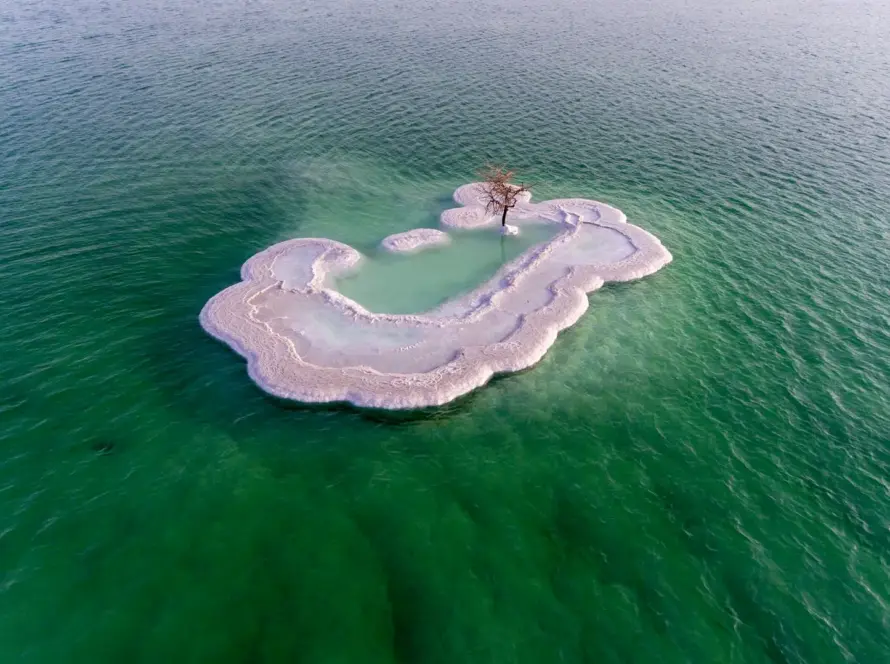
3. The Dead Sea
The Dead Sea is a sensitive border zone with Israel.
- Restriction: Flights are restricted to the “Hotel Zone” only with specific timing windows.
- Prohibition: Flying over the water toward the western shore is strictly prohibited and monitored by signal jamming.
4. Amman (The Capital)
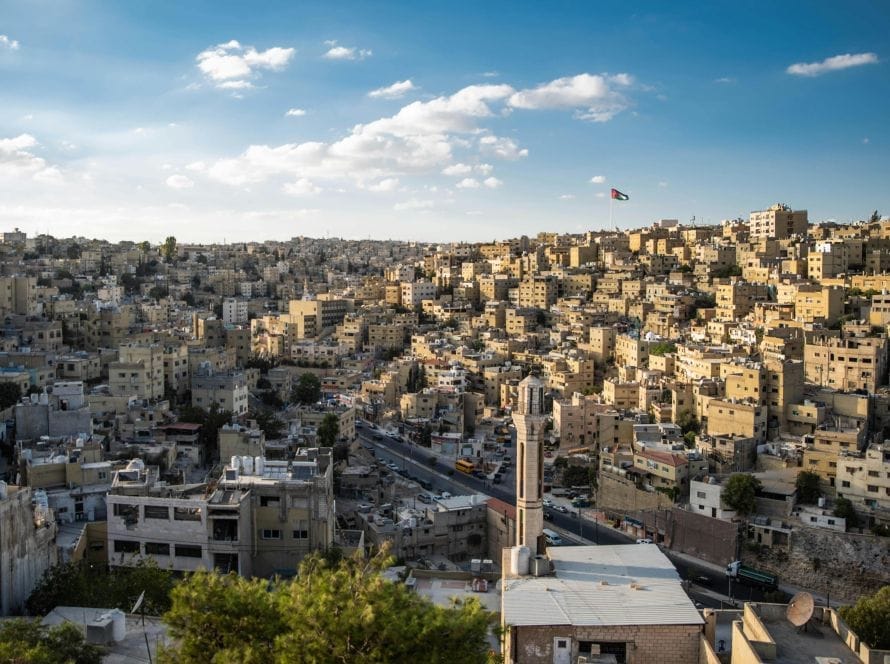
Amman is the most restricted urban area. High concentrations of embassies, government buildings, and military hospitals make “spontaneous” flying impossible. Signal interference is common near the Prime Ministry and Royal Palaces.
Section 6: Insurance Requirements
Third-party liability insurance is mandatory for all drone operations in Jordan—no exceptions.
- Minimum Coverage: 100,000 JOD (approx. $141,000 USD) for property damage and bodily injury.
- Approved Providers: Local providers like Jordan Insurance Company or Arabia Insurance offer specialized UAV riders.
- Verification: The CARC verifies the policy validity with the insurer before issuing a permit.
Section 7: Pilot Certification & Training
In 2025, “I know how to fly” is not a legal qualification.
Do You Need Certification?
- Commercial Pilots: Yes. You must hold a CARC-issued or CARC-recognized UAV Pilot License.
- Foreign Pilots: EASA (European) or FAA (US) certifications are recognized but must be “Validated” by the CARC through a local administrative process.
Training Programs
The Trans-Mediterranean Drone Aviation (TDA Jordan) and Loyalty Drones Academy provide CARC-certified courses.
- Duration: 3-5 days.
- Cost: 400 – 800 JOD depending on the level (Basic vs. Advanced Cinematic).
- Curriculum: Air law, meteorology, flight safety, and emergency procedures.
Section 8: Tourist Drone Rules (The 500 JOD Protocol)
Jordanian customs (Department of Customs) takes a “Zero Tolerance” approach to drones.
The Entry Process
- Declaration: You must declare your drone at the “Red Channel” upon arrival.
- The Tourist Fee: You must pay a 500 JOD ($705 USD) Refundable Deposit.
- Sealing: The drone is placed in a tamper-proof bag or held in a customs bonded warehouse.
- The Refund: Upon departure from Jordan, you present the receipt, and the 500 JOD is refunded—provided the seal is unbroken.
Warning: If you are caught flying a drone on a “Tourist Entry” without a permit, your 500 JOD deposit is forfeited, the drone is permanently confiscated, and you face legal charges.
Section 9: Common Violations & Penalties
Enforcement is conducted by the CARC Inspectors, Public Security Directorate (Police), and Gendarmerie.
| Violation | Penalty Amount | Legal Action |
|---|---|---|
| Flying without a permit | 1,000 – 5,000 JOD | Equipment Confiscation |
| Flying in a No-Fly Zone | 5,000+ JOD | Possible Imprisonment (3-6 months) |
| Flying over 121m altitude | 500 – 2,000 JOD | Permit Revocation |
| Privacy Invasion (Filming people) | Case Dependent | Civil Lawsuit + Fine |
Section 10: 2025 Amendments: What Changed?
The “2025 Drone Modernization Initiative” introduced several key improvements:
- Simplified Digital Portal: Applications can now be tracked online (beta phase).
- Agriculture Exemption: Streamlined permits for drones used in the Jordan Valley (Ghor) for farming.
- Manufacturing Licenses: Jordan now allows the local assembly and manufacturing of drone frames and software.
- BVLOS Testing: Specific corridors in the eastern desert are now open for Beyond Visual Line of Sight (BVLOS) testing for delivery startups.
Section 11: FAQ (Frequently Asked Questions)
Q: Can I fly a DJI Mini 3/4 (249g) without a permit? A: No. Jordan does not have a weight-based exemption. All drones require permits.
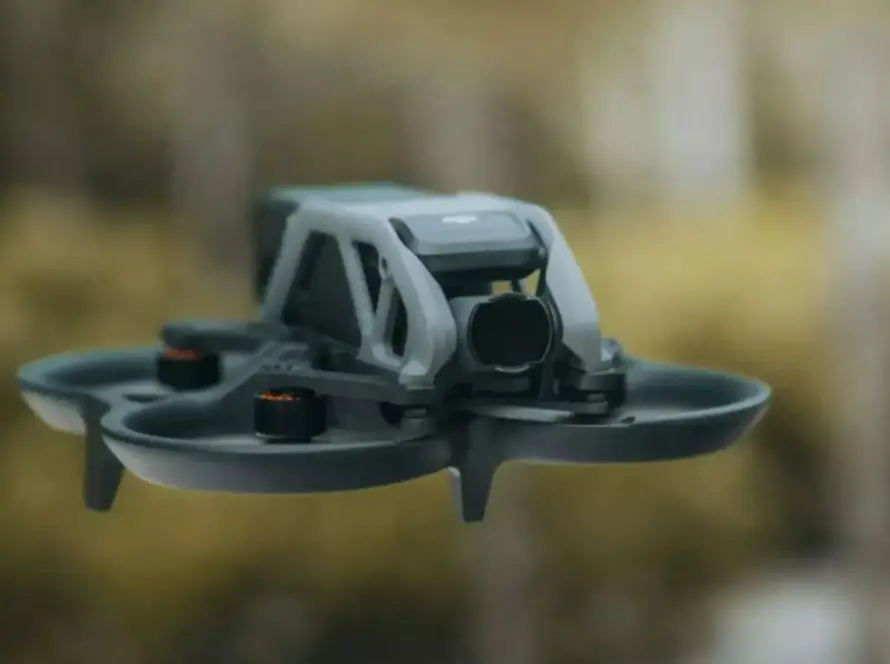
Q: Is “FPV” (First Person View) flying legal? A: Only if you have a Visual Observer (spotter) maintaining VLOS. Pure FPV without a spotter is prohibited.
Q: How do I get a permit for Petra? A: You must apply through the Royal Film Commission (RFC) or a licensed local agency like Loyalty Drones. Expect a minimum of 21 days for approval.
Q: What happens if my drone is confiscated? A: It is held at Queen Alia International Airport. You can usually retrieve it only when you are permanently leaving the country.
Q: Are there any “Free Zones” for drones? A: There are no permanent “free fly” zones. Every flight is mission-specific.
Conclusion: Fly Safe, Fly Legal
The drone industry in Jordan is vibrant and full of potential, but it operates within a high-security environment. The 2025 CARC regulations are designed to protect the Kingdom’s airspace while allowing professional and responsible use of technology to thrive.
Next Steps for Operators:
- Don’t risk it: Never launch a drone without a permit.
- Consult the Experts: Contact Loyalty Drones for permit assistance, pilot training, or to hire a fully licensed crew for your project.
- Stay Updated: Regulations can change. Always verify the latest NOTAMs (Notices to Airmen) before flight.
Contact Loyalty Drones Today: Book a Compliance Consultation | Explore Drone Services
Disclaimer: This guide is for informational purposes only and does not constitute official legal advice. Always verify regulations directly with the Civil Aviation Regulatory Commission (CARC) before operating.