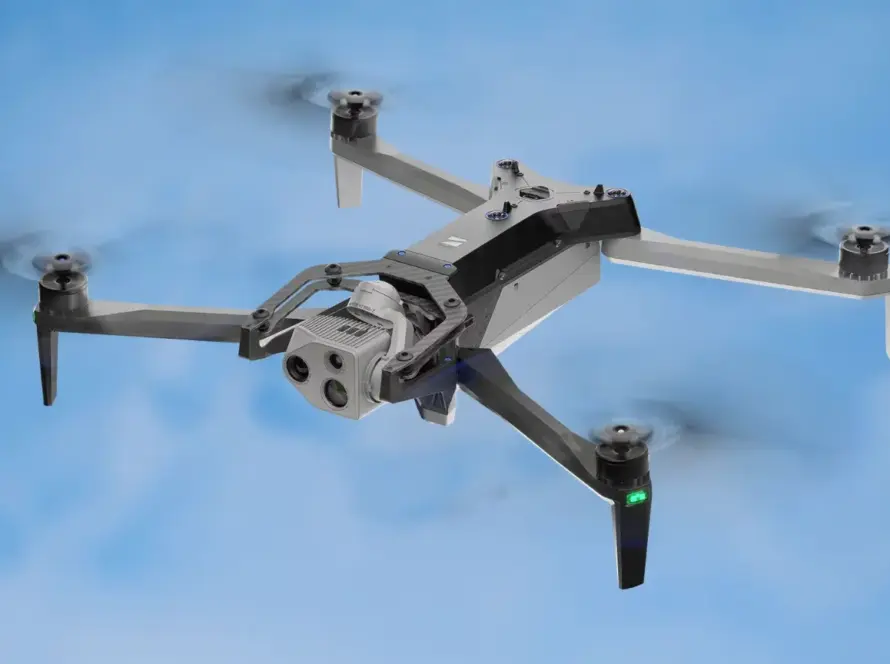
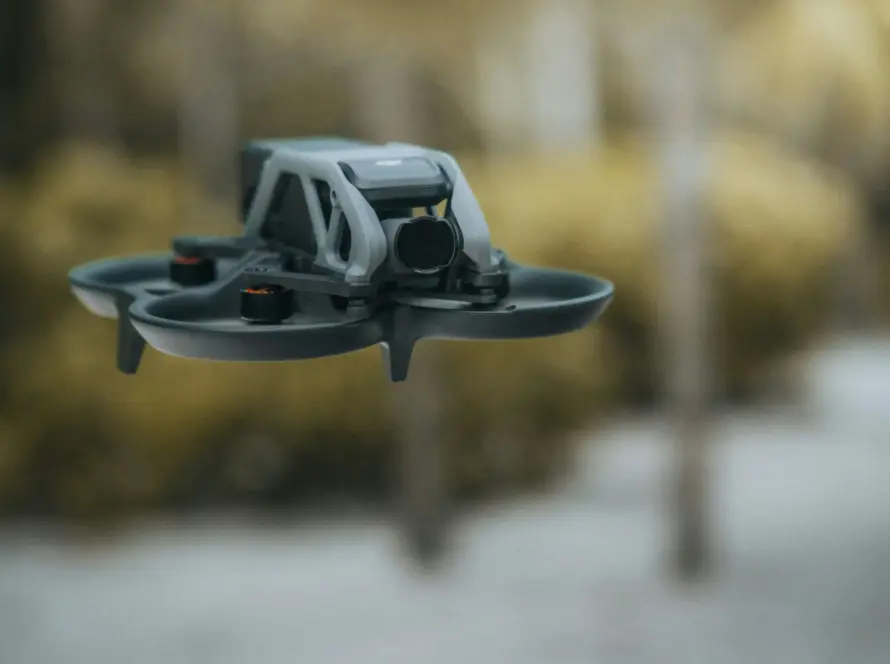
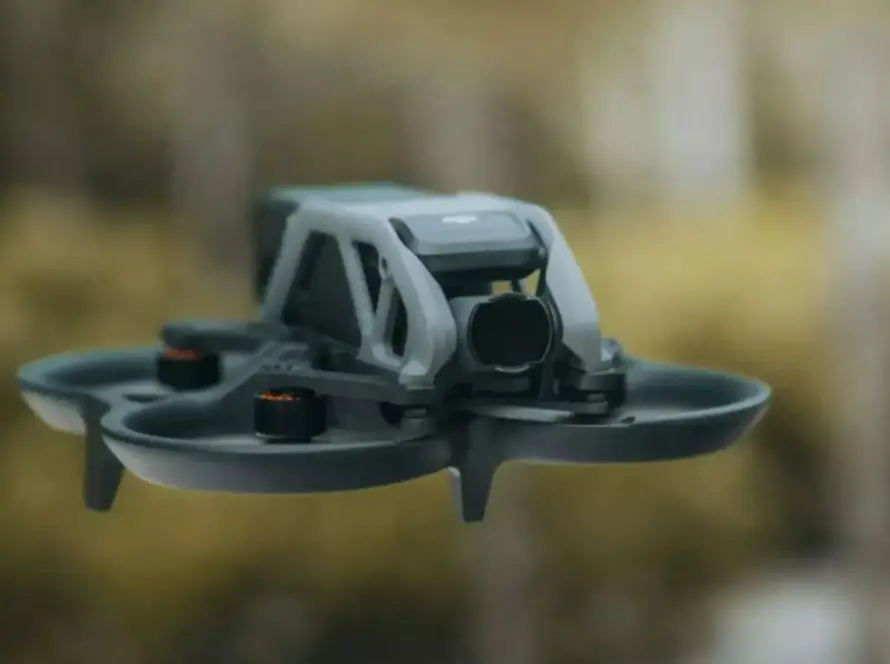
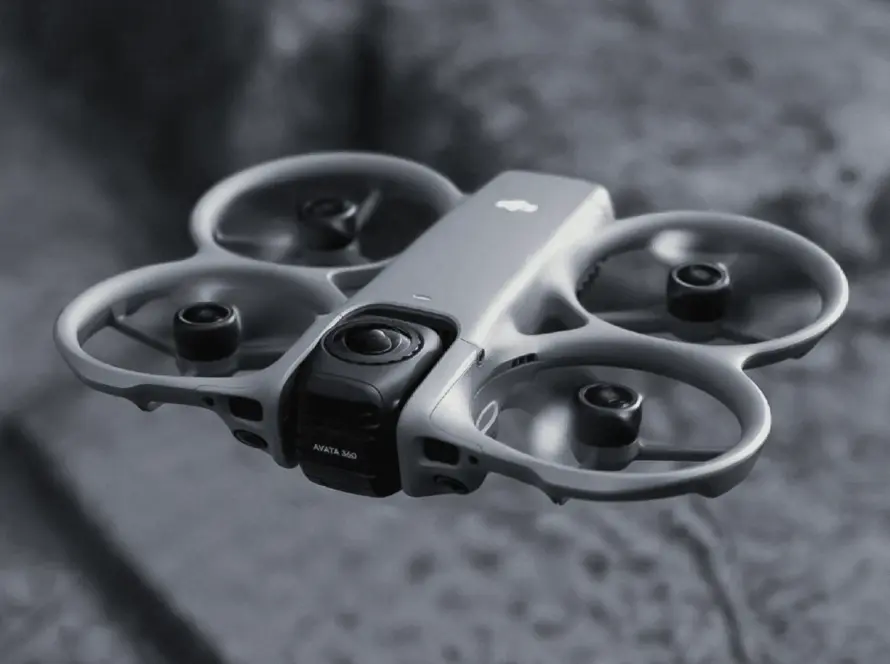
For drone operators planning commercial operations within the European Union, navigating the European Union Aviation Safety Agency (EASA) regulations is essential. The introduction of EASA Standard Scenarios (STS-01 and STS-02) marks a significant update in how drone permits are issued. These scenarios simplify cross-border B2B operations by providing standardized flight safety envelopes, replacing the need for complex, individual risk assessments.
Quick Summary & Direct Answer
EASA Standard Scenarios (STS) updates establish two primary flight profiles: STS-01 for visual line-of-sight (VLOS) flights over controlled ground areas in urban zones, and STS-02 for beyond visual line-of-sight (BVLOS) flights. To utilize these scenarios, operators must fly class-labeled C5 or C6 drones and submit a declaration of compliance.
Breaking Down STS-01 and STS-02 Configurations
The EASA STS framework is divided into two distinct operational profiles. STS-01 covers visual line-of-sight (VLOS) operations, allowing pilots to fly class C5 drones up to 120 meters high in urban areas, provided a secure ground area is established. STS-02 covers beyond visual line-of-sight (BVLOS) flights, allowing pilots to fly class C6 drones up to 2 kilometers away from the operator with airspace observers. Both scenarios eliminate the need for a customized Specific Operations Risk Assessment (SORA), saving operators weeks of administrative delays.
The Importance of Drone Class Identification Labels
To operate legally under the Standard Scenarios, drones must carry official CE class identification labels. Standard Scenarios specifically require C5 or C6 labels, which dictate safety features like active geo-awareness, Remote ID capability, and failsafe flight termination systems. Legacy drones without these labels cannot be used for STS declarations, forcing operators to purchase newer compliant hardware or apply for customized operational authorizations under the more complex SORA process, which can delay projects and increase operational costs for B2B enterprises.
EASA Standard Scenarios (STS) Operational Requirements
| Scenario Profile | Drone Class Label | Operational Flight Constraints |
|---|---|---|
| STS-01 (VLOS) | Class C5 compliant drone | Visual Line of Sight up to 120m altitude, controlled ground zone |
| STS-02 (BVLOS) | Class C6 compliant drone | Beyond Visual Line of Sight up to 2km, airspace observers required |
| Specific Category (Non-STS) | Any drone class (requires SORA) | Tailored to specific risk evaluations and unique flight approvals |
Aligning Jordan’s B2B Drone Standards with EASA Guidelines
Jordan’s Civil Aviation Regulatory Commission (CARC) often looks to EASA safety standards when drafting and updating local drone guidelines. Consequently, Jordanian businesses operating commercial drones can benefit from aligning their operations with EASA frameworks. Loyalty Drones maintains deep expertise in international aviation laws. We structure our flight operations, safety checklists, and pilot training programs in Jordan to reflect these global benchmarks, ensuring safety and efficiency for our local B2B clients and preparing them for future regulatory alignments in the region.
Partner with Loyalty Drones
Ensure your B2B drone operations align with global safety standards. Contact the regulatory specialists at Loyalty Drones today.