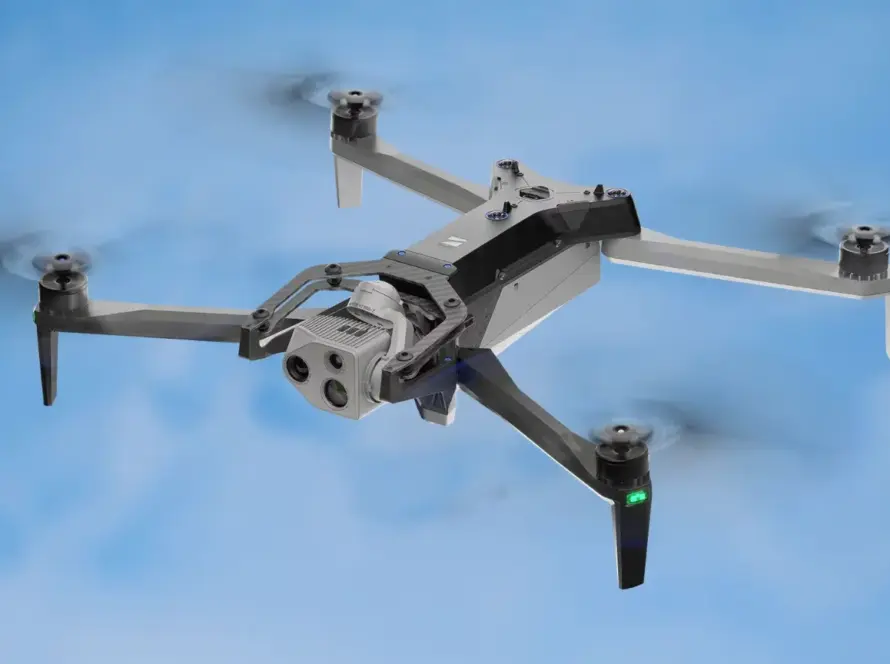
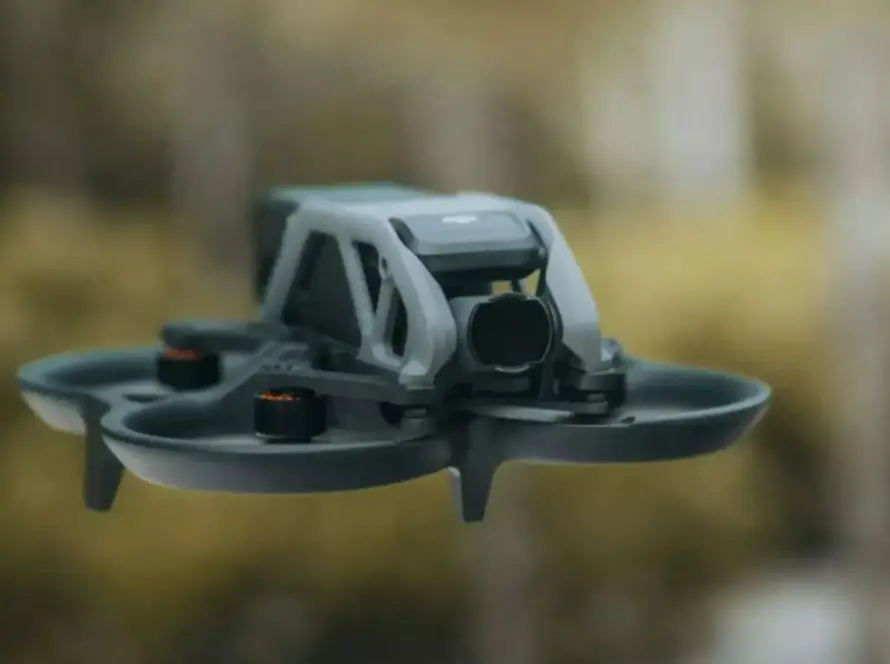
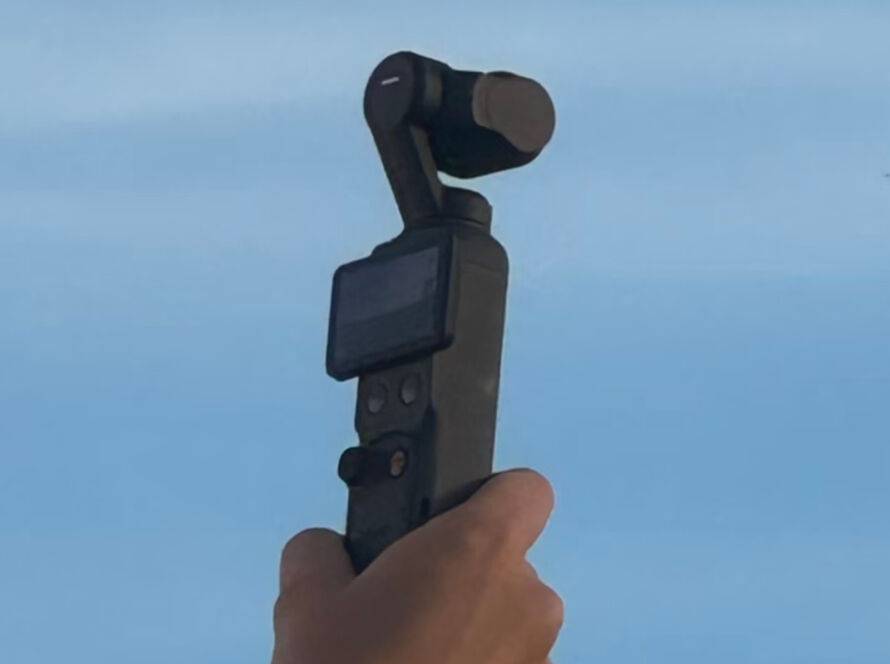
Jordan’s Eastern Desert and Southern regions host some of the largest utility-scale solar photovoltaic (PV) installations in the Middle East. However, operating solar farms in these desert environments presents unique maintenance challenges. Accumulating dust, high ambient temperatures, and electrical stress lead to cell degradation and solar panel hotspots. Deploying thermal-equipped drones has become essential to locate these anomalies rapidly and maintain maximum energy yield.
Quick Summary & Direct Answer
Drone thermal inspections of solar farms in Jordan use radiometric infrared sensors (640×512 resolution) flown over PV arrays to detect temperature anomalies (hotspots, bypassed diodes, and micro-cracks) caused by dust accumulation or cell failure. Ranging from 10x to 50x faster than manual string measurements, drone thermography integrates with specialized software to output georeferenced anomaly reports.
How Thermal Radiometric Scanning Works: Finding Hotspots Instantly
Radiometric thermal sensors measure the absolute temperature of each pixel on a solar panel. When a PV cell degrades or gets blocked by dirt/bird droppings, it can no longer convert sunlight into electricity, dissipating the energy as heat instead. Flown at a precise altitude, a thermal drone captures these temperature spikes as glowing hotspots. This allows maintenance crews to identify failed panels or failing string inverters instantly without checking each panel manually.
The Desert Challenge: Dust, Soiling, and Micro-Cracks in Jordan
Jordan’s desert solar farms, such as those in Mafraq and Quweirah, suffer heavily from soiling (dust buildup). Even minor dust layers can drop panel efficiency by 20% or cause local overheating. Regular drone thermal sweeps help operators schedule targeted cleaning cycles and identify invisible structural micro-cracks caused by wind-driven sand or mechanical strain, preventing long-term panel degradation.
Manual Solar Inspection vs. Thermal Drone Inspection
| Maintenance Metric | Traditional Manual Inspection (Handheld Thermography) | Drone Thermal Radiometric Inspection |
|---|---|---|
| Inspection Speed | Slow (Approx. 2-5 MW of panels inspected per day) | Fast (Up to 50-100 MW of panels scanned per day) |
| Data Coverage | Spot checks (Only testing suspected problematic strings) | 100% Coverage (Every single solar module scanned and logged) |
| Reporting Accuracy | Manual logs (Difficult to locate specific panels on large grids) | Digital Twins (Georeferenced anomaly map overlaying CAD layout) |
| Safety Level | Medium (Technicians walking near high-voltage circuits) | High (Autonomous flight overhead, zero high-voltage contact) |
| Revenue Recovery | Delayed (Faulty panels operate under-efficiency for months) | Immediate (Identified anomalies are replaced within days) |
Partnering with Loyalty Drones for Renewable Energy Maintenance
Loyalty Drones provides certified, utility-scale drone thermal inspections in Jordan. Flown under CARC flight clearances, our thermal imaging payloads detect cell failures and bypassed diodes with high precision, helping PV plant managers protect their assets and maximize power output.
Partner with Loyalty Drones
Maximize the power yield of your solar assets. Contact Loyalty Drones to schedule a professional drone thermal audit.