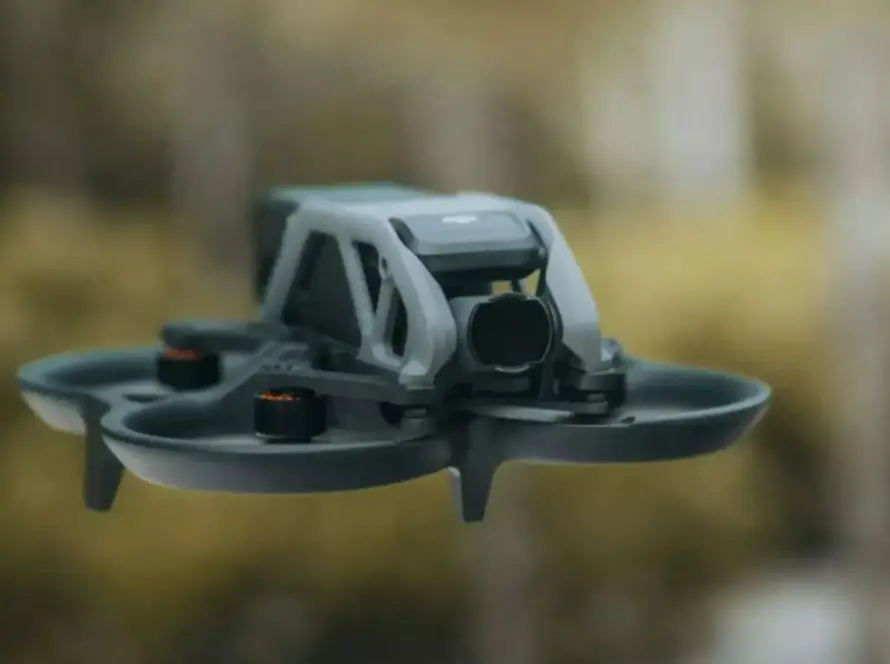
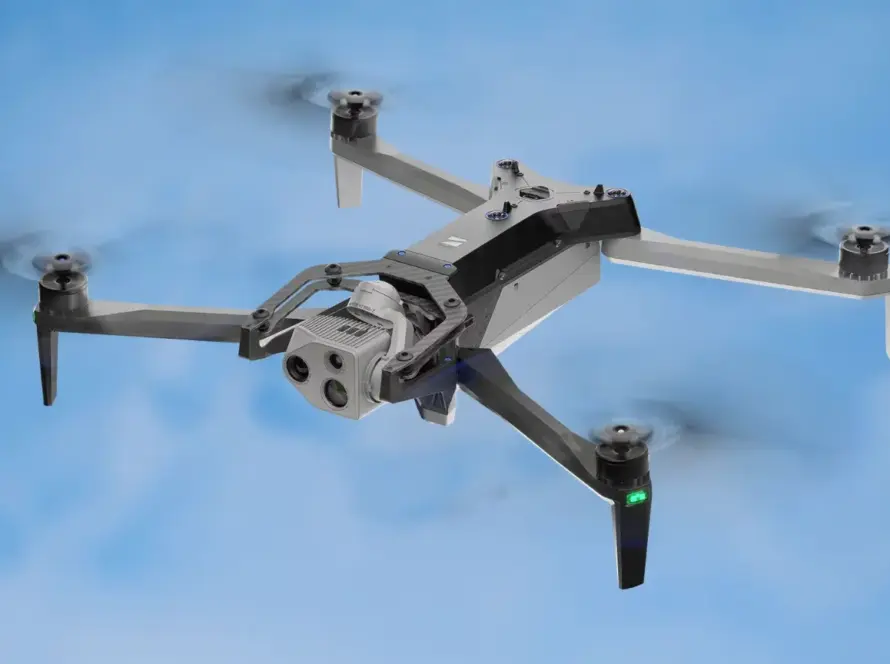
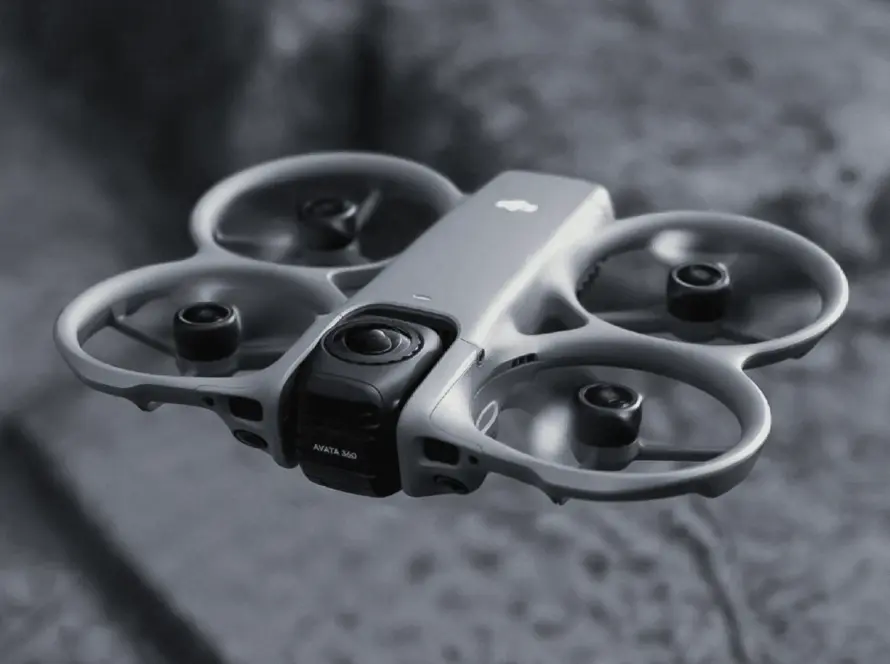
The DJI ban is no longer speculation—it’s an impending reality that will reshape the American drone landscape. Despite earlier skepticism from some quarters, the regulatory framework established by the 2025 National Defense Authorization Act (NDAA) has created a clear pathway for restricting Chinese-made drones in the U.S. market. With 90% of commercial drones in the United States currently manufactured by DJI, this potential ban represents a seismic shift for industries ranging from public safety to agriculture, cinematography to infrastructure inspection.
The situation has evolved dramatically since late 2024, when legislative language initially dismissed by many industry observers has now materialized into a credible threat to DJI’s operations in America. The question is no longer whether restrictions will come, but when they will arrive, how extensive they will be, and what lasting impacts they will have on the commercial and recreational drone ecosystems .
This comprehensive guide examines the latest developments, explains the political mechanisms driving the potential ban, explores practical implications for operators, and offers strategic advice for navigating the uncertain months ahead.
1 The NDAA 2025 Provision: How the Ban Mechanism Works
1.1 The Legislative Framework
At the heart of the current situation is Section 1709 of the 2025 NDAA, titled “Analysis of Certain Unmanned Aircraft Systems Entities.” This provision, signed into law on December 23, 2024, requires a designated U.S. national security agency (such as the Department of Defense, Department of Homeland Security, or Office of the Director of National Intelligence) to determine whether DJI and other Chinese drone manufacturers pose an “unacceptable risk” to national security by December 23, 2025 .
The law specifies that if no agency completes this security review by the deadline, the Federal Communications Commission (FCC) must automatically add DJI to its “Covered List” under the Secure and Trusted Communications Networks Act of 2019. This placement would prohibit new DJI models from receiving necessary FCC equipment authorizations, effectively blocking their importation and sale in the United States .
1.2 The Precedent: Huawei, ZTE, and Hikvision
Historical precedent suggests that placement on the FCC Covered List doesn’t automatically render existing equipment illegal. When Huawei, ZTE, and Hikvision were added to the list in March 2021, their existing products with valid FCC certifications remained legal to import, sell, and operate. The restriction primarily applied to new equipment authorizations, preventing these companies from introducing new models to the U.S. market .
This precedent indicates that currently certified DJI models like the T50 and T100 would likely remain operational even after a potential ban, though future models would be blocked from entering the market. However, the situation remains fluid, and the extent of restrictions could expand depending on political factors .
2 The Political Dynamics: Why DJI Is Struggling to Get a Fair Hearing
2.1 The Challenge of Agency Designation
As of September 2025, a critical obstacle remains: no agency has formally taken responsibility for conducting the mandated security review. DJI has publicly called for the audit to proceed, stating they have “nothing to hide” and welcoming a “rigorous, transparent, and fair audit” . However, the company reports that outreach to intelligence agencies has yielded no response, creating a procedural limbo that increasingly favors restriction proponents .
The ambiguity stems from the NDAA language, which designates “an appropriate national security agency” to conduct the review without specifying which agency bears this responsibility. This has resulted in a bureaucratic stalemate where DJI seeks clarity but receives none from potential reviewing entities .
2.2 Key Political Actors and Lobbying Efforts
The political landscape surrounding the potential ban features several key figures and interest groups:
-
Representative Elise Stefanik: Originally sponsored the Countering CCP Drones Act that evolved into the current NDAA provision. She has declined meetings with DJI representatives, referring to the company as a “communist Chinese front group” .
-
U.S. Drone Manufacturers: Companies like Skydio and BRINC Drones have been accused of lobbying aggressively for restrictions on Chinese drones to gain competitive advantage. While these companies deny direct involvement in ban efforts, they stand to benefit significantly from reduced competition .
-
Senator Rick Scott: Has refused to meet with DJI representatives, calling the company “part of a despicable government that wants to spy on us” .
DJI has invested heavily in lobbying efforts, spending hundreds of thousands of dollars through firms like CLS Strategies and Sidley Austin, plus substantial in-house efforts. Despite this investment, the company reports difficulty securing bipartisan meetings, with DJI’s global policy head describing a “very established group think on China” in Washington .
3 Supply Chain Squeeze: How Import Restrictions Are Already Affecting Availability
3.1 Customs Enforcement and the UFLPA
Beyond the NDAA process, DJI products face increasing pressure from customs enforcement actions related to the Uyghur Forced Labor Prevention Act (UFLPA). Since approximately October 2024, DJI shipments—particularly enterprise models like the Matrice series—have experienced inconsistent customs treatment, with some shipments cleared while others are detained .
This enforcement has created significant supply chain disruptions, with availability swinging from in-stock to completely unavailable for months at a time. The inconsistency poses particular challenges for commercial operators who depend on specific aircraft to fulfill contracts .
DJI has publicly stated that it is compliant with the UFLPA and wants a proper review to demonstrate this compliance. However, the current enforcement environment makes it difficult for the company to prove its case, as patterns remain unpredictable and some shipments are detained without clear explanation .
3.2 Tariff Impacts on Pricing
The tariff environment has further complicated the supply situation. Current duties on Chinese drones total approximately 170% when combining the 25% Section 301 tariff with a 125% reciprocal tariff imposed in April 2025. These tariffs have created a moving target for pricing, with costs fluctuating significantly since January 2025 .
Table: Current Tariff Structure for Chinese Drones
| Tariff Type | Rate | Implementation Date | Note |
|---|---|---|---|
| Section 301 Tariff | 25% | 2018 | Initially imposed during Trump administration |
| Reciprocal Tariff | 125% | April 2025 | Response to Chinese trade practices |
| Total Duties | ~150% | Combined impact |
4 The “Unleashing American Drone Dominance” Executive Order
4.1 Accelerating Domestic Drone Development
In June 2025, President Trump signed the “Unleashing American Drone Dominance” Executive Order, which aims to strengthen the U.S. drone industry through multiple approaches :
-
Streamlined Regulations: Requires the FAA to propose rules for Beyond Visual Line of Sight (BVLOS) operations within 30 days and finalize them within 240 days
-
AI-Powered Approval Processes: Mandates the deployment of artificial intelligence tools to expedite the review of UAS waiver applications under 14 CFR Part 107
-
Domestic Manufacturing Support: Directs all agencies to prioritize U.S.-manufactured drones “to the maximum extent permitted by law”
-
Export Promotion: Orders a review of export control regulations to enable expedited export of U.S.-manufactured civil UAS to foreign partners
4.2 The eVOTL Pilot Program
The order establishes an Electric Vertical Takeoff and Landing (eVTOL) Integration Pilot Program (eIPP) as an extension of the BEYOND program to accelerate deployment of eVTOL operations in the United States. significantly, this program explicitly prioritizes U.S.-developed technology, effectively excluding Chinese manufacturers from participating in this emerging sector .
5 Practical Implications: What the Ban Means for Different User Groups
5.1 Commercial Operators
For commercial operators who depend on DJI equipment for their businesses, the potential ban creates significant operational uncertainty. 70% of the U.S. commercial market currently uses DJI drones, embedding them deeply in workflows across public safety, agriculture, construction, and media production .
A recent survey suggests that 2-in-3 businesses would shut down without access to Chinese-manufactured drones, highlighting the potential economic disruption . Industries like agriculture have particularly embraced DJI technology, with drones like the Agras T25 and T50 becoming essential tools for precision farming .
5.2 Public Safety Agencies
Public safety agencies face particular challenges due to the potential ban. Many law enforcement, fire department, and emergency response teams have integrated DJI drones into their operations:
-
The Asheville Police Department used DJI drones during Hurricane Helen for rescues, damage mapping, and live situational awareness
-
Other agencies have developed data safety protocols to continue using DJI equipment while complying with security concerns
-
Some jurisdictions like Orange County, Florida have halted DJI use entirely following state-level bans
The cost of transitioning to alternative drone platforms presents significant budget challenges for many public safety agencies operating with limited resources.