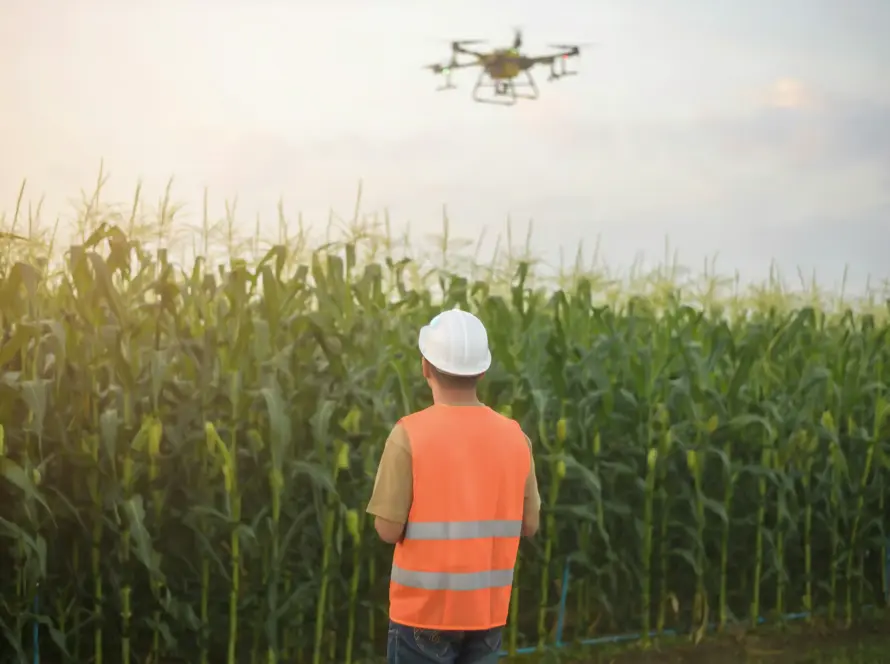
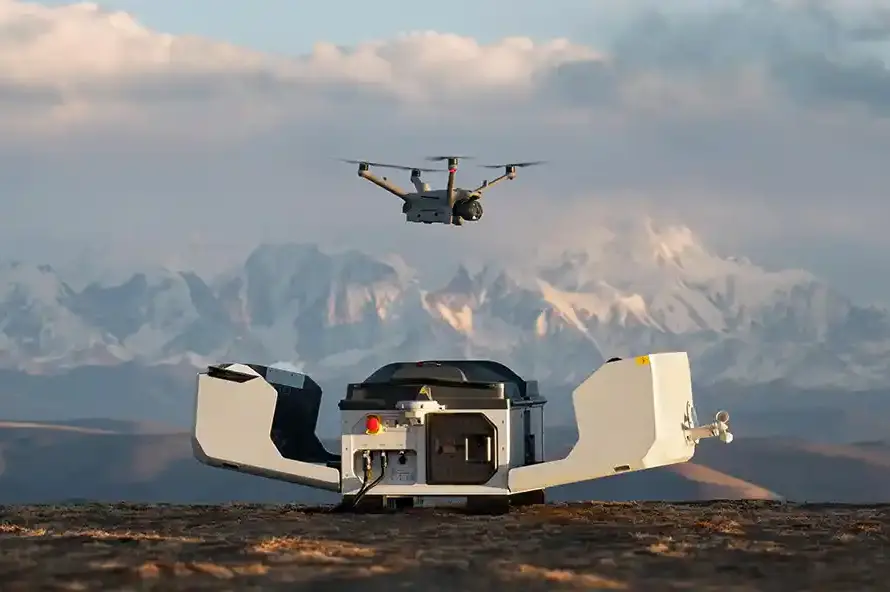
Thermal drone inspections for Jordan manufacturing locate electrical faults, mechanical hotspots, insulation gaps, and roof leaks days or weeks before they cause an unplanned shutdown. A single half-day flight typically scans an entire factory roof, all switchgear corridors, and external piping — work that would take a thermography crew on lifts five days.
Where thermal drones beat ground inspections
Thermal drones win in three places: factory roofs (no scaffold required), high-voltage switchgear yards (no shutdown for live inspection), and large piping/insulation networks (full coverage in one pass). Ground crews still beat drones inside enclosed plant rooms and tight cable cellars.
What anomalies a thermal scan catches
The main targets: hot connections in switchgear (early indicator of arc faults), motor bearing overheating, insulation gaps in chillers and ovens, roof moisture ingress, and external piping leaks. The same flight delivers a heat map for every target on one platform.
Accuracy and limits of thermal inspection
Radiometric sensors deliver ±2°C accuracy on most industrial surfaces — fine for ranking anomalies. Reflective surfaces (bare metal, glass) need a follow-up ground reading. We always flag reflective targets for verification rather than calling them safe.
Best time of day for thermal flights
Early morning or just before sunset is best — surfaces have differentiated heat without solar glare washing the image. For electrical inspections, fly during peak load to catch faults under stress. We plan flight windows around your operations.
Deliverables for your maintenance team
You receive: a tagged orthomosaic with every anomaly pinned, individual radiometric thermal images per finding, a severity ranking (immediate / 30 days / monitor), and a CSV that imports into your CMMS. Maintenance can prioritise in one meeting.
CARC permits for industrial sites
Most Jordan industrial estates sit outside restricted CARC airspace, so permits are routine and processed in days. Sites near the airport, military zones, or refineries take longer; we handle the paperwork either way.
Thermal inspection — typical findings & action
| Finding | Severity | Action window |
|---|---|---|
| Hot connection in switchgear | High | Immediate |
| Motor bearing overheat | High–Medium | 7–30 days |
| Roof moisture ingress | Medium | 30 days |
| Insulation gap in chiller line | Medium | 30 days |
| Minor external piping warm spot | Low | Monitor / next cycle |
Frequently Asked Questions
Do thermal drones require a shutdown?
No — that’s the main advantage. Switchgear, motors, and roofs can be inspected at full load and full production. The drone hovers outside the danger zone and captures live thermal data.
How accurate is the temperature reading?
Radiometric sensors deliver about ±2°C accuracy on industrial surfaces. Reflective surfaces need a follow-up ground reading; we flag those rather than guess.
How long does a factory thermal scan take?
Most factories take half a day of flight time and 2–5 working days to deliver the full report. Larger sites may take a full day of flight.
Does the report integrate with our CMMS?
Yes. We deliver a CSV of all findings with location coordinates, thermal images, and severity — ready to import into common CMMS systems.
Can you scan during summer heat?
Yes, with flight timing adjusted to early morning or early evening to avoid solar glare. Mid-day summer scans are possible but less accurate for surface findings.
Work With Loyalty Drones
Need a thermal inspection scoped for your plant? Contact Loyalty Drones for a free quote. Related reading: drone services in Jordan. drone laws in Jordan.