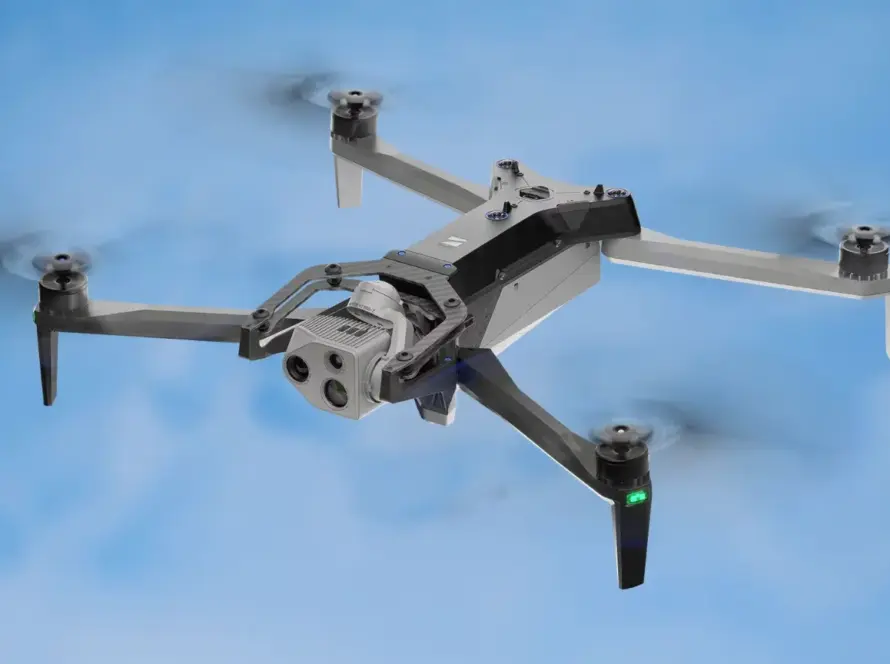
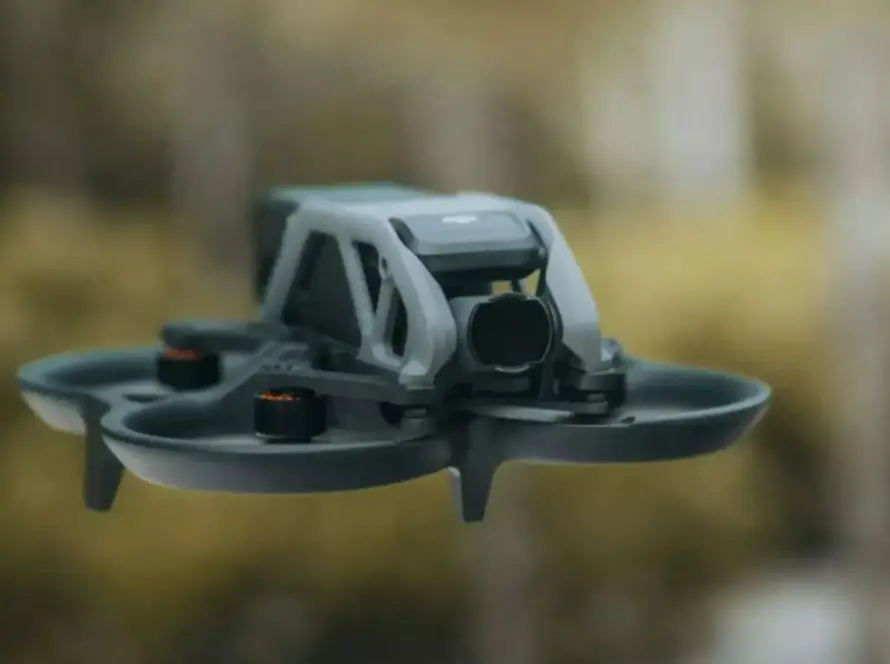
Thermal imaging has long been utilized for industrial drone inspections. However, older thermal sensors suffered from low resolution, yielding blurry images that made it difficult to inspect small electrical components or locate minor heat leaks in building envelopes. In 2026, advancements in thermal sensor manufacturing have made 640×512 radiometric sensors the standard for B2B industrial drone operations, providing clear temperature data.
Quick Summary & Direct Answer
Thermal sensor advancements in 2026 have established 640×512 radiometric sensors as the standard for industrial drone inspections. With four times the pixel resolution of older 336×256 sensors, these advanced cameras record temperature data for every pixel, allowing inspectors to locate electrical faults and building insulation leaks with extreme precision.
The Radiometric Advantage: Measuring Absolute Temperatures
A standard thermal camera only displays relative temperature differences using color palettes. In contrast, a radiometric thermal sensor measures the absolute temperature of every pixel in the image frame. This allows inspectors to analyze georeferenced thermal datasets, calculating exact temperature spikes in string connectors or solar cells during flights, which is crucial for verifying warranty claims.
The 640×512 Resolution Breakthrough: Inspecting from Safe Distances
The transition to a native 640×512 sensor resolution provides a 4x increase in pixel count compared to older entry-level sensors. This extra detail allows drones to fly at safer altitudes above high-voltage power lines or industrial factories while capturing clear, actionable thermal images of small components. This reduces flight safety risks while providing engineering-grade thermal data.
640×512 Radiometric vs. Older 336×256 Thermal Sensors
| Performance Metric | Older 336×256 Thermal Sensor | Advanced 640×512 Radiometric Sensor (2026) |
|---|---|---|
| Total Pixel Count | 86,016 pixels (low detail) | 327,680 pixels (4x increase in detail and sharpness) |
| Measurement Capability | Relative temperature representation only | Absolute radiometric temperature data per pixel |
| Safe Inspection Altitude | Requires flying close to assets, increasing collision risk | Allows safe high-altitude sweeps with clear visual zoom correlation |
| Ideal B2B Application | Basic search and rescue, general insulation audits | Solar cell micro-crack analysis, grid hot spot audits, pipeline leaks |
| Refreshrate / Frame Rate | 9Hz (choppy movement) | 30Hz / 60Hz (smooth panning and video mapping) |
Certified Radiometric Thermal Inspections in Jordan
Loyalty Drones provides professional, certified radiometric thermal inspections in Jordan. By utilizing high-resolution 640×512 thermal sensors on our enterprise drone fleet, we help solar farms, electrical utility grids, and industrial plants optimize operations and detect faults early.
Partner with Loyalty Drones
Protect your B2B industrial assets with precision thermal data. Contact the inspection experts at Loyalty Drones today.