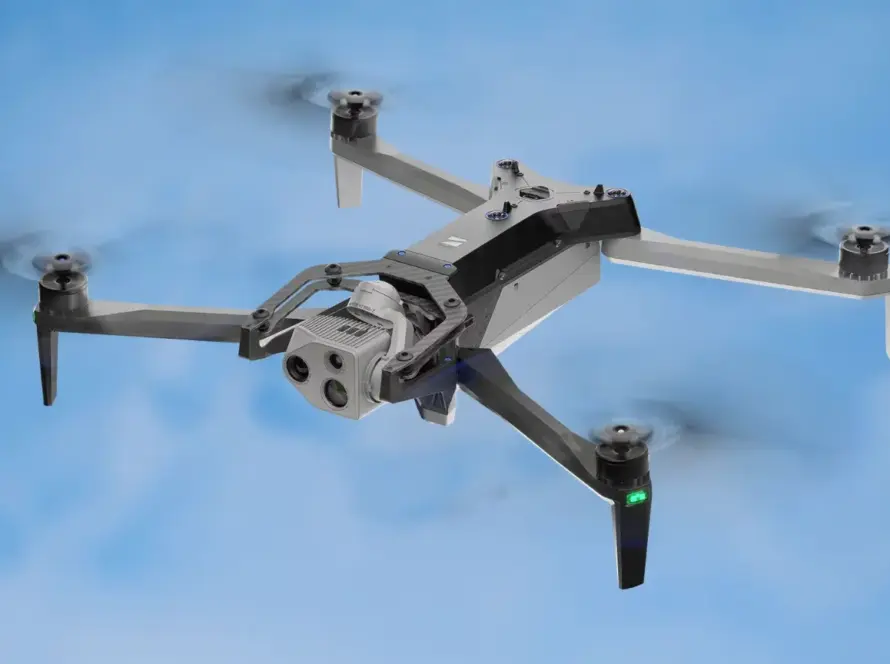
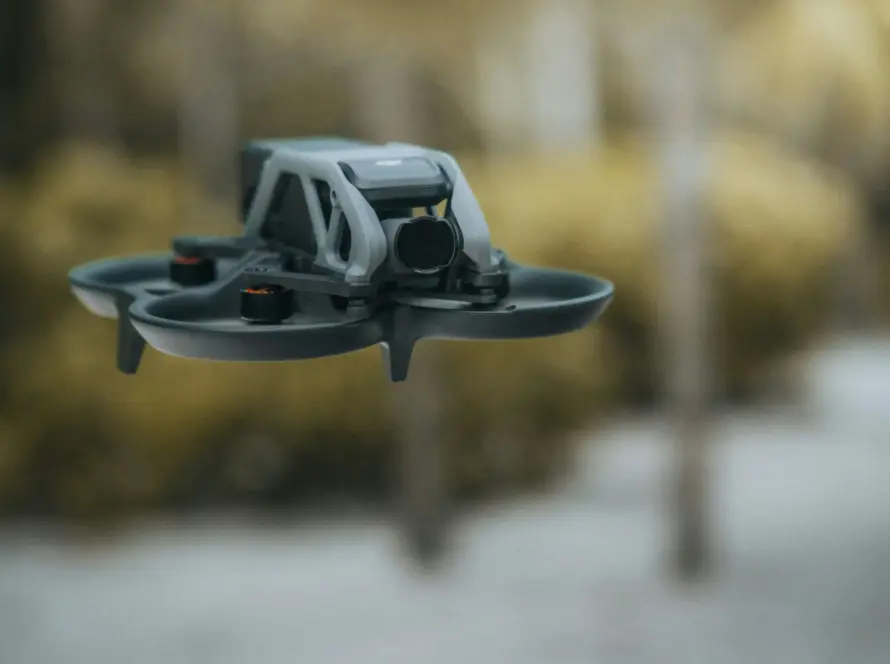
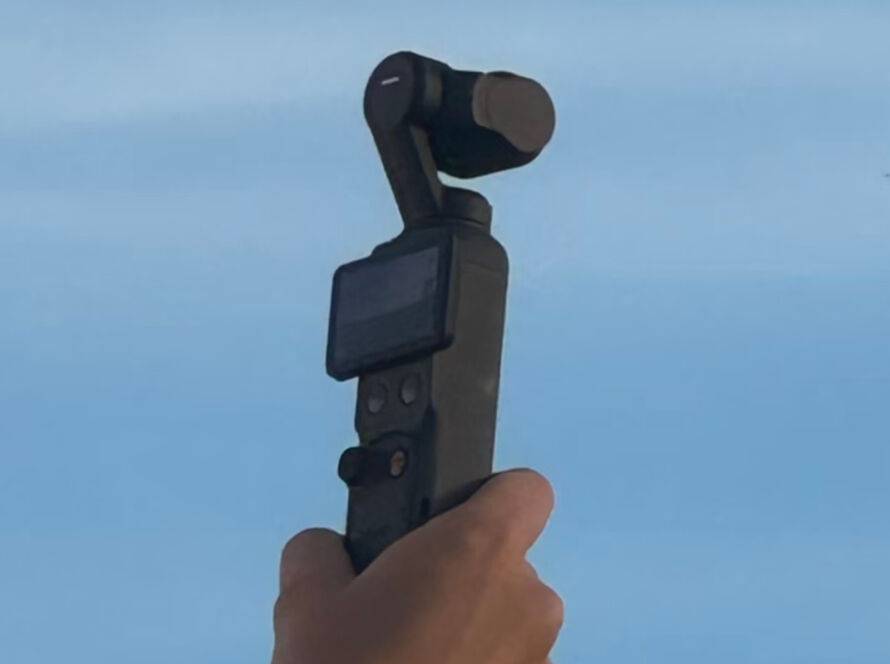
DJI is orchestrating its most aggressive product launch strategy in company history, with four groundbreaking devices set to debut before year-end. The timing isn’t coincidental: with a looming December 23, 2025 FCC deadline threatening to ban new DJI products in the United States, the Chinese drone giant is accelerating releases of the highly anticipated Osmo Pocket 4, Avata 360, Neo 2, and Osmo Action 6.
The Race Against Time: Understanding DJI’s December Deadline
Before diving into the exciting new products, it’s crucial to understand the urgency driving these launches. Under the 2025 National Defense Authorization Act (NDAA), U.S. national security agencies must complete a formal security audit of DJI by December 23, 2025. If no agency conducts this review, DJI will be automatically added to the FCC Covered List, effectively banning new product imports and sales in the United States.
In November 2025, the FCC voted unanimously to expand its ban authority, including the power to retroactively ban previously approved devices and target DJI subsidiary companies. This has created an unprecedented sense of urgency for DJI to launch its newest innovations before the potential ban takes effect.
DJI Osmo Pocket 4: The Dual-Camera Revolution
December 18 Launch: Strategic Timing Before the Ban
The DJI Osmo Pocket 4 represents the most significant upgrade to DJI’s compact gimbal camera lineup, with leaked images and insider reports pointing to a December 18, 2025 announcement – just five days before the critical FCC deadline.
Mass production is reportedly underway, and DJI employees have been spotted conducting real-world field tests in Shenzhen stores, comparing the Pocket 4 head-to-head with the Pocket 3. The strategic timing reflects DJI’s determination to deliver this game-changing device to global markets before potential U.S. import restrictions take effect.
Groundbreaking Dual-Camera System
The most revolutionary feature? A dual-camera configuration that completely reimagines what a pocket-sized gimbal can achieve. Early prototypes reveal:
Primary Sensor: A 1-inch CMOS sensor delivering approximately 12MP with Hasselblad-tuned color science for natural skin tones and cinematic grading. This represents a substantial upgrade over the Pocket 3’s imaging capabilities.
Secondary Telephoto: A powerful 50MP OmniVision OV50R40 sensor measuring 1/1.3-inches, specifically designed for action, vlog, and pocket cameras. This sensor brings professional-grade capabilities including:
-
110dB Single Exposure HDR for exceptional dynamic range
-
In-sensor zoom cropping for flexible framing
-
ISO range extending to 16,000 for still images, enabling low-light photography previously impossible in this form factor
-
8K video recording capability in the sensor’s specifications
Video Performance That Competes With Cinema Cameras
The Pocket 4’s video specifications position it as a serious tool for professional content creators:
-
4K at 240fps for buttery-smooth slow-motion capture
-
8K/30fps recording in boosted mode (rumored)
-
1080p/240fps for high-frame-rate flexibility
-
10-bit D-Log M color profile for professional color grading
-
Full-pixel fast focusing with LiDAR support for rapid, accurate autofocus
-
HDR support for expanded dynamic range in challenging lighting
Enhanced Display and User Experience
DJI has completely redesigned the Pocket 4’s display system to address vlogger needs:
Main Display: A 2.2-2.5 inch rotatable OLED touchscreen with over 800 nits of brightness, ensuring clear visibility even in direct sunlight
Front-Facing Display: A secondary front screen specifically designed for selfie framing and emotion monitoring during interviews, eliminating the guesswork of blind self-recording
Advanced Tracking and Stabilization
The dual-lens arrangement isn’t just about image quality – it fundamentally improves the Pocket 4’s ability to track subjects:
-
ActiveTrack 7.0 with AI-powered improvements for more reliable subject following
-
Enhanced depth perception from dual cameras, allowing the gimbal to lock onto subjects more precisely during walks, pans, and complex movements
-
Improved obstacle tracking, keeping subjects in frame even when they move behind temporary obstructions
-
3-axis gimbal stabilization for smooth, professional footage
Connectivity and Battery Life
The Pocket 4 modernizes connectivity while delivering extended shooting capabilities:
-
Wi-Fi 6 for faster file transfers and remote control
-
Bluetooth 5.2 for seamless accessory pairing
-
USB-C PD fast charging for minimal downtime
-
Extended battery life reaching approximately 180 minutes (3 hours) of recording time
-
Quadrupled internal storage compared to Pocket 3, enabling longer shoots without offloading
Refined Design Philosophy
While slightly taller to accommodate the dual-camera system, the Pocket 4 features a slimmer, more refined profile than its predecessor. The device weighs approximately 190 grams – a 63-gram increase from the Pocket 3’s 179 grams – but the additional weight comes with substantially upgraded capabilities.
Pricing Strategy and Availability
Industry insiders project the following pricing structure:
-
Base Model: $699-$799 (standard Pocket 4)
-
Pro Variant: $899 (expected early 2026 with enhanced zoom capabilities)
-
Pocket 3 Price Drop: Expected to fall to $529 post-launch, creating an attractive budget option
DJI Avata 360: The World’s Most Versatile FPV Drone
DJI’s First True 360-Degree Drone
In one of the most exciting developments of 2025, leaked promotional materials confirm DJI is launching the Avata 360 – the company’s first true 360-degree FPV drone. High-resolution marketing images leaked by trusted DJI insider Igor Bogdanov (@Quadro_News) reveal a production-ready device that could revolutionize aerial cinematography.
Strategic Competition With Insta360
The Avata 360 represents DJI’s direct response to Insta360’s Antigravity A1, which was announced in August 2025 for a January 2026 retail launch. True to form, DJI appears positioned to beat its competitor to market, with the Avata 360 expected to launch in late December 2025 or early January 2026 – potentially before the Antigravity A1 becomes publicly available.
This competitive dynamic mirrors DJI’s response to HoverAir’s X1 selfie drone, which prompted the rapid development and launch of the DJI Neo.
Revolutionary 8K 360° Video Capabilities
The Avata 360 leverages technology from DJI’s recently launched Osmo 360 camera, bringing professional 360-degree capture to the drone market:
Video Recording:
-
8K/50fps panoramic video for ultra-high-resolution immersive footage
-
8K/30fps for extended recording (25-32 minutes continuous)
-
120MP panoramic photos for stunning still imagery
-
10-bit D-Log M color grading for professional post-production flexibility
Sensor Configuration:
-
Twin 1.1-inch sensors inherited from the DJI Osmo 360
-
2.4μm pixel size for exceptional low-light performance
-
13.5 stops of dynamic range for balanced exposure in high-contrast scenes
Dual-Mode Versatility: 360° and Traditional FPV
What truly distinguishes the Avata 360 is its ability to switch between 360-degree capture and traditional FPV flight modes, offering unprecedented creative flexibility:
360° Mode:
-
Complete spherical video capture for “fly first, frame later” workflow
-
Invisible drone effect in footage
-
Perfect for immersive content and virtual tours
Single Lens Mode:
-
5K/60fps flat video with ultra-wide 155° angle
-
4K/120fps in Boost Video mode with 170° field of view
-
Traditional action camera performance for fast-paced content
Innovative Camera Protection Design
Unlike the Insta360 Antigravity A1, which uses mechanical landing legs that extend during touchdown, the Avata 360 employs a camera tilt and rotation mechanism. This innovative system allows the camera to pivot and conceal one lens during landing, protecting the expensive 360° optics without adding the weight and complexity of motorized legs.
This design also enables 180-degree footage capture without visible stitching lines, similar to modern 360 cameras’ dedicated 180° modes.
Advanced Safety and Obstacle Avoidance
The Avata 360 incorporates DJI’s most sophisticated safety systems for a sub-250g aircraft:
-
Omnidirectional obstacle sensing for 360-degree awareness
-
Multiple visual cameras positioned on front and sides
-
LiDAR-assisted detection for enhanced safety in challenging environments
-
Forward-facing infrared sensors for low-light obstacle avoidance
Flight Performance and Control Options
Despite its compact size and advanced camera system, the Avata 360 maintains impressive flight capabilities:
Flight Time: 25-32 minutes of continuous recording at 8K/30fps
Weight Class: Under 250 grams, avoiding registration requirements in most regions
Control Compatibility:
-
DJI Motion 3 controller for intuitive hand-gesture flight
-
DJI Goggles N3 for immersive FPV experience
-
Traditional remote controllers for precision control
Transmission: OcuSync 4.0 or next-generation O4+ protocol for reliable, long-range video feed
Comprehensive Pricing Structure
Based on leaked information and industry analysis, the Avata 360 pricing is expected to be:
-
Standard Bundle: $1,099-$1,299 (drone, battery, basic accessories)
-
Fly More Combo: $1,299-$1,399 (additional batteries, spare propellers, carrying case)
-
Creator/Pro Kit: $1,400-$1,599 (ND filters, creative mounts, premium accessories)
-
Enterprise Package: $1,600-$1,899 (commercial-grade accessories and support)
Avata 360 vs. Avata 3: Two Different Products
It’s important to note that the Avata 360 is a separate product from the traditional Avata 3, which is expected to launch in summer 2026. The Avata 3 will feature a 1-inch sensor and traditional FPV capabilities without 360° recording, serving as the direct successor to the Avata 2.
DJI Neo 2: The Ultimate Beginner Drone Goes Global
Official Global Launch (Except United States)
On November 13, 2025, DJI officially launched the Neo 2 to international markets, following its initial Chinese release in late October. This ultra-compact follow-me drone represents a significant upgrade over the original Neo, packing impressive new features into its 151-gram frame.
Pricing by Region:
-
Canada: $230 USD
-
United Kingdom: £209
-
Europe: €239
-
Australia: AUD 410
-
Japan: ¥38,400
-
Fly More Combo: $400/£350/€400
-
Motion Fly More Combo: $550/£510/€580
Notably, the Neo 2 is not officially available in the United States due to the pending FCC ban, though some retailers in Canada are listing prices in USD, potentially hinting at cross-border purchasing options.
Major Camera and Gimbal Upgrade
The Neo 2 addresses one of the original Neo’s biggest weaknesses with a completely redesigned camera system:
Imaging Hardware:
-
12MP 1/2-inch CMOS sensor with f/2.2 aperture for improved image quality
-
2-axis gimbal stabilization – a first for the Neo series, delivering significantly smoother footage
-
4K video at up to 100fps for high-quality slow-motion
-
2.7K vertical video recording optimized for social media platforms
The addition of a proper gimbal represents a game-changing upgrade, transforming the Neo 2 from a fun toy into a legitimate content creation tool.
Revolutionary Safety Features
DJI has equipped the Neo 2 with obstacle avoidance capabilities typically found on much larger, more expensive drones:
Obstacle Detection Systems:
-
Omnidirectional monocular vision sensors providing 360-degree awareness
-
Forward-facing LiDAR for enhanced low-light obstacle detection
-
Downward infrared sensors for precise altitude control and landing
-
Full 360° infrared sensors for comprehensive protection
Early reviewers have praised the obstacle avoidance system, noting it successfully navigated complex environments including cycling paths with trees, narrow corridors, and outdoor obstacles.
Enhanced Flight Performance
The Neo 2 delivers substantially improved flight characteristics compared to its predecessor:
Speed and Agility:
-
12 m/s tracking speed in open areas – nearly double the original Neo’s 8 m/s capability
-
5 m/s top speed in sports mode (original: 2 m/s)
-
Eight-direction tracking: forward, backward, left, right, and four diagonal paths
Environmental Resistance:
-
Level 5 wind resistance (up to 10.7 m/s or ~25 km/h)
-
Significantly improved stability compared to the original Neo, which struggled in breezes
Flight Time: Up to 19 minutes per battery
Intelligent Control Options
The Neo 2 maintains the original’s ease-of-use while adding more sophisticated control methods:
Control Methods:
-
Palm takeoff and landing – no controller needed
-
Gesture control for basic maneuvers
-
Voice control for hands-free operation
-
Smartphone app control via DJI Fly
-
DJI RC-N3 remote controller for up to 10km transmission range
-
Motion controller and goggles for immersive FPV flying
Expanded Storage and Connectivity
DJI doubled the internal storage capacity and improved data transfer speeds:
-
49GB internal storage (up from 22GB in the original Neo)
-
Wi-Fi transfer speeds up to 80MB/s for quick file offloading
Intelligent Shooting Modes
The Neo 2 includes DJI’s full suite of automated filming features:
-
Enhanced ActiveTrack for reliable subject following
-
Dolly Zoom for cinematic effects
-
QuickShots for automated creative moves
-
MasterShots for fully automated multi-angle sequences
-
SelfieShot with automatic framing adjustments for waist-up, full-body, or long shots
Critical Reception
Early reviews from major tech publications have been overwhelmingly positive:
TechRadar stated DJI “took selfie drones to new heights with the Neo 2,” highlighting the combination of obstacle sensing, simple flight modes, and compact size.
Engadget reported the Neo 2 offers meaningful upgrades and, if widely available, “will effectively have no competition at its price point”.
Reviewers consistently praised the improved tracking, quieter operation compared to the original, and the addition of proper stabilization.
DJI Osmo Action 6: World’s First Variable Aperture Action Camera
November 18 Official Launch
On November 18, 2025, at 12 PM GMT, DJI officially launched the Osmo Action 6, marking a significant milestone in action camera technology. The company has already released official teasers and early review units to content creators, confirming this is DJI’s most ambitious action camera to date.
Revolutionary Variable Aperture System
The Osmo Action 6 introduces a world-first feature for action cameras: a variable aperture lens ranging from f/2.0 to f/4.0. This groundbreaking technology allows the camera to automatically adjust light intake based on shooting conditions, providing:
-
40% better light gathering compared to the Action 5 Pro
-
Automatic depth-of-field control without external ND filters (though they may still be beneficial in extreme conditions)
-
Adaptive exposure optimization for changing lighting environments
Upgraded Sensor and Imaging Capabilities
DJI equipped the Action 6 with substantially improved imaging hardware:
Sensor:
-
1/1.1-inch square CMOS sensor – larger than the Action 5 Pro’s 1/1.3-inch sensor
-
Square format optimized for horizontal and vertical recording without cropping
-
Exceptional low-light performance with 40% improved light capture
Video Recording:
-
8K/30fps with HDR and ProRes RAW support
-
5.3K/60fps for high-resolution smooth footage
-
4K/120fps in 4:3 format for maximum flexibility
-
1080p/240fps super slow-motion
-
10-bit D-Log M color profile for professional color grading
-
4K/60fps Super Night Mode for clean low-light footage
Dynamic Range: 13.5 stops for balanced exposure in high-contrast scenes
Next-Generation Stabilization
The Action 6 introduces RockSteady 4.0 with AI-powered horizon leveling, delivering:
-
Super Stabilizer 3.0 technology for smooth footage in extreme conditions
-
360° HorizonSteady for perfectly level horizons regardless of camera orientation
-
4K HorizonSteady support for stabilized ultra-wide shots
Enhanced Display System
DJI upgraded both front and rear displays for improved usability:
Display Configuration:
-
Front Display: 1.4-inch OLED for selfie framing and quick monitoring
-
Rear Display: 2.25-inch OLED for detailed control and playback
-
Dual touch interface for intuitive operation in any orientation
Extended Battery Life and Durability
The Action 6 dramatically improves endurance and environmental resistance:
Battery Performance:
-
1950mAh capacity – 40% larger than Action 5 Pro
-
4+ hours of continuous 4K recording
-
Hot-swappable design for uninterrupted extended shoots
-
Fast charging: 80% charge in just 22 minutes
Durability:
-
20m waterproof without any housing
-
60m waterproof with protective case
-
-20°C to 45°C operating temperature range
-
Gorilla Glass protection for screens
Modern Connectivity
The Action 6 features cutting-edge connectivity for fast workflows:
-
Wi-Fi 7 for ultra-fast wireless transfers
-
Bluetooth 5.3 for seamless accessory pairing
-
USB-C 3.1 with 600MB/s data transfer speeds
-
50GB internal storage for extended recording without cards
-
Rumored smartwatch integration for remote control and monitoring
Competitive Pricing
DJI has positioned the Action 6 aggressively against competitors like GoPro:
Confirmed Pricing:
-
Standard Combo: €379 / £329 / ~$379 (camera, battery, quick-release mount, protective frame)
-
Adventure Combo: €479 / £419 / ~$479 (adds extra batteries and chest strap)
Note: US pricing is estimated and subject to final adjustments due to tariffs and the FCC ban situation.
Market Position
The Osmo Action 6 directly challenges the GoPro Hero 13 Black while undercutting its price point. With superior sensor size, variable aperture, longer battery life, and more internal storage, the Action 6 positions DJI as the clear leader in action camera technology.
Comprehensive Product Comparison Table
| Feature | Osmo Pocket 4 | Avata 360 | Neo 2 | Osmo Action 6 |
|---|---|---|---|---|
| Launch Date | Dec 18, 2025 (rumored) | Late Dec 2025/Early Jan 2026 | Nov 13, 2025 (LAUNCHED) | Nov 18, 2025 (LAUNCHED) |
| Primary Sensor | 1-inch (12MP) | Twin 1.1-inch | 1/2-inch (12MP) | 1/1.1-inch square |
| Max Video | 4K/240fps, 8K/30fps | 8K/50fps 360° | 4K/100fps | 8K/30fps |
| Key Innovation | Dual-camera system | First DJI 360° drone | LiDAR + 2-axis gimbal | Variable aperture f/2-f/4 |
| Stabilization | 3-axis gimbal | Digital + modes | 2-axis gimbal | RockSteady 4.0 AI |
| Battery/Flight | ~180 min | 25-32 min | 19 min | 4+ hours |
| Weight | ~190g | <250g | 151g | TBD |
| Price (Base) | $699-$799 | $1,099-$1,299 | $230-$239 | €379/£329/$379 |
| Target User | Vloggers, creators | FPV pilots, 360° creators | Beginners, families | Action sports, pros |
Strategic Context: The December 23 FCC Ban Deadline
All these product launches must be understood within the context of DJI’s race against the FCC deadline:
Current Ban Status
Timeline of Events:
-
December 2024: 2025 NDAA signed into law with DJI review trigger
-
Early 2025: U.S. Customs begins delaying DJI shipments under Uyghur Forced Labor Prevention Act
-
Spring 2025: FCC suspends new equipment authorizations for DJI pending NDAA review
-
June 2025: DJI releases white paper on privacy, security, and ethical supply chain practices
-
July 2025: No federal agency schedules formal DJI audit
-
October 28, 2025: FCC votes 3-0 to grant itself retroactive ban authority
-
November 2025: DJI accelerates product launches before December deadline
-
November 10, 2025: DJI launches public advocacy campaign with 43-day countdown
-
December 23, 2025: Automatic ban takes effect if no audit completed
What the Ban Means
If the audit is not completed by December 23, 2025:
-
New Product Ban: DJI products containing radio transmitters cannot be imported or sold in the US
-
Retroactive Bans Possible: The FCC can now revoke authorizations for previously approved devices
-
Shell Company Restrictions: DJI cannot circumvent bans through subsidiary companies
-
No Right to Appeal: Automatic addition to Covered List without evidence review
DJI’s Response Strategy
DJI’s accelerated product timeline reflects several strategic objectives:
-
Launch Before Ban: Get new products to market before December 23 cutoff
-
Build Inventory: Allow retailers to stock devices before import restrictions
-
Global Focus: Pivot to non-US markets where no restrictions exist
-
Public Advocacy: Mobilize drone community to pressure for fair audit
Impact on Consumers
If You’re in the United States:
-
Existing DJI drones remain legal to fly recreationally
-
Software updates may become limited
-
New models after December 23 likely unavailable through official channels
-
After-market support and repairs may be restricted
-
No access to DJI Care Refresh or warranty services for banned products
If You’re Outside the United States:
-
Full access to all new DJI products
-
Normal software updates and support
-
Complete warranty and care programs
Frequently Asked Questions (FAQs)
General Questions About New DJI Products
Q1: What is the release date for the DJI Osmo Pocket 4?
A: Based on leaked information from multiple trusted sources, the DJI Osmo Pocket 4 is expected to launch on December 18, 2025. This date positions the release strategically before the December 23 FCC deadline. Mass production is reportedly underway, and field testing has been observed in Shenzhen, China.
Q2: Will the DJI Avata 360 work as a regular FPV drone?
A: Yes! One of the Avata 360’s most innovative features is its ability to switch between 360-degree mode and traditional single-lens FPV mode. In single-lens mode, it can capture 5K/60fps or 4K/120fps with a 155-170° field of view, functioning exactly like a traditional FPV drone. This dual-mode capability makes it incredibly versatile for different shooting scenarios.
Q3: Is the DJI Neo 2 available in the United States?
A: Unfortunately, the DJI Neo 2 is not officially available in the United States due to the pending FCC ban. DJI has launched the Neo 2 globally in the UK, Europe, Canada, Australia, Japan, and other markets, but has skipped the US release due to current political and regulatory conditions. US customers may face limited access to authorized sales, support, or warranty services if they acquire the device through alternative channels.
Q4: What makes the DJI Osmo Action 6 different from previous models?
A: The Action 6 introduces the world’s first variable aperture system (f/2.0-f/4.0) in an action camera, providing 40% better light gathering than the Action 5 Pro. It also features a larger 1/1.1-inch sensor, 8K/30fps recording with ProRes RAW, RockSteady 4.0 stabilization, 4+ hours battery life, and 50GB internal storage. These upgrades position it as the most technologically advanced action camera on the market.
Technical Specifications Questions
Q5: What sensor does the DJI Osmo Pocket 4 use?
A: The Pocket 4 features a revolutionary dual-camera system. The primary camera uses a 1-inch sensor (approximately 12MP) with Hasselblad color tuning, while the secondary telephoto camera employs a 50MP 1/1.3-inch OmniVision OV50R40 sensor capable of 8K recording and 110dB HDR.
Q6: How long can the DJI Avata 360 fly on a single battery?
A: The DJI Avata 360 can record continuously for 25-32 minutes at 8K/30fps, depending on flight conditions and recording settings. This represents excellent endurance for a sub-250g drone with advanced 360-degree recording capabilities.
Q7: Does the DJI Neo 2 have obstacle avoidance?
A: Yes! The Neo 2 features comprehensive obstacle avoidance including omnidirectional monocular vision sensors, forward-facing LiDAR, downward infrared sensors, and full 360° infrared detection. This represents a massive upgrade over the original Neo, which had no obstacle avoidance whatsoever. Early reviews praise the system for successfully navigating complex environments.
Q8: Can the DJI Osmo Action 6 shoot in 8K?
A: Absolutely! The Action 6 can record 8K video at 30fps with HDR and ProRes RAW support, making it one of the few action cameras capable of true 8K capture. It also supports 5.3K/60fps, 4K/120fps, and 1080p/240fps.
Pricing and Availability Questions
Q9: How much will the DJI Osmo Pocket 4 cost?
A: Based on leaked pricing information, the base model is expected to cost $699-$799. A Pro variant with enhanced zoom capabilities may launch in early 2026 for approximately $899. Following the Pocket 4 launch, the Pocket 3 is expected to drop to around $529, creating an attractive budget option.
Q10: What is the price of the DJI Avata 360?
A: Leaked pricing suggests the following structure:
-
Standard Bundle: $1,099-$1,299
-
Fly More Combo: $1,299-$1,399 (extra batteries, propellers, case)
-
Creator/Pro Kit: $1,400-$1,599 (ND filters, mounts, premium accessories)
-
Enterprise Package: $1,600-$1,899 (commercial accessories)
Q11: How much does the DJI Osmo Action 6 cost?
A: Confirmed pricing for the Action 6 is:
-
Standard Combo: €379 / £329 / ~$379
-
Adventure Combo: €479 / £419 / ~$479
Note that US pricing is estimated pending final tariff adjustments.
Q12: When can I buy these new DJI products?
A:
-
DJI Neo 2: Available now in most global markets (November 13, 2025 launch)
-
DJI Osmo Action 6: Available now (November 18, 2025 launch)
-
DJI Osmo Pocket 4: Expected December 18, 2025
-
DJI Avata 360: Expected late December 2025 or early January 2026
Feature Comparison Questions
Q13: Should I buy the DJI Neo 2 or wait for a different drone?
A: The Neo 2 is ideal if you prioritize:
-
Ultra-portability (151g)
-
Beginner-friendly operation with gesture/voice control
-
Comprehensive obstacle avoidance
-
Budget-friendly pricing ($230-$239)
-
Social media content creation
However, consider alternatives if you need:
-
Longer flight times (19 min may be limiting)
-
Professional video features (lacks D-Log M)
-
Manual flight controls for advanced techniques
-
Higher resolution than 4K
Q14: Osmo Pocket 4 vs Osmo Pocket 3: Which should I choose?
A: Choose the Pocket 4 if you:
-
Need superior low-light performance (larger sensors)
-
Want 4K/240fps slow-motion capability
-
Require 8K recording option
-
Shoot frequently indoors or in challenging light
-
Need improved subject tracking (dual cameras)
Choose the Pocket 3 if you:
-
Have budget constraints (expected $529 after Pocket 4 launch)
-
Shoot primarily for social media (4K/60fps sufficient)
-
Prefer smaller file sizes for easier editing
-
Don’t need cutting-edge specs
-
Want proven, reliable technology
Q15: How does the DJI Avata 360 compare to the Insta360 Antigravity A1?
A: Key differences:
DJI Avata 360 Advantages:
-
Larger 1.1-inch sensors (vs 1-inch on A1)
-
Can switch to traditional FPV mode
-
Camera rotation mechanism protects lenses during landing
-
DJI’s proven obstacle avoidance technology
-
Integration with DJI ecosystem (goggles, controllers)
Insta360 Antigravity A1 Advantages:
-
Mechanical landing legs ensure full 360° coverage always
-
Insta360’s post-processing software expertise
-
Motion-sensitive grip controller innovation
-
Focus purely on 360° capture (simpler use case)
Both drones are under 250g and shoot 8K 360° video, making the choice largely about ecosystem preference and specific workflow needs.
US Ban Related Questions
Q16: Will my existing DJI drone stop working after December 23, 2025?
A: No, your existing DJI drones will continue to function normally for recreational use. The ban only affects new product imports and sales. However, you may experience:
-
Limited or no software updates after the ban
-
Restricted access to cloud services
-
No warranty or DJI Care Refresh for repairs
-
Difficulty obtaining replacement parts
Q17: Can I still fly DJI drones commercially after the ban?
A: The situation is complex and evolving. While recreational use appears safe, commercial operations may face additional restrictions depending on how government agencies implement the ban. Commercial drone pilots should:
-
Monitor FAA and FCC guidance closely
-
Consider developing contingency plans with alternative platforms
-
Consult with legal counsel for commercial operations
-
Join industry advocacy groups like the Drone Advocacy Alliance
Q18: Will DJI products become unavailable globally?
A: No, the ban only affects the United States. DJI products will remain fully available with complete support in:
-
Europe
-
United Kingdom
-
Canada
-
Australia
-
Asia
-
Middle East
-
Africa
-
Latin America
In fact, DJI continues to launch products globally, as evidenced by the November 2025 releases.
Future Products Questions
Q19: When will the DJI Avata 3 be released?
A: The DJI Avata 3 (the traditional FPV successor to Avata 2, not the 360° model) is expected to launch in summer 2026, likely between June and August. Early leaks suggest it will feature a 1-inch sensor for dramatically improved image quality, a sleeker design without bulky bumpers, and enhanced flight capabilities. It’s a separate product line from the Avata 360.
Q20: Are there any other DJI products coming in 2025-2026?
A: Beyond the products covered in this article, rumors suggest:
-
DJI Osmo Mobile 8: Already launched in China, global release completed
-
DJI Mic 3 Pro: Wireless microphone system expected late 2025
-
DJI Mini 5 Pro: Already launched with 1-inch sensor and rotating camera
-
DJI Air 4: Rumored for late 2025/early 2026 with extended flight time
-
DJI Mirrorless Camera: DJI’s first interchangeable lens camera system (timeline unclear)
-
DJI Power 2000: Portable power station (timeline unclear)
Conclusion: DJI’s Bold Play in Uncertain Times
DJI’s aggressive product launch strategy in late 2025 represents both the company’s innovative strength and the existential challenge it faces in the U.S. market. The Osmo Pocket 4, Avata 360, Neo 2, and Osmo Action 6 collectively showcase DJI’s technological dominance across multiple product categories – from compact gimbals to 360-degree FPV drones to professional action cameras.
The timing of these releases, concentrated in the final months of 2025, reflects DJI’s determination to deliver cutting-edge technology to creators worldwide before potential U.S. import restrictions take effect on December 23, 2025. Whether you’re a professional filmmaker, adventure vlogger, FPV pilot, or casual content creator, DJI’s latest offerings push technological boundaries while maintaining the user-friendly design philosophy that made the company an industry leader.
For creators outside the United States, these products represent an exciting evolution of aerial and handheld cinematography tools. For U.S.-based creators, they may represent the last wave of DJI innovation readily available through official channels, making purchasing decisions in November and December 2025 particularly significant.
As the December 23 deadline approaches, one thing remains certain: DJI continues to innovate relentlessly, delivering products that redefine what’s possible in compact camera and drone technology.
Stay Updated: For the latest DJI product news, official announcements, and detailed reviews, bookmark this page and follow DJI’s official channels. The landscape of drone and camera technology is evolving rapidly, and 2025 has proven to be one of the most consequential years in the industry’s history.