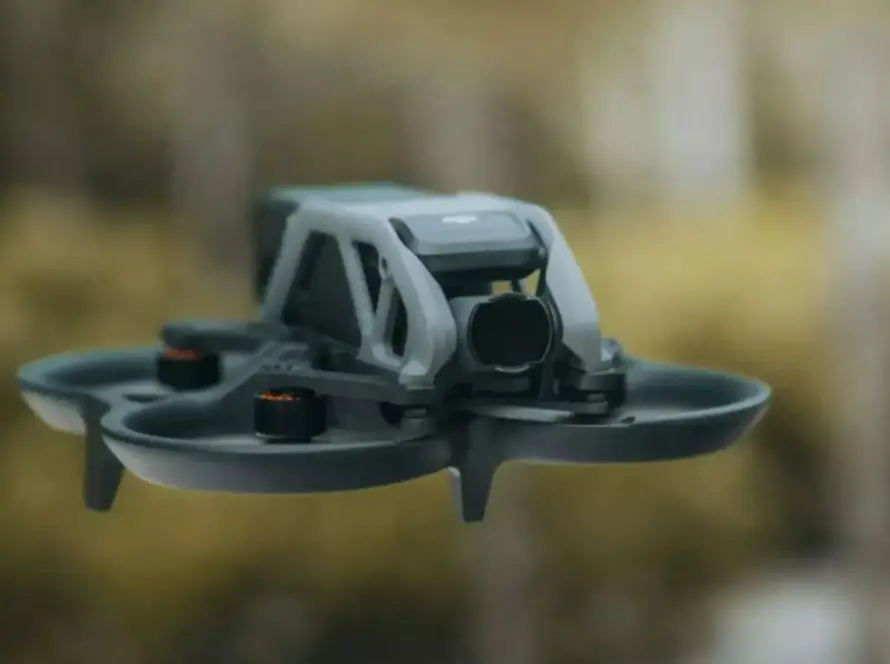
For modern enterprises in construction, agriculture, and energy, aerial data is a powerful asset for improving productivity and safety. However, building an in-house drone division requires significant capital investments in hardware, pilot licensing, insurance, and regulatory compliance. The Drones as a Service (DaaS) business model solves this by allowing companies to outsource their aerial mapping, inspection, and filming needs to specialized drone providers.
Quick Summary & Direct Answer
The Drones as a Service (DaaS) business model allows organizations to acquire high-precision aerial datasets and reports on a subscription or per-project basis. By outsourcing operations, clients eliminate capital expenditure on drone fleets and shift regulatory compliance and pilot management liabilities to certified drone service companies.
Eliminating Capital Expenditures and Regulatory Liability
Investing in professional commercial drones, LiDAR sensors, and thermal cameras requires substantial initial capital. Additionally, the rapid pace of technology means hardware quickly becomes obsolete. Under the DaaS model, businesses convert these heavy capital expenditures (CAPEX) into predictable operational expenditures (OPEX). Furthermore, the complex responsibilities of securing flight clearances, maintaining liability insurance, and keeping pilots certified are transferred entirely to the DaaS provider, allowing the client to focus on data analysis and core business objectives, minimizing legal and operational overheads.
Accessing Specialized Payloads and Expert Analysis
Different industrial projects require different aerial payloads. An agricultural survey requires multispectral sensors, while a solar field audit demands radiometric thermal cameras, and a construction site requires high-accuracy RTK photogrammetry. A DaaS provider maintains a diverse fleet of specialized drones to match every project. Additionally, DaaS companies employ experienced geospatial analysts who process raw data into actionable reports, delivering high-value insights directly to the client’s engineering or management teams, ensuring professional quality without the hassle of internal staff training.
In-House Drone Program vs. Drones as a Service (DaaS) Model
| Operational Aspect | In-House Drone Program | Drones as a Service (DaaS) |
|---|---|---|
| Initial Capital Cost | High (Purchasing commercial drones, sensors, and software) | Zero (Pay-as-you-go subscription or project fee) |
| Regulatory Compliance | Complex (Client manages pilot licenses, CARC/FAA permits) | Handled (Service provider manages all permits and clearances) |
| Technology Obsolescence | High Risk (Client absorbs the cost of updating old hardware) | None (Service provider continuously updates drone fleet) |
Accelerating Industrial Digitalization in Jordan
Jordan’s corporate sector, spanning mining firms in the south, agricultural farms in the Jordan Valley, and major engineering firms in Amman, is recognizing the value of the DaaS model. Loyalty Drones is the premier provider of Drones as a Service in the Kingdom. We deliver turnkey aerial solutions that handle the entire workflow—from secure local CARC flight approvals to high-resolution geographic data processing—helping Jordanian businesses digitize their assets without the overhead of operating their own drone fleets, reducing costs and accelerating timelines.
Partner with Loyalty Drones
Scale your operations and get accurate aerial data without the capital investment. Contact the DaaS specialists at Loyalty Drones today.