The Federal Aviation Administration (FAA) has transitioned from policy implementation to strict enforcement of Remote ID regulations in 2026. Designed as a digital license plate for drones, Remote ID requires aircraft to broadcast identification, location, and altitude data in real-time. For commercial operators, non-compliance now carries heavy penalties, making Remote ID alignment essential for legal flights.
Quick Summary & Direct Answer
The FAA is actively enforcing Remote ID regulations in 2026. All drones over 250 grams must broadcast identification and telemetry data via integrated or add-on Remote ID modules. Fines for non-compliance can exceed $10,000, and operators risk pilot license suspension under strict enforcement protocols.
What is Remote ID Broadcasting: Protocol Specifications
Remote ID operates by broadcasting radio frequency signals (via Wi-Fi or Bluetooth) containing the drone’s serial number, current latitude/longitude, altitude, velocity, and the GPS coordinates of the ground controller (the pilot). This allows local law enforcement and aviation authorities to monitor airspace traffic and verify pilot details using receiver apps, enhancing public safety.
Integrated vs. Add-On Broadcast Modules: Fleet Upgrades
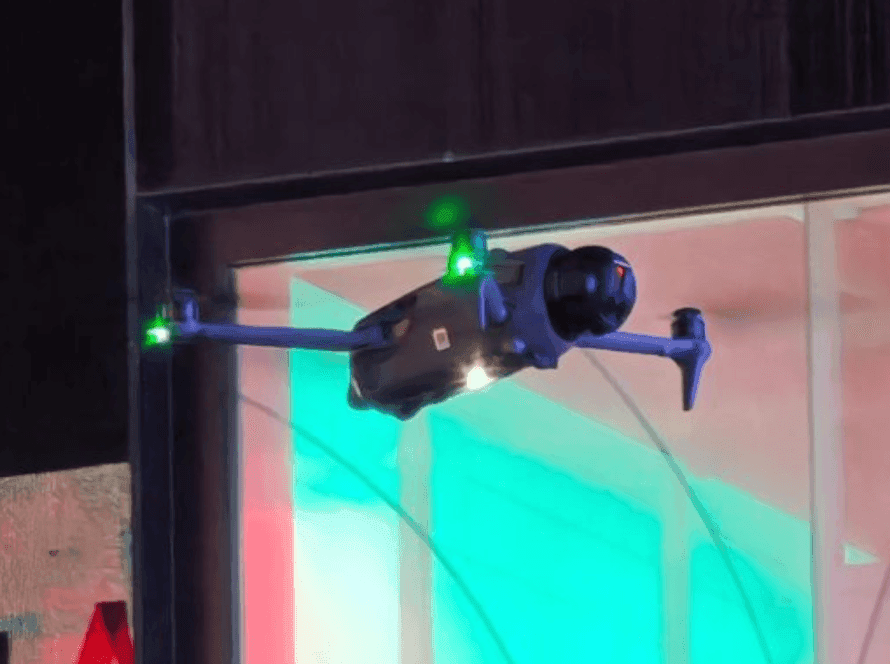
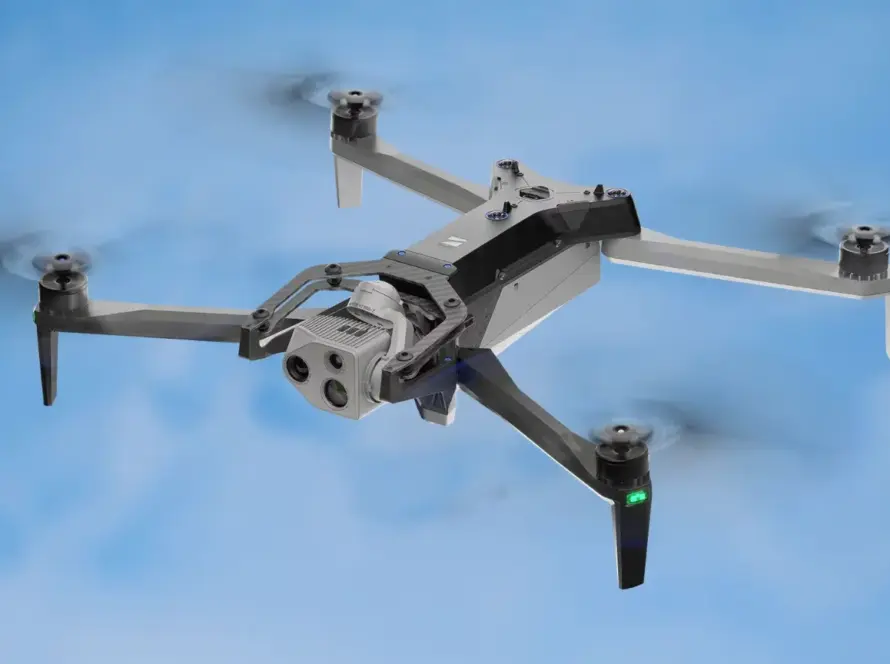
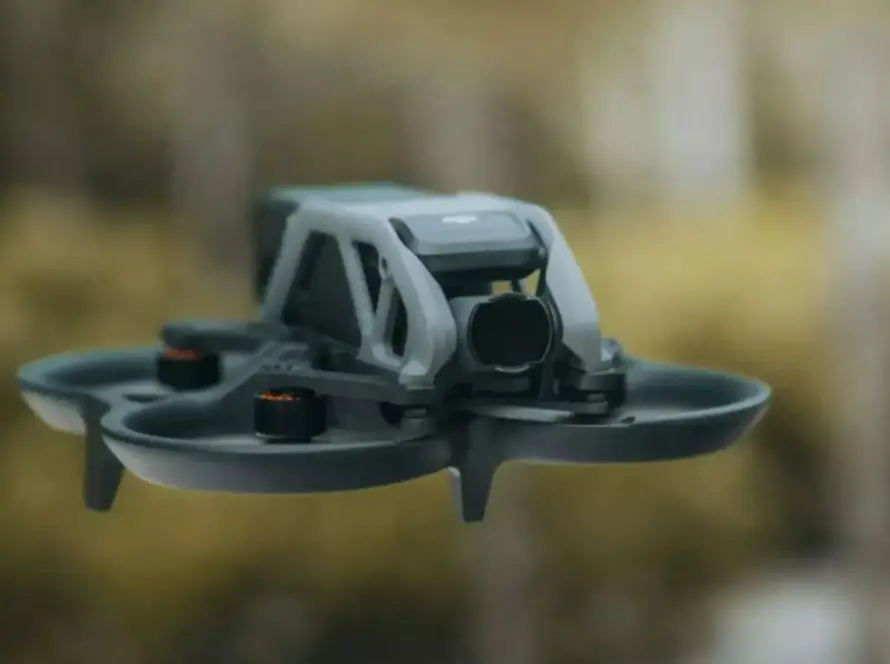
Most modern commercial drones (such as the DJI Mavic 3 Enterprise or Mini 5 Pro) feature integrated Remote ID hardware that activates automatically upon startup. For older legacy aircraft, operators must purchase and mount external, FCC-approved Remote ID broadcast modules (such as those from Dronetag). These modules must carry their own power source and be linked to the drone’s FAA registration profile.
FAA Remote ID Compliance Checkpoints (2026)
| Compliance Metric | Requirement under FAA Law | Potential Fine / Penalty |
|---|---|---|
| Drone Weight Threshold | All drones over 250g must broadcast Remote ID | Confiscation of equipment, warning letters |
| Broadcast Signal | Continuous Wi-Fi/Bluetooth beacon broadcast during flight | Fines up to $10,000 for operating without active beacon |
| Registration Link | Remote ID serial must link to pilot’s FAA profile | Suspension or revocation of Part 107 commercial license |
| Operating Zone | Must fly in designated FAA-Recognized Identification Areas if no beacon | Immediate grounding of flight, local security citation |
UAV Operational Safety Standards with Loyalty Drones
At Loyalty Drones, we follow international aviation safety and compliance guidelines. Our entire commercial fleet is equipped with active remote identification and is registered under civil aviation registries, guaranteeing that our clients in Jordan and the Middle East receive safe, fully compliant aerial services.
Partner with Loyalty Drones
Partner with a professional operator committed to absolute compliance and safety. Contact Loyalty Drones today.