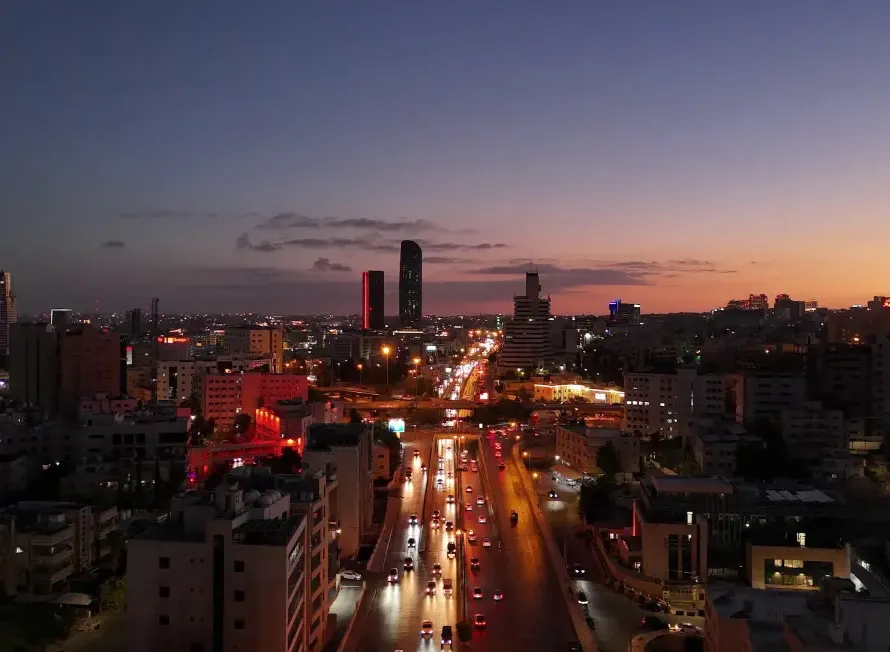
Amman is a mountainous city built at high elevation, with several highlands—such as Jabal Amman, Jabal El Weibdeh, and the high towers of Abdali—rising over 1,000 meters above sea level. Operating drones in these rugged highlands presents unique physical and meteorological challenges. Lower air density, sudden wind gusts through urban corridors, and cold winter temperatures demand specific flight protocols to ensure safety.
Quick Summary & Direct Answer
High-altitude drone flight in Amman requires specific care due to thin mountain air, which reduces rotor lift and battery efficiency by up to 20%. Pilots operating under Civil Aviation Regulatory Commission (CARC) guidelines must monitor dynamic wind shear in urban corridors and utilize pre-warmed batteries to prevent mid-flight voltage drops during cold Amman winters.
Air Density and Aerodynamics: The High-Altitude Lift Penalty
At higher elevations, the air density is significantly lower than at sea level. This thin air means that drone propellers have less air molecules to push against, forcing the motors to spin faster to maintain a stable hover. This increased motor speed draws more power from the battery, reducing total flight times and accelerating wear on electronic speed controllers (ESCs). Pilots must adjust flight schedules to account for shorter battery runs.
Wind Shear and Urban Micro-Climates: Managing Gusts
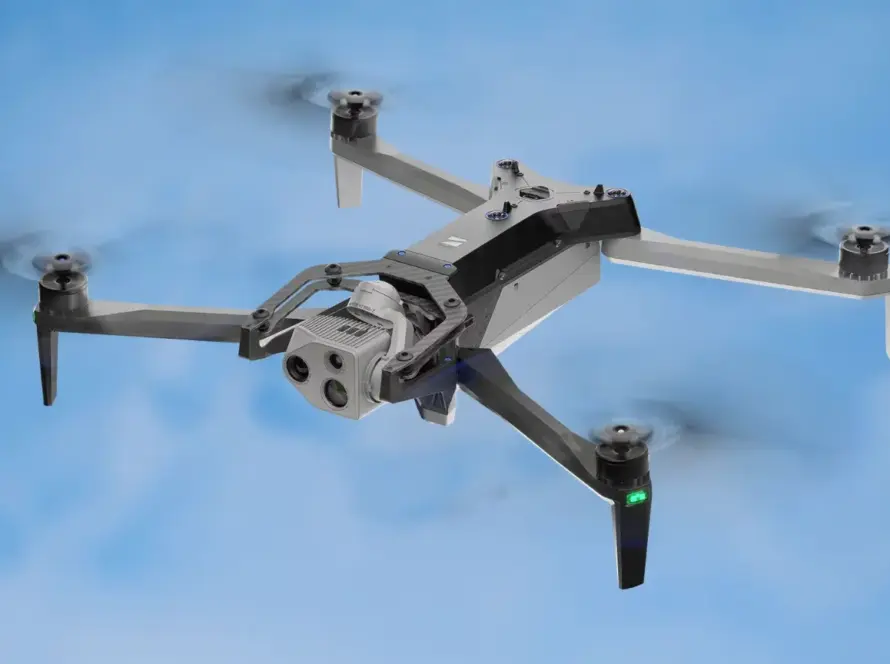
Amman’s valleys and high towers create micro-climates where wind speeds can double instantly. As wind passes between tall buildings, it accelerates due to the venturi effect, creating dangerous wind shear. Flight crews must utilize commercial-grade drones with high wind resistance (rated up to 12-15 m/s) and monitor real-time wind speeds at the launch site, maintaining a safe distance from building facades.
High-Altitude Flight Factors for Amman Operations
| Altitude Challenge | Impact on Drone Performance | Required Pilot Mitigation Strategy |
|---|---|---|
| Lower Air Density | Reduced lift, increased motor RPM, shorter battery flight times | Reduce payload weight, plan shorter flight routes (under 30 mins) |
| Urban Wind Shear | Turbulence, drift, collision risks near high-rise towers | Select drones with wind resistance over 12 m/s, keep distance from buildings |
| Low Temperatures | Rapid battery chemical cooling, sudden voltage drops in mid-air | Use active battery pre-heaters, land early if battery temp drops below 15C |
| Signal Blockage | Radio frequency reflection from concrete hills and steel towers | Deploy signal boosters, maintain strict line-of-sight visual paths |
Safe Mountain Flight Operations with Loyalty Drones
At Loyalty Drones, we are experienced in navigating Amman’s complex highland weather. Our pilots use industrial drones with robust wind handling and carry out strict pre-flight checks, ensuring that your commercial mapping or filming project is completed without delay or incident.
Partner with Loyalty Drones
Conduct safe, reliable drone flights in Amman’s challenging terrain. Contact the flight operations team at Loyalty Drones today.