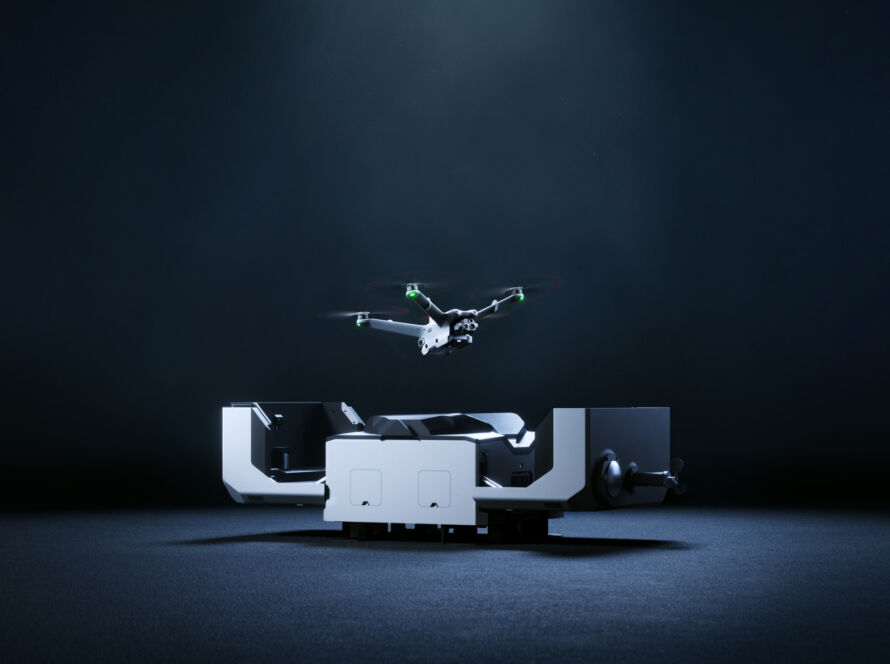
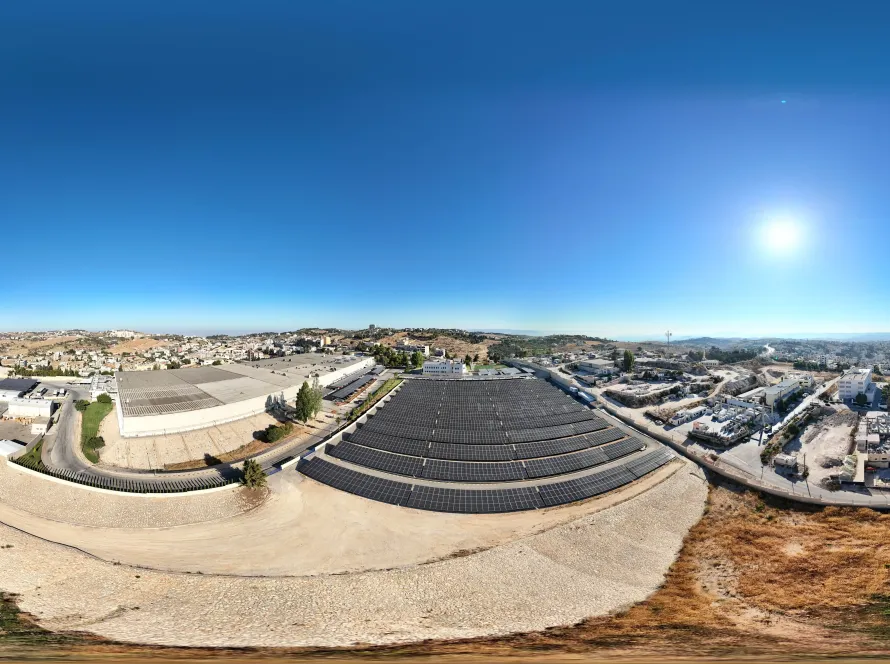
Powerline and telecom tower drone inspection in Jordan finds insulator faults, conductor damage, antenna misalignment, and structural issues without sending climbers up the tower or shutting down service. A single morning flight inspects multiple towers or several kilometres of transmission line — work that traditionally took days of climber crews.
Why utilities and telcos in Jordan are switching to drones
Three reasons: safety (no climbers exposed to height/RF/voltage), speed (10x throughput vs climbers), and frequency (inspect every six months instead of every three years). Together they catch faults earlier, cut outage risk, and reduce insurance premiums.
Powerline inspection — what drones see
Visual inspection finds: cracked or contaminated insulators, conductor strand damage, hardware corrosion, vegetation encroachment, and tower structural defects. Thermal adds: hot connections, hotspots on conductors, and insulator leakage current — early indicators of imminent faults.
Telecom tower inspection — what drones see
For telecom: antenna alignment vs design, mount integrity, cable routing and securing, lightning protection condition, climber-safety equipment status, and tower paint/coating condition. All photographed at high resolution for documentation.
Live-circuit inspection — no service shutdown
The biggest operational win is inspecting live circuits. Drones fly outside the safety envelope of conductors, capturing high-resolution and thermal imagery without de-energising the line. The utility never loses customers; the inspection never adds an outage.
Deliverables your asset team can act on
You receive: a tagged orthomosaic of the inspected area, high-resolution images per asset, thermal images per anomaly, a CSV of findings with GPS and severity, and a written assessment for each finding. Format matches common CMMS imports.
Pricing for utility/telecom drone inspection
Powerline drone inspection in Jordan runs 100–200 JOD per km for visual and 150–300 JOD per km with thermal. Telecom tower inspections run 200–400 JOD per tower. Multi-site programmes get a discounted per-unit rate.
Powerline / telecom drone — findings and action
| Finding | Severity | Action window |
|---|---|---|
| Cracked insulator | High | Replace within 30 days |
| Hot connection (thermal) | High | Investigate immediately |
| Conductor strand damage | Medium | Plan repair next outage |
| Antenna misalignment | Medium | Re-align next maintenance |
| Vegetation encroachment | Medium | Clear before storm season |
| Coating degradation | Low | Schedule re-coat |
Frequently Asked Questions
Does inspecting live powerlines require an outage?
No — drones fly outside the safety envelope of energised conductors. Inspection happens during normal operation; no customer outage required.
How accurate is thermal on conductors?
Radiometric drones deliver ±2°C accuracy on conductor surfaces, sufficient to identify hot connections and ranking severity. Critical findings get a follow-up close visual confirmation.
How fast is a typical powerline drone inspection?
10–20 km of transmission line per flight day, depending on conductor count and access. Standard reports delivered within 5–10 working days.
Can drones inspect 132 kV / 400 kV lines?
Yes — we have established procedures for high-voltage line inspection at the safety distances required. We coordinate with the operator’s control room before flight.
How often should towers be inspected?
Most Jordan operators move from a 3-year visual cycle to a 6-month drone cycle. Frequency catches faults months earlier and reduces emergency repair costs significantly.
Work With Loyalty Drones
Have transmission lines or towers to inspect? Contact Loyalty Drones for a free quote. Related reading: thermal drone inspections for Jordan manufacturing. drone services in Jordan.