The drone industry is experiencing unprecedented growth in 2025, with the global drone market size estimated at USD 73.06 billion in 2024 and projected to reach USD 163.60 billion by 2030, growing at a CAGR of 14.3% from 2025 to 20301. This explosive expansion is driven by groundbreaking technological innovations, AI integration, and the arrival of game-changing products that are reshaping aerial photography, commercial applications, and consumer expectations.
As we navigate through August 2025, the drone landscape has been transformed by major releases, regulatory shifts, and technological breakthroughs that promise to define the next decade of unmanned aviation. From DJI’s highly anticipated 2025 lineup including the Mavic 4 Pro, Mini 5 Pro, and a new foldable drone called the Flip2, to the emergence of military-grade autonomous systems, this comprehensive guide explores the latest developments that are captivating enthusiasts and professionals worldwide.
Breaking: DJI Mavic 4 Pro – The Flagship Revolution
Official Launch and Availability
DJI has officially unveiled the highly anticipated Mavic 4 Pro, a drone packed with groundbreaking features that are turning heads across the industry, though U.S. buyers are facing significant hurdles due to tariffs and supply chain disruptions3. The drone was released internationally in May 2025, following months of speculation and leaks.
Groundbreaking Specifications
The Mavic 4 Pro represents a quantum leap in drone technology with its revolutionary features:
Camera System Excellence:
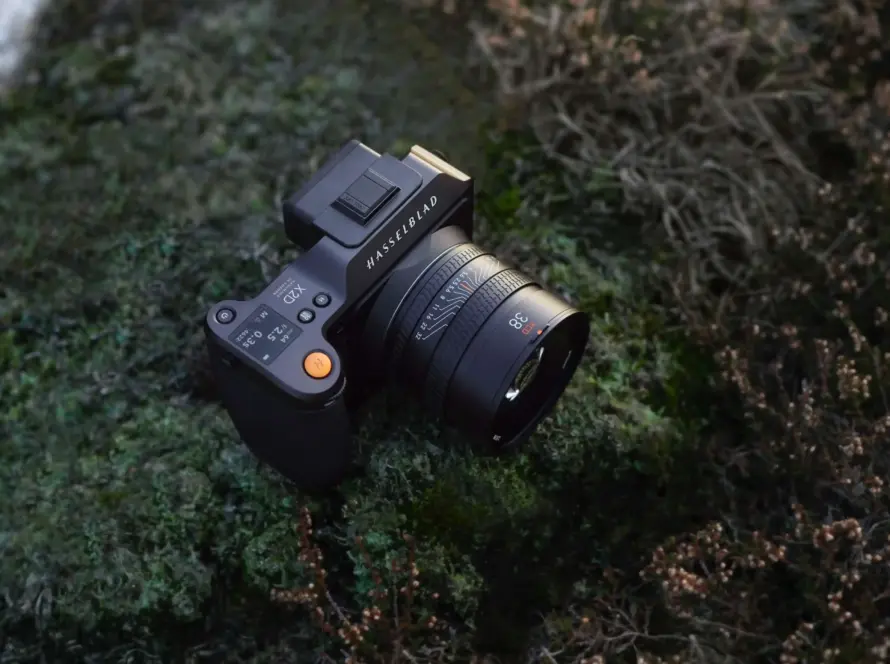
- 100MP Hasselblad Main Camera with stunning detail and clarity, featuring a versatile f/2.0 to f/11 aperture for exceptional low-light performance3
- Triple Camera System featuring 28mm, 70mm, and 168mm focal lengths, enabling everything from wide landscapes to detailed close-ups3
- The Hasselblad 4/3 CMOS main camera supports dual native ISO, Hasselblad Natural Color Solution, and full-resolution 6K/60 fps HDR video recording with an impressive dynamic range of approximately 16 stops4
Revolutionary Gimbal Technology:
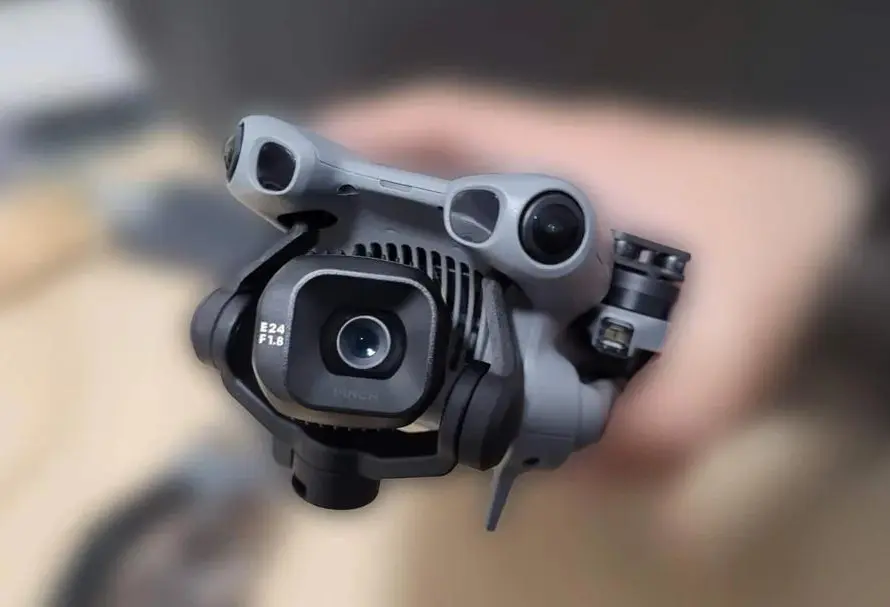
- Infinity Gimbal offering full 360° rotation, unlocking creative shooting angles previously impossible on a compact drone3
- The camera can tilt upwards +80º preventing camera bumps while flying fast and can do 360º shots without a hole in the sky, also useful for photogrammetry or inspections5
Extended Flight Performance:
- Flight time of 52 minutes (advertised)6
- Charging of three DJI Mavic intelligent flight batteries takes only 90 minutes with the leaked 240W charger specs6
Pricing and Package Options
The DJI Mavic 4 Pro (with DJI RC2) costs $2,250, the Fly More Combo (With DJI RC2) costs $3,200, and the 512GB Creator Combo with the all new DJI RC PRO 2 Controller costs $4,4006.
U.S. Market Challenges
The drone is not available for sale in the United States at launch due to recent escalation of U.S. tariffs on Chinese-made drones, which have raised import costs by as much as 170%, and even after a temporary reduction to 30%, these tariffs combined with new customs restrictions have made it difficult for DJI and U.S. retailers to import and sell the Mavic 4 Pro3.
DJI Mini 5 Pro: The Ultralight Champion (Coming Soon)
Expected Release Timeline
The DJI Mini 5 Pro is anticipated for a summer 2025 release, with leaks pointing to significant upgrades while maintaining the sub-250g weight class2. Based on DJI’s track record, it will likely trouble our best drones list, reportedly adding vented motors and LiDAR sensors to the feature set of the Mini 4 Pro7.
Leaked Specifications
The Mini 5 Pro promises to revolutionize the sub-250g category with:
- A possible one-inch camera sensor, a significant upgrade from the Mini 4 Pro, with advanced LiDAR obstacle avoidance, 50 minutes of flight time, and a 25 km range2
- Vertical shooting modes and AI-powered tracking, perfect for social media content creation2
DJI Flip: The Game-Changing Compact Drone
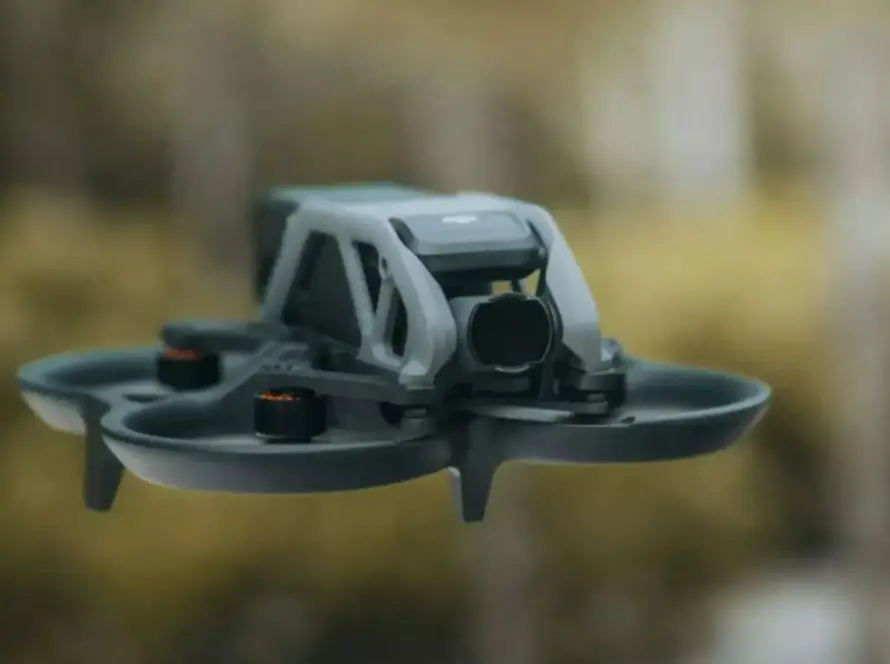
The DJI Flip, detailed in leaks, is a compact, foldable drone rumored for early 2025 with about 30 minutes of flight time, FPV capabilities, and cellular connectivity via a dongle for extended operation2. Recent leaks suggest that DJI is working on a tiny, foldable drone that could fold down into a pocketable size with O4 video transmissions, propeller guards like the DJI Neo and possibly Lidar collision avoidance8.
Military and Enterprise Innovations
Kratos XQ-58 Valkyrie: Marine Corps Adoption
The U.S. Marine Corps has made the Kratos XQ-58 Valkyrie drone a new program of record, with the drone becoming “the first CCA [Collaborative Combat Aircraft] in production and fielded for the Marines”9. The Valkyrie is low-cost, lightweight and flexible, can fly long range at high subsonic speeds and drop bombs, fly stealth surveillance missions, and can be manufactured quickly and fly in swarms to augment U.S. airpower9.
DJI Enterprise Updates
DJI Enterprise released a teaser video possibly hinting at a new commercial-grade inspection drone set to launch on June 10, 2025, at 8 AM EDT10. The DJI Matrice 400, also known as the DJI M400, a highly anticipated commercial drone from the leading manufacturer, has been making waves since its initial coverage earlier this year10.
Industry Trends and Market Analysis
AI Revolution in Drones
Experts predict that artificial intelligence (AI) and automation will play a critical role in 2025, with AI-powered navigation and real-time data processing reducing human intervention while improving efficiency across industries. AI is transforming drones, making them more autonomous for tasks in agriculture and construction, using AI to analyze data from sensors, enabling real-time decisions for crop monitoring, field mapping, and site surveying, which enhances filming capabilities by providing high-quality aerial footage with minimal human intervention11.
Market Growth Projections
The global market is projected to reach US$57.8 billion by 2030, up from an estimated US$40.6 billion in 2025, with the largest segment being the commercial service market projected to generate US$29.4 billion by 2025, and the second largest and fastest-growing segment being commercial hardware, valued at US$6.7 billion as of 202512.
Regional Market Dynamics
The North America drone industry dominated the market in 2024 with a share of over 39%, with the U.S. drone industry expected to grow at a CAGR of 13% from 2025 to 20301. Asia-Pacific, led by China’s low-altitude-economy initiatives, is expected to generate the largest absolute revenue gain thanks to a 15.27% CAGR13.
Regulatory Developments and BVLOS Operations
With the passage of the FAA Reauthorization Act of 2024, experts anticipate movement toward Beyond Visual Line of Sight (BVLOS) operations through rulemaking rather than waiver-based operations. BVLOS operations are expanding, with the FAA working on regulations to allow drones to fly beyond the operator’s line of sight, with an NPRM delayed to January 2025, expected to finalize within twenty months11.
Emerging Applications and Use Cases
Drone Delivery Services
Drones with advanced payload capacities, up to 2KG, are revolutionizing delivery services, particularly for last-mile logistics, with the delivery drones market projected to reach $10.47 billion by 2030, with a 42.6% CAGR11.
Entertainment and Light Shows
Drone light shows offer customizable visuals, impacting the entertainment industry by replacing traditional displays11, creating new opportunities for event planners and entertainment companies worldwide.
Agricultural Revolution
In agriculture, AI-powered drones are projected to grow the market to $10.45 billion by 2030, improving efficiency in resource use and crop health assessment11.
What to Expect Next: Future Releases and Rumors
DJI’s Continued Innovation
It’s more likely than not that we’ll see new additions to DJI’s Air and Mini lineups in 2025, with the first leak of the potential Air 4 in early testing, and Mini 5 Pro leaks picking up since December, meaning it could likely be the next camera drone DJI releases after the Mavic 4 Pro14.
Technology Advancements
Drones are becoming more autonomous thanks to advances in artificial intelligence, machine learning, and better onboard processing, enabling fully autonomous flights for tasks like surveillance, mapping, or delivery without direct pilot control.
Investment and Market Opportunities
The drone industry has received substantial investment, with an average of USD 27.2 million per funding round, with over 2000 investors participating in more than 7000 funding rounds15. Specialist vendors like Skydio chase defense and critical-infrastructure clients who prioritize anti-jam resilience and AI precision over unit price; Skydio’s USD 170 million Series E round underscores investor confidence in this premium tier13.
Conclusion: The Sky’s the Limit
The drone industry in 2025 stands at a transformative juncture, with revolutionary products like the DJI Mavic 4 Pro leading the charge into a new era of aerial innovation. Despite challenges including U.S. market restrictions and regulatory hurdles, the industry continues to soar with technological breakthroughs in AI autonomy, extended flight times, and unprecedented imaging capabilities.
As we look toward the remainder of 2025 and beyond, the convergence of AI, 5G connectivity, and regulatory progress promises to unlock new possibilities in commercial applications, from precision agriculture to urban air mobility. Whether you’re a professional filmmaker seeking the ultimate aerial platform, a commercial operator requiring enterprise-grade reliability, or an enthusiast eager to explore the latest technology, the current generation of drones offers unprecedented capabilities that were mere dreams just years ago.
The future of flight is autonomous, intelligent, and more accessible than ever – and it’s happening right now.