Jordan’s rich history is documented in decades of archival film and early low-resolution digital video. Restoring this footage for modern documentaries and broadcast requires advanced processing tools. Topaz Video AI 2026 introduces groundbreaking neural networks specifically trained to reconstruct degraded details, remove film grain artifacts, and upscale vintage aerial recordings to crisp 4K resolution, making historical archives production-ready.
Quick Summary & Direct Answer
Topaz Video AI 2026 uses temporal motion models and deep learning to upscale historical footage. By analyzing neighboring frames, it reconstructs missing details, reduces compression noise, and stabilizes camera shake, allowing filmmakers to convert standard-definition archives into high-quality 4K assets for modern broadcast.
AI-Powered Temporal Refinement and Detail Recovery
The primary strength of Topaz Video AI 2026 lies in its ability to process video temporally rather than frame-by-frame. Traditional upscalers often create a plastic look by simply stretching pixels and smoothing edges. Topaz uses specialized models like Proteus and Gaia to analyze motion across multiple frames, separating genuine textures from compression artifacts and camera noise. This results in natural recovery of facial features, architectural patterns, and landscape details in historical footage that once seemed permanently blurred and unusable. The temporal processing ensures that movement remains fluid without introducing artifacts.
Restoring Vintage Drone and Aerial Footage
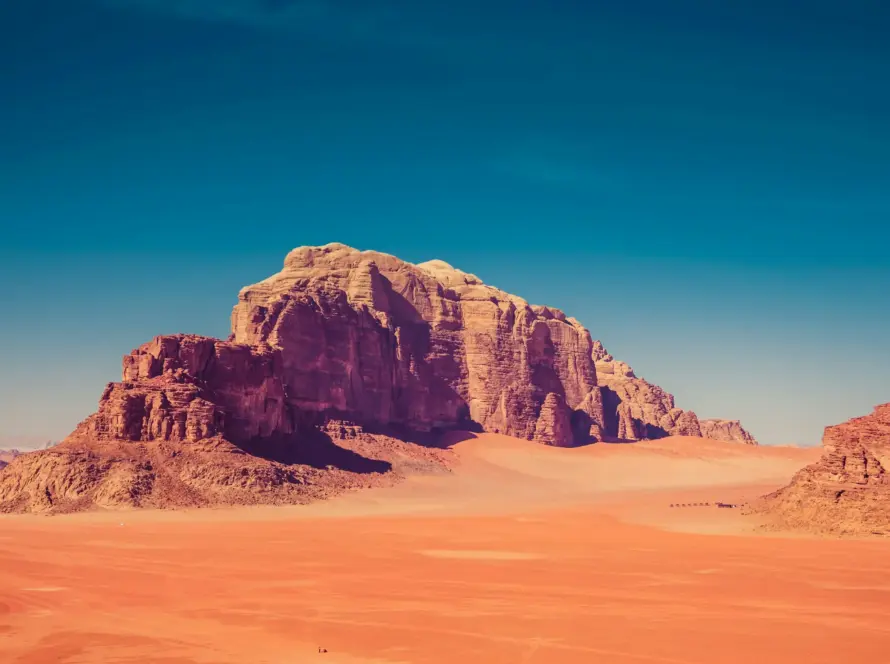
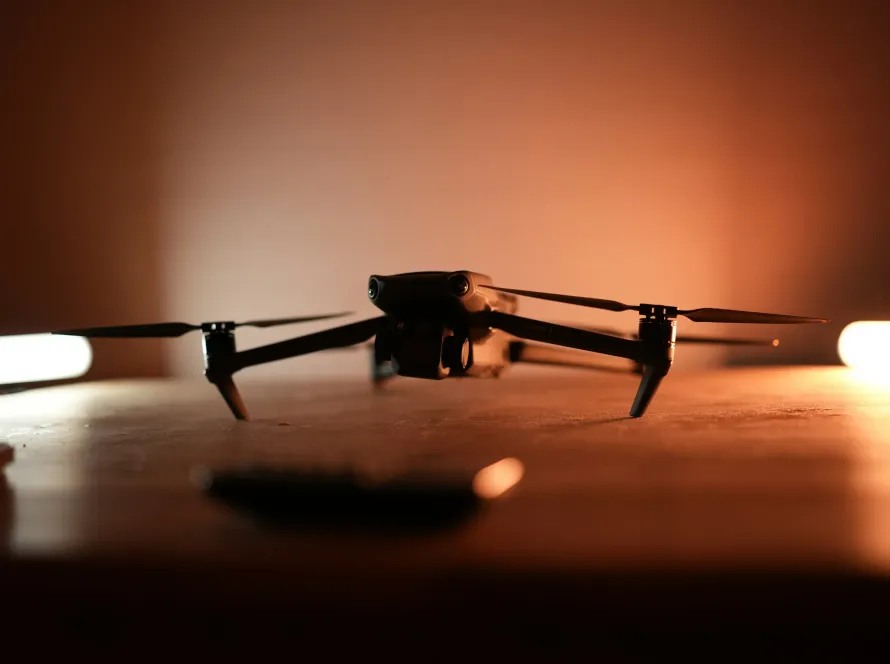
Early drone cameras from the past decade captured amazing aerial perspectives but suffered from low dynamic range, high compression, and visible sensor jitter. Using the Stabilization and Motion De-blur models in Topaz Video AI, editors can smooth out erratic flight movements and sharpen soft details. The software successfully removes rolling shutter artifacts and restores fine textures in desert sands or ancient ruins, giving older aerial clips a modern, high-production aesthetic that matches footage shot on today’s advanced drone gimbals. This enables the reuse of historical aerial footage in modern productions.
Topaz Video AI 2026 Processing Models Comparison
| AI Model Name | Primary Processing Function | Best Archival Use Case |
|---|---|---|
| Proteus Fine Tune | Customizable detail recovery & de-noise | Adjusting specific low-quality digitizations |
| Gaia High Definition | High-quality upscaling to 4K/8K | Converting clean SD/HD sources to ultra-res |
| Theia Detail Enhancement | Sharpness and clarity optimization | Fixing out-of-focus archival lens captures |
Enhancing Jordanian Archives with Loyalty Drones
At Loyalty Drones, we integrate Topaz Video AI 2026 into our post-production pipeline to help Jordanian cultural institutions, tourism boards, and media houses restore their legacy archives. Whether enhancing early aerial surveys of Amman or vintage documentary footage of Wadi Rum, our team combines local production experience with cutting-edge AI processing to preserve Jordan’s heritage. We handle the entire digitizing and processing workflow, ensuring that degraded analog formats and early digital tape formats are converted into crisp, high-resolution digital master files suitable for broadcasting on regional networks.
Partner with Loyalty Drones
Restore your historical media assets to modern broadcast standards. Contact the video production experts at Loyalty Drones today.