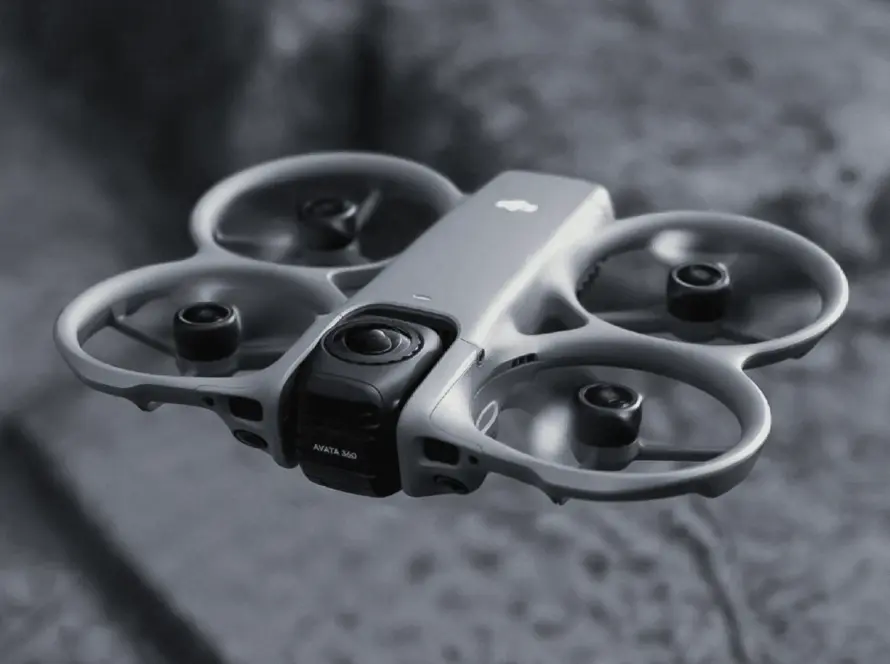
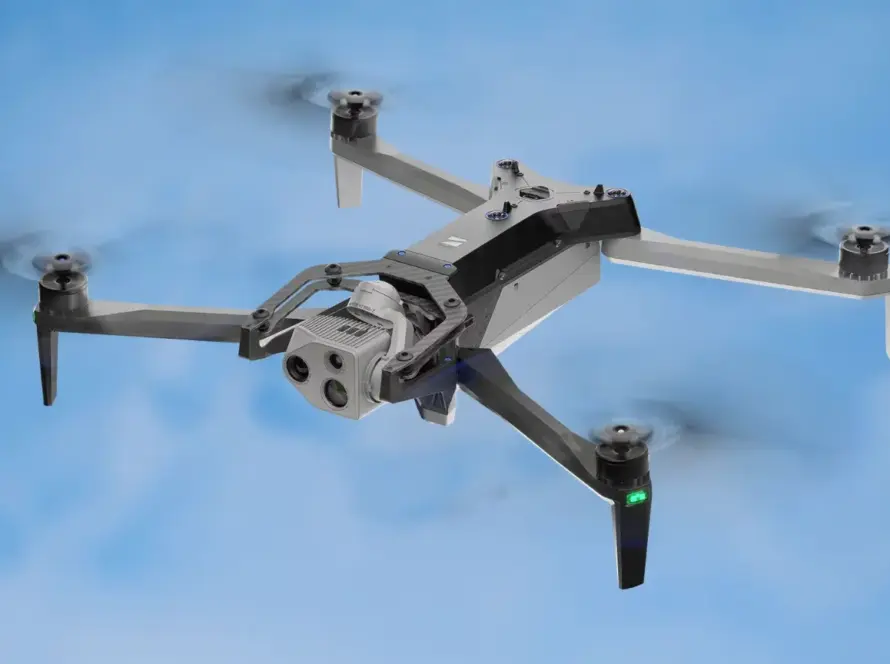
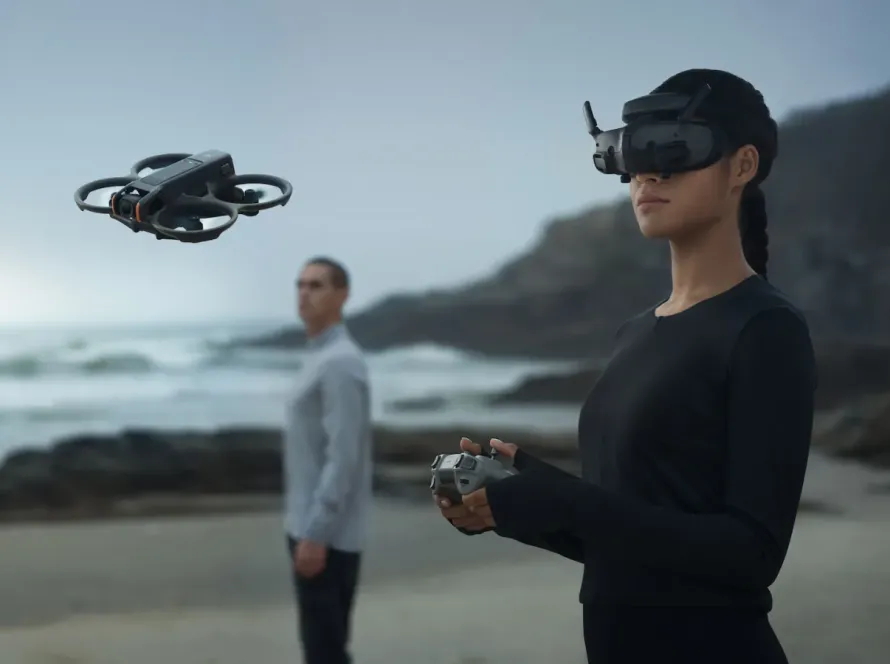
Wind turbines operate in harsh environmental conditions, exposing their massive blades to extreme stress, lightning strikes, and leading-edge erosion. Inspecting these blades for structural cracks and internal damage is critical to prevent catastrophic failures. Traditional inspection methods involve manual climbing ropes or ground-based cameras, both of which are slow and hazardous. Wind turbine autonomous auditing using AI-equipped drones has revolutionized the green energy sector, delivering fast, safe, and precise blade evaluations.
Quick Summary & Direct Answer
Wind turbine autonomous auditing utilizes drones programmed with precise flight algorithms to scan turbine blades automatically from all angles. Onboard cameras capture high-resolution thermal and visual imagery, which AI diagnostic software analyzes to detect structural faults like cracks and internal delamination, reducing inspection times by 70%.
Autonomous Flight Execution and Blade Path Planning
Manual drone flight near moving wind turbine blades is highly risky due to strong wind turbulence and electromagnetic interference. Autonomous auditing systems solve this by using pre-programmed flight path planning. Once the turbine is stopped and locked in a specific position, the drone ascends and uses laser distance sensors (LiDAR) and optical tracking to maintain a constant distance of three to five meters from the blade surface. It automatically flies along the front, back, and sides of each blade, capturing overlapping high-resolution images for thorough inspection.
AI Defect Detection: Spotting Internal Delamination and Stress Cracks
The true power of autonomous auditing lies in the AI-driven data analysis. Once the images are captured, machine learning algorithms scan the photos to identify and classify anomalies such as surface cracks, rust, paint erosion, and subsurface delamination (internal air pockets). These issues are categorized by severity and plotted onto a 3D model of the blade. This enables maintenance managers to prioritize repairs, prevent blade failures, and schedule targeted maintenance before minor defects lead to catastrophic mechanical breakdowns, optimizing long-term performance.
Wind Turbine Blade Defect Classification and Inspection Technology
| Defect Classification | Visual Sign / Indicator | Drone Sensor Configured |
|---|---|---|
| Leading-Edge Erosion | Rough surface textures and paint peeling on blade tip | High-Resolution Visual Payload (45MP+) |
| Internal Delamination | Subsurface air pockets and structural weakness | Radiometric Thermal Sensor (captures solar heating differences) |
| Structural Stress Cracks | Deep hairline cracks extending from the root or tip | High-Zoom Optical Inspection Payload |
Supporting Green Energy Infrastructure in Jordan
Jordan is a regional leader in renewable energy, hosting major wind farms in Tafilah, Ma’an, and Shoubak that supply clean electricity to the national grid. Maintaining these turbines at peak efficiency is critical. Loyalty Drones provides specialized autonomous wind turbine auditing services across Jordan. Operating under CARC clearance and in coordination with plant engineers, we deliver comprehensive blade inspection reports that help wind farm operators maximize energy output, reduce downtime, and protect their massive capital investments from premature degradation.
Partner with Loyalty Drones
Maximize the efficiency and lifespan of your wind energy assets. Contact Loyalty Drones to schedule an autonomous turbine audit.